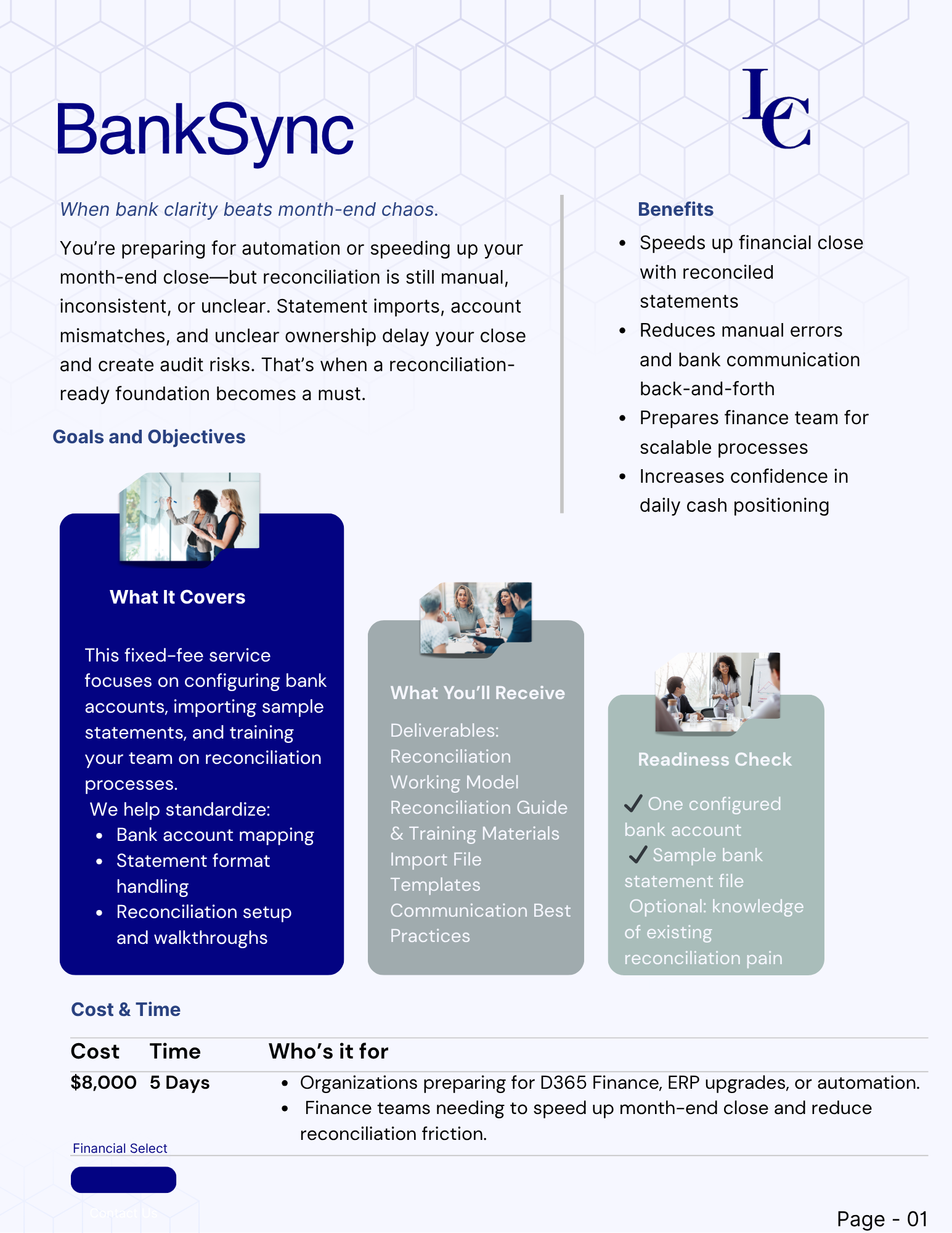






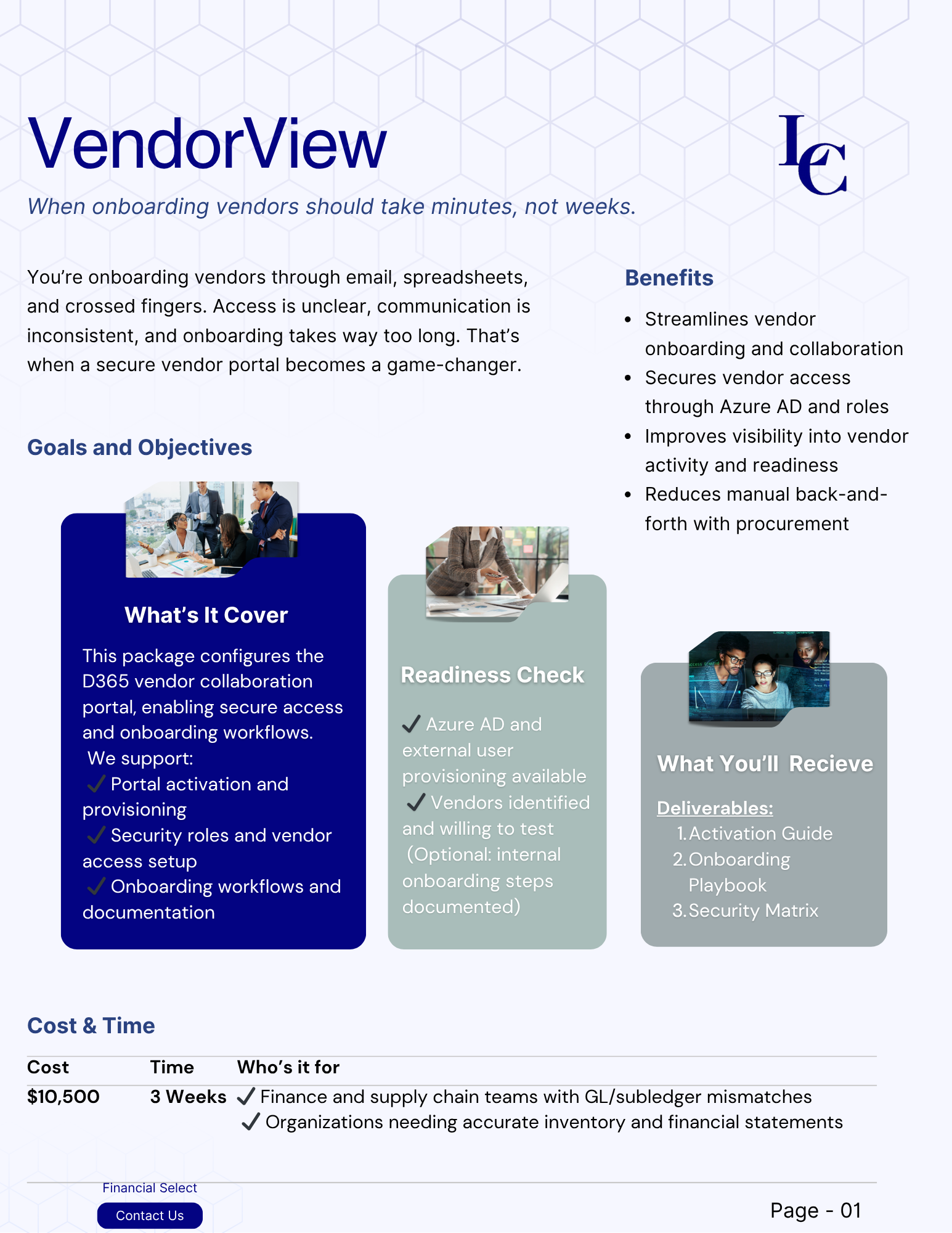


Reviews and corrects ledger-to-subledger alignment in D365 by fixing posting configurations, inventory profiles, reconciliation logic, GL mapping, and critical reporting procedures.
From Spend to Close: Building a Continuous, AI-Ready Finance Process in NetSuite
Posted on: October 29, 2026 | By: Jackson Morris | NetSuite
For many finance teams, month-end is less about closing the books and more about chasing missing information. Card transactions arrive late, receipts go missing, and expenses land in the wrong accounts. Even a well-automated NetSuite financial close slows down when the data feeding it is incomplete or inconsistent.
The answer is not more work at month-end. It is better data at the moment money is spent. When spend is captured, categorized, and recorded as it happens, the close becomes a final review instead of a cleanup project. In this blog, we explain how finance leaders can build a continuous process from spend to close and how NetSuite’s AI capabilities support it.

Why the Close Starts at the Point of Spend
Most close delays trace back to the beginning of the process, not the end. When employees submit expenses weeks after a purchase, or vendor bills sit in inboxes before anyone enters them, accountants spend the last days of the month gathering and correcting data instead of reviewing it.
Each late or incomplete transaction creates more work. Someone has to find the receipt, confirm the coding, assign the right department or subsidiary, and post an accrual if the bill has not arrived. Across hundreds of transactions, the financial close process stretches far beyond what leadership expects.
Capturing data at the point of spend changes this. When details are recorded correctly at the time of purchase, there is far less to fix later.
What a Continuous Finance Process Looks Like
In a continuous model, spend flows into NetSuite as it happens rather than in batches at month-end. Card transactions, employee expenses, and vendor bills are recorded with the correct accounts, departments, and classes from the start, and journal entries post throughout the period.
This spreads the accounting workload across the month. Reconciliations happen daily or weekly, exceptions are handled while they are still fresh, and the general ledger stays close to current. Pairing this with AP automation in NetSuite helps vendor bills move from capture to approval to payment without manual handoffs.
The result is a set of books that is nearly closed before the period ends.
How AI Supports the Close in NetSuite
NetSuite has been building AI directly into its close tools. The Intelligent Close Manager gives finance teams one view of close progress, with AI insights that point out errors, trends, and tasks that need attention. Bank transaction matching uses generative AI to improve automatic matches and reduce manual reconciliation work.
These tools depend on the data beneath them. AI can flag an unusual balance or suggest a match, but only when transactions are complete and coded consistently. Clean, timely spend data is what allows these features to work with less human effort.
NetSuite continues to invest in agents and workspaces aimed at a more autonomous close. Organizations that build strong data habits now will be better positioned as these capabilities mature.
Controls That Work Before Spend Happens
Traditional controls often catch problems after the fact, during review or audit. A stronger approach enforces policy before money leaves the business. Approval workflows, spending limits, and required fields can stop out-of-policy or incomplete transactions before they reach the ledger.
NetSuite also helps identify risk as transactions occur. Exception management can flag changes to sensitive vendor information close to payment dates, helping teams spot potential fraud. Finance teams can also build saved searches that monitor for unusual activity throughout the month.
Preventive controls reduce corrections at close and give auditors a clearer record of how each transaction was approved.
Considerations for Multi-Entity and Global Teams
Organizations with multiple subsidiaries face added complexity. Spend must land in the correct entity, currency, and intercompany account, and each error grows during consolidation. When spend data enters NetSuite with subsidiary and currency details already attached, consolidation becomes far more manageable.
NetSuite supports multiple subsidiaries, currencies, and intercompany eliminations in one system. Recent updates also let users drill down from elimination entries to their source transactions, which speeds up investigation during close management.
For global teams, consistency matters most. Standard account mappings, shared policies, and a single system of record help every entity close on the same timeline.
A Framework for Evaluating Your Finance Stack
Before adding new tools, finance leaders should review how spend moves through their current environment. These questions can guide that review:
- Where does spend data enter NetSuite, and how long does it take to arrive?
- How many transactions need manual coding or correction at month-end?
- Are policy controls enforced before a purchase or only during review?
- Can each subsidiary’s spend be traced cleanly through consolidation?
- Is the data clean enough to support AI-driven close tools?
The answers often show where the close is losing time. In many cases, the biggest gains come from fixing data quality and integration before adding more automation. Our AI readiness guide offers practical steps for preparing NetSuite data.
Next Steps
A faster close starts long before month-end. By capturing spend accurately, enforcing controls early, and preparing data for AI, finance teams can turn the close into a continuous process. As an Oracle NetSuite Alliance Partner, Logan Consulting helps CFOs and controllers evaluate their finance processes, strengthen controls, and get more from NetSuite’s close capabilities. Contact Logan Consulting today to start building a faster, more reliable close.