







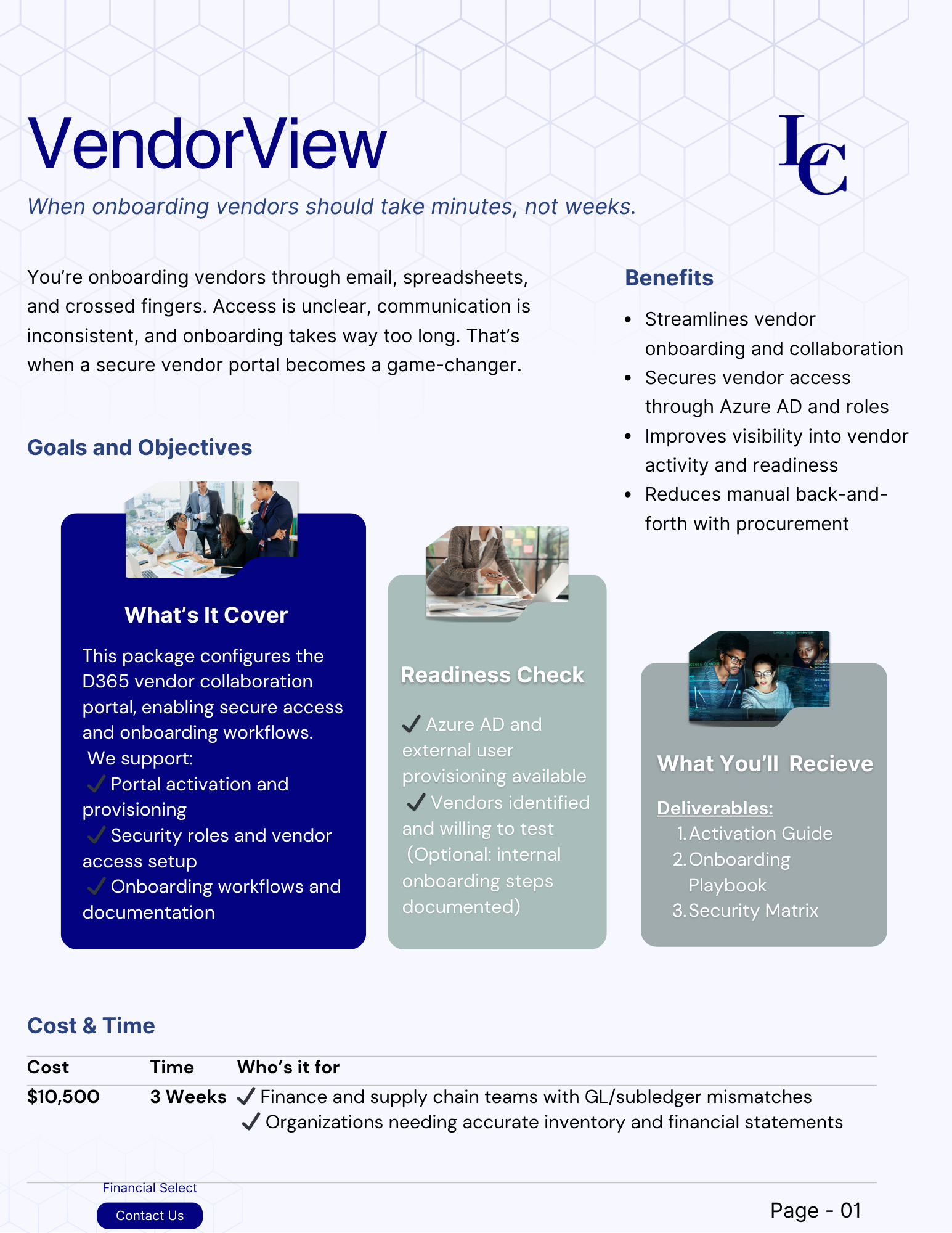


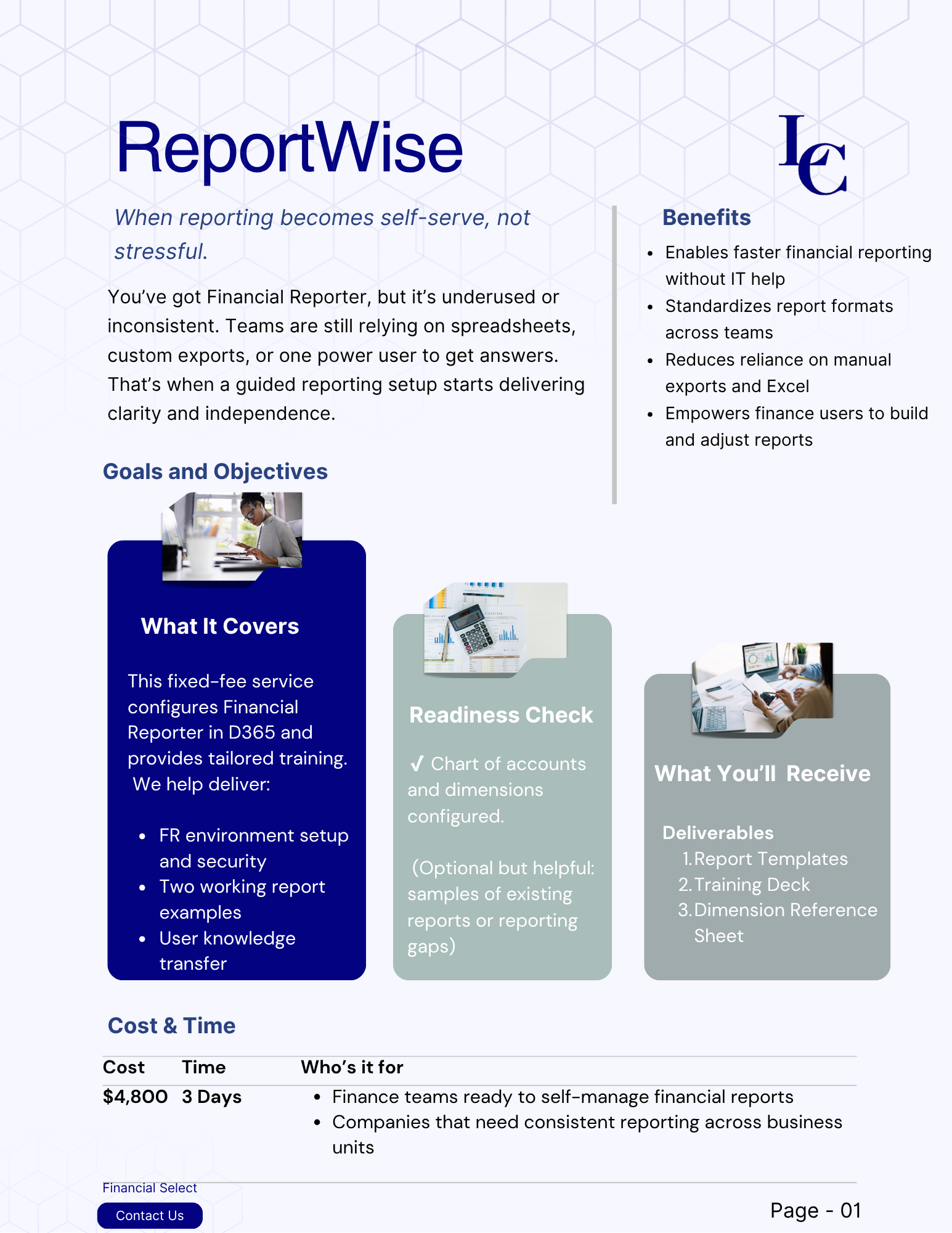
Reviews and corrects ledger-to-subledger alignment in D365 by fixing posting configurations, inventory profiles, reconciliation logic, GL mapping, and critical reporting procedures.
End-to-End AP Automation in NetSuite: From Invoice Capture to Payment
Posted on: October 15, 2026 | By: Jackson Morris | NetSuite
Accounts payable teams are often asked to process more invoices, more vendors, and more payment types without adding headcount. Even organizations that consider their AP process automated usually still have manual steps scattered throughout it, such as keying in invoice details, chasing approvers, logging into a separate banking portal, or matching payments to bank activity at month end. Each handoff adds time and creates another opportunity for error.
NetSuite addresses these gaps by connecting the full AP cycle inside one system. Bill Capture reduces manual entry at the front of the process, while Intelligent Payment Automation carries automation past approval into payment and reconciliation. Together, they give finance leaders a clearer, more controlled path from invoice receipt to a closed period.
Where Manual Work Hides in AP
Most AP slowdowns are not caused by one large problem. They come from small tasks that repeat hundreds of times a month. An invoice arrives by email, someone downloads it, types the vendor, amount, and line details into the ERP, and then forwards it for review.
Approval is often treated as the finish line for automation, but the work continues after that. Payments may be prepared in a bank portal, statuses are tracked in spreadsheets, and the accounting team has to tie everything back to the general ledger. When these steps live in different tools, visibility suffers and controls become harder to enforce. As we explored in Forward Deployed Consulting, understanding the process underneath the software is what turns new capabilities into measurable results.
Capturing Invoices with NetSuite Bill Capture
NetSuite Bill Capture changes how invoices enter the system. Vendors or employees can email invoices directly into NetSuite or drag and drop files, and the solution uses optical character recognition and machine learning to read each document and populate the vendor bill.
Because it learns from prior bill entries, accuracy can improve over time. Bill Capture can also match invoices to open purchase orders awaiting billing and supports partial billing, which keeps purchasing and AP aligned. Reviewers can view the original file side by side with the created bill, making it easier to confirm details before posting.
Results depend heavily on clean vendor records, which is why data quality was a recurring theme at SuiteConnect Chicago 2026. Organizations that standardize vendor information before turning on capture tend to see the strongest results.
Keeping Approvals on Track
Once a bill is created, it can be routed to the right reviewer using SuiteApprovals. Approval rules can reflect your organization’s dollar thresholds, departments, or subsidiaries, so invoices reach the correct person without manual forwarding.
Clear approval workflows also strengthen internal controls. Every action is recorded in NetSuite, giving controllers and auditors a reliable trail of who reviewed and approved each transaction. If approval logic was never configured properly during implementation, an assessment such as Logan SuiteSave can identify the gaps before automation is layered on top.
Extending Automation to Payments and Reconciliation
NetSuite Intelligent Payment Automation, powered by BILL, lets teams pay vendors directly from NetSuite instead of switching to a separate platform. Finance teams can submit single payments or batch payment runs, choose options such as ACH and check, and track payment status in real time.
Recent updates have expanded these capabilities. The NetSuite 2026.1 release added multi-subsidiary payments from a single vendor record, along with payment risk detection that flags changes to key vendor data made close to a payment. This helps teams catch potential fraud before money leaves the business.
Reconciliation benefits as well. Because payments originate in NetSuite, the system of record stays current, and newer bank reconciliation features can suggest matches between bank transactions and open vendor bills, then create and apply the related payment. The result is less cleanup at period end and a faster close.
Scaling AP Across Countries and Currencies
As organizations grow, AP complexity grows with them. New subsidiaries, international suppliers, and different tax and invoicing requirements can quickly overwhelm processes designed for a single entity.
NetSuite continues to extend AP automation to meet those needs. The NetSuite 2026.2 update introduced international payment support, allowing teams to onboard and pay international vendors from the same payment environment, with estimated exchange rates shown before submission. The release also added Payment Runs for preparing and approving multiple payables in one transaction, plus a customizable payables workspace.
The same release brought Ask Oracle to existing customers, giving AP and finance teams a conversational way to check on open bills and payment status. More enhancements are expected as NetSuite Next rolls out, and Logan Consulting will be following those developments closely at SuiteWorld 2026. Organizations that establish consistent approval rules and clean vendor data now will be best positioned to adopt what comes next.
Next Steps
Connecting capture, approval, payment, and reconciliation can turn AP from a manual, fragmented process into a controlled and efficient workflow. As an Oracle NetSuite Alliance Partner, Logan Consulting helps finance and AP teams evaluate, configure, and optimize NetSuite’s AP automation tools around the way they actually work. If you’re ready to reduce manual effort across your payables process, contact Logan Consulting today to start building a more efficient end-to-end AP workflow.