QAD offers a wide array of software modules, but which modules are right for your business? Within specific modules, which functionality is optimal for your business? How can your business best leverage and optimize the QAD software along with best business practices, processes and procedures to optimize your competitiveness?
Another key element to QAD optimization is data. The value of your QAD ERP is only as good as the data within it. Logan Consulting supports optimization efforts to a) get the data clean and b) keep the data clean. Getting the data clean involves analyzing and scrubbing the data, including but not limited to customer data, inventory data, vendor data and manufacturing BOMS and routings. Keeping the data clean means implementing best practice processes and procedures that ensure ongoing, continuous data integrity.
Whether your company is a new QAD user, a prospective QAD user or a fully implemented QAD user, Logan Consulting can help you optimize how you are using your QAD system to maximize the value to your organization.
QAD Optimization Examples:
Optimize inventory levels vs. customer service levels
Optimize production and productions scheduling Streamline your production processes
Optimize pricing, timing and logistics within your supplier-side supply chain
Optimize pricing on your customer-side supply chain
Improve the efficiency of distribution inventory levels, locations and logistics
Improve your processes for qualifying and certifying suppliers and customers
Integrate and optimize how your QAD system works with other software systems and processes within your business and with your supply chain
10 Profit Decisions Manufacturers Are Making Blind
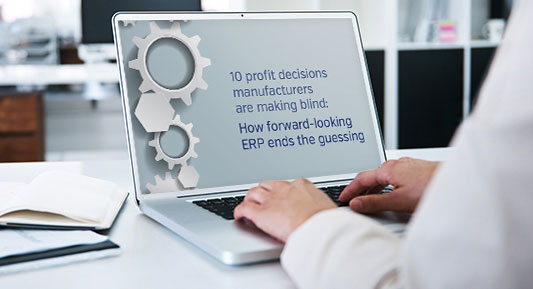 |
Free Download:10 Profit Decisions Manufacturers Are Making Blind |