Good questions.Clear answers.
Straightforward answers about ERP, CRM, AI, and working with Logan. Find the clarity you need to take the next step.
Your business comes first. The technology follows.
What would you like to know?
From the first conversation to what comes after go-live. Start with the question on your mind.
Try “Business Central”, “support”, “migration”, or “AI”.
24 answers · All topics
No answers matched that search.
Try a broader term, explore all topics, or ask our team directly.
Working with Logan
Who we help, what we do, and where an engagement can start.
What does Logan Consulting help businesses do?
We help organizations select, implement, improve, and support ERP and CRM systems. Our work also includes business process design, technology strategy, project leadership, change management, and practical AI services.
The starting point is the business problem: what needs to work better, who it affects, and what a useful result would look like.
What kinds of organizations do you work with?
Our experience includes manufacturing, distribution, financial services, professional services, and nonprofit organizations. We work with teams whose financial and operational processes depend on reliable business systems.
The right fit depends on your operating complexity, priorities, platform, and internal capabilities.
Which ERP and CRM platforms does Logan support?
Our teams work across Microsoft Dynamics, QAD, Acumatica, NetSuite, and SAP. Within Microsoft Dynamics, our services include Finance, Supply Chain Management, Business Central, CRM, and legacy AX, GP, and NAV environments.
We can help identify the relevant specialists for your platform and business need.
Explore Microsoft Dynamics servicesCan we engage Logan for a specific issue or smaller project?
Yes. An engagement can focus on a defined need such as reporting, training, a process assessment, or a targeted system improvement. The scope should be sized to the problem.
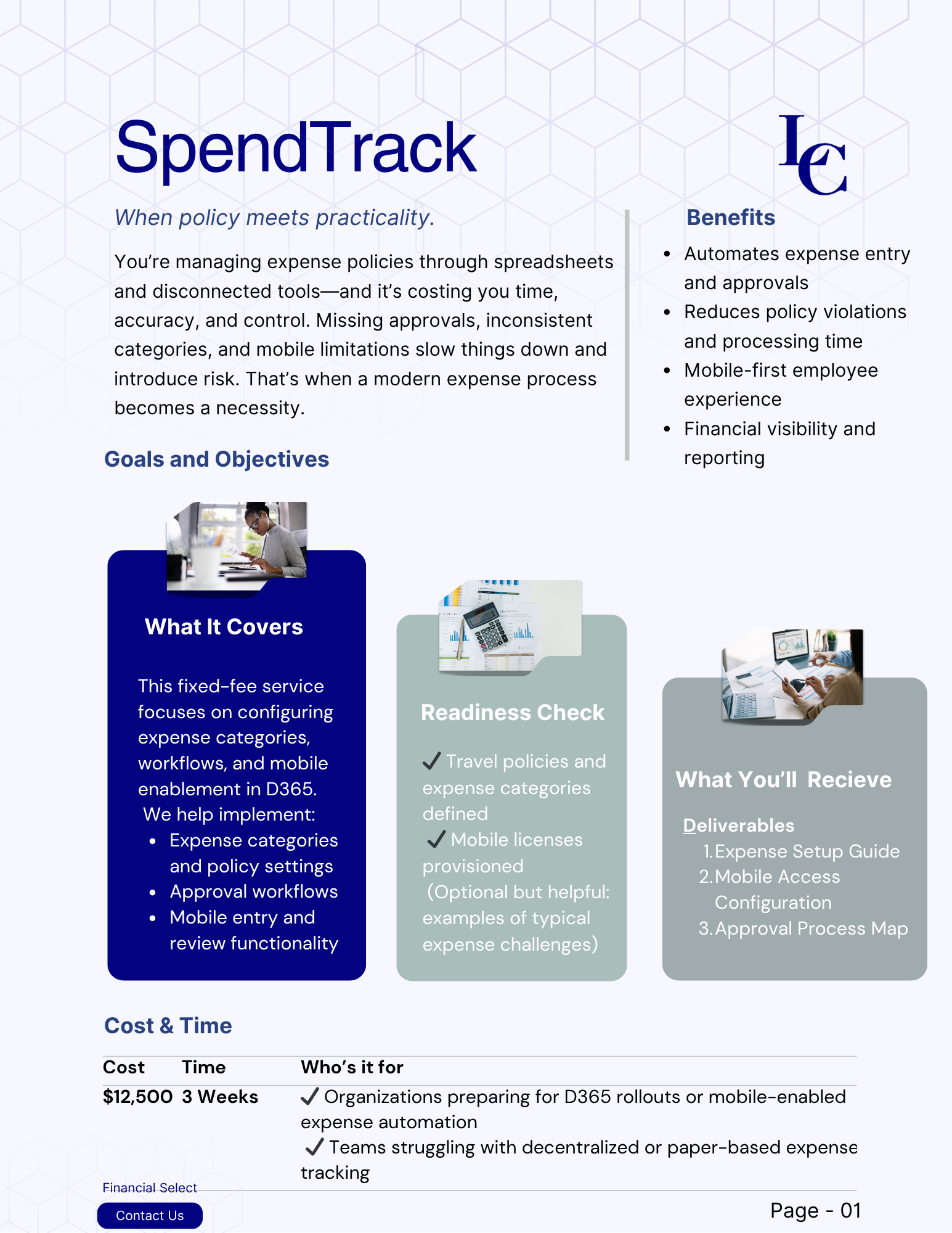
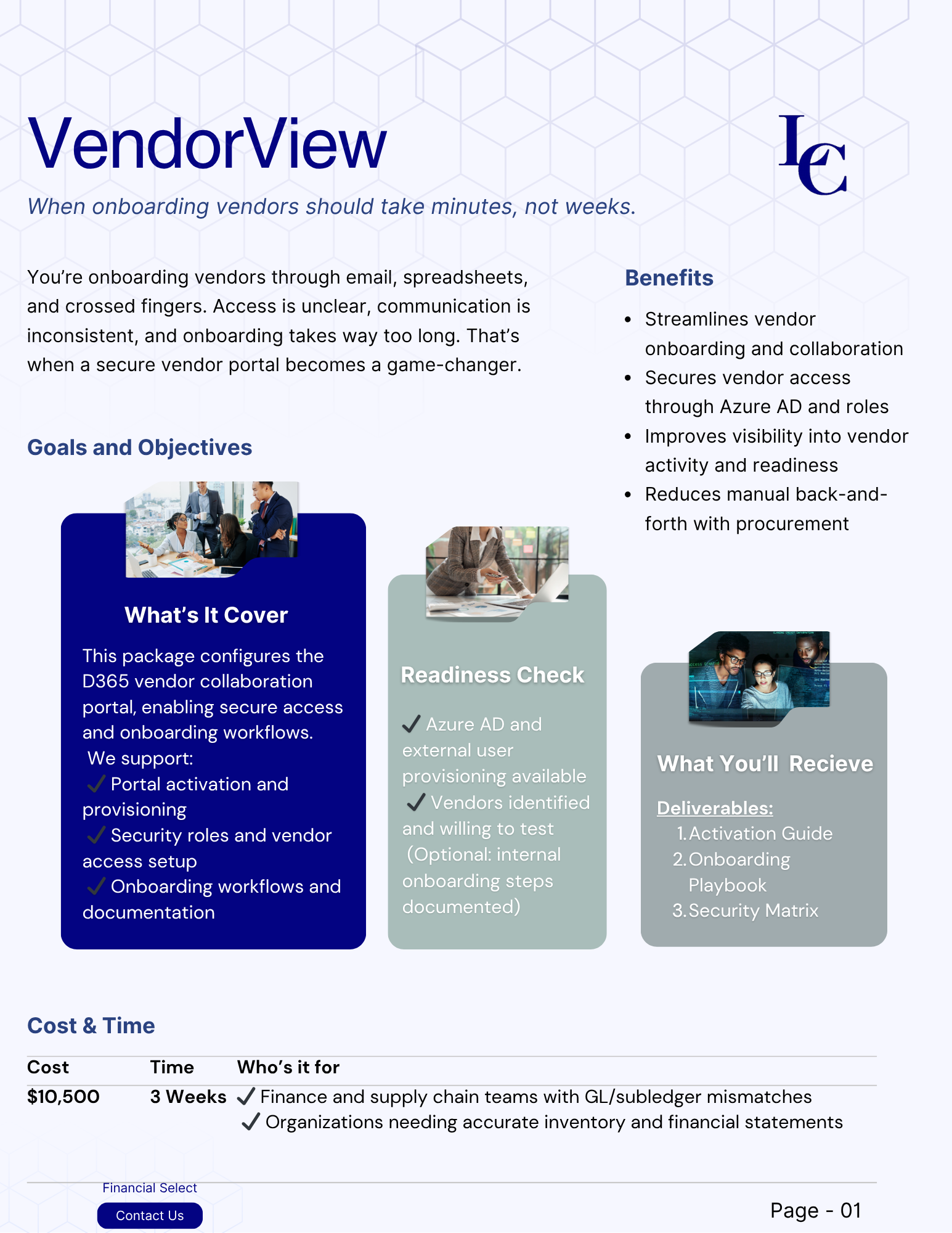
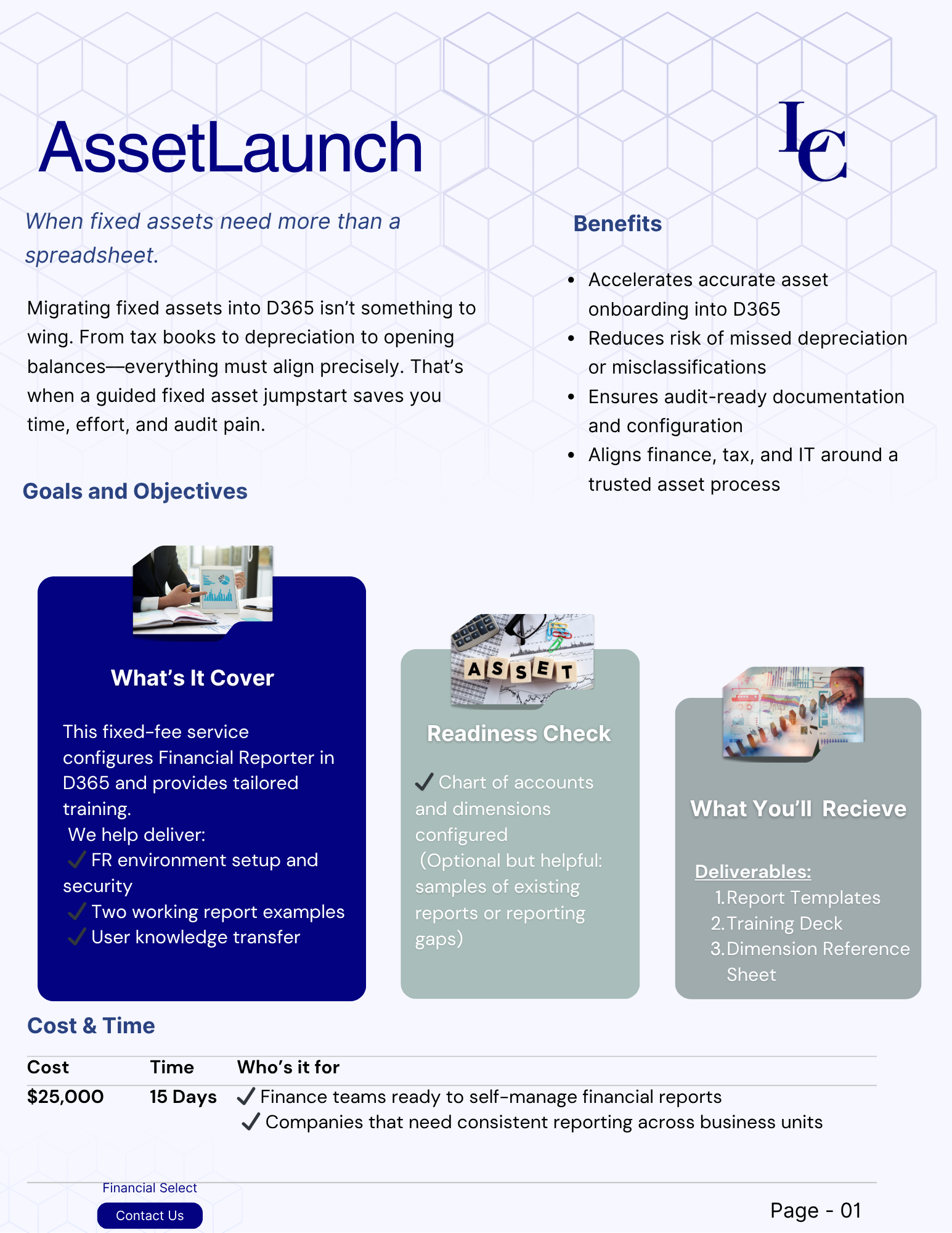
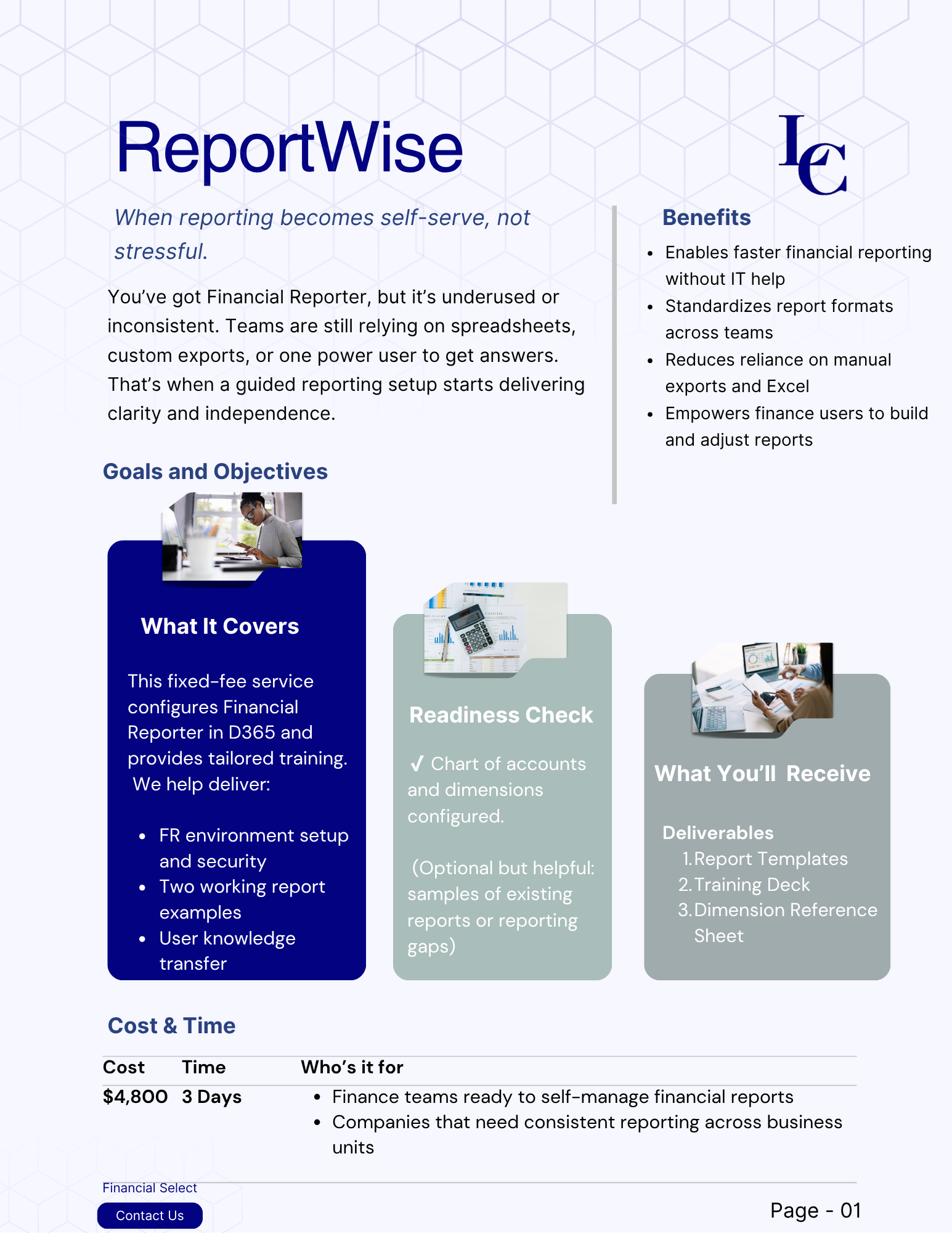
For certain Dynamics 365 needs, Logan LaunchPad also offers prepackaged services with defined deliverables and readiness assumptions.
Choosing a solution
Make the technology decision around how your business needs to operate.
Can Logan help us choose the right ERP?
Yes. We help teams evaluate options against their business needs and priorities. Begin with the processes, information, and decisions the system must support.
A useful comparison also considers implementation effort, integrations, user adoption, growth plans, and ongoing ownership costs alongside product features.
How do we choose between Business Central and Finance & Supply Chain Management?
The distinction is about operating requirements. F&SCM often fits greater manufacturing, warehousing, financial, and international complexity. Business Central can suit a broad range of growing organizations.
Compare both against your actual processes, architecture, growth plans, and total ownership cost. Revenue alone should not make the decision.
Explore Finance & Supply Chain ManagementShould we improve our current system or replace it?
Start by separating software limitations from process, configuration, data, and adoption problems. A current-state assessment can clarify what is worth retaining and what needs to change.
That evidence helps compare targeted improvements with a broader modernization plan, including the effort and disruption each path would require.
What is the difference between ERP and CRM?
ERP typically manages the financial and operational core, including accounting, inventory, purchasing, and fulfillment. CRM organizes customer relationships, sales activity, and pipeline information.
Many organizations need both. The important design question is how customer, order, and financial information should move between them, with clear ownership for shared data.
Explore Dynamics CRM servicesImplementation & migration
Understand the work, the decisions, and the people behind a successful rollout.
What happens at the beginning of an implementation?
Scoping and planning establish business outcomes, processes, responsibilities, constraints, and a proposed roadmap. Those decisions inform the design, resource plan, data work, and testing approach.
This gives both teams a shared basis for estimating the work and deciding what belongs in the first release.
How long does an ERP implementation take?
Timing depends on scope, entities, data, integrations, operational complexity, and your team's availability. Readiness for testing and adoption also matters.
We develop the roadmap after assessing those factors so the schedule reflects the work your organization needs and the decisions it must make.
Can you help us move from Dynamics AX, GP, or NAV?
Yes. Logan works with these legacy Dynamics environments and can help assess a path to a modern platform. Start with your business requirements, current system, data, integrations, and customizations.
The assessment should establish which capabilities to retain, which modern features may replace older modifications, and how to prepare the business for the transition.
Review our Dynamics capabilitiesWhat role does our team play, and how do you approach training?
Your process owners provide the business knowledge behind design decisions and help validate that the solution supports real work. Plan time for data preparation, testing, and adoption.
Logan emphasizes knowledge transfer so your team can build the skills and confidence to operate and improve the system.
Read about the Logan approachSupport & project recovery
Get help with today's issues and establish a practical path forward.
Can Logan support us after go-live?
Yes. Support can address everyday application issues, system health, smaller improvement projects, and ongoing optimization. The support model is agreed around your environment and needs.
For Dynamics 365 Finance, Supply Chain Management, and AX, the Logan Solution Center provides a dedicated route for support and related requests.
Explore the Logan Solution CenterCan we talk with Logan if another partner implemented our system?
Yes. A conversation can begin with your current concerns and an assessment of the work already completed. Useful configuration, data work, and team knowledge should be evaluated on their merits.
Any transition should clarify access, documentation, responsibilities, and open issues before a new delivery or support arrangement begins.
Can you help recover a troubled Dynamics 365 project?
Yes. Rescue D365 assesses the design, governance, data, integrations, testing, and adoption behind a struggling project. The aim is to establish what can be preserved, what needs repair, and what can wait.
That assessment informs a controlled recovery plan with priorities, ownership, and evidence for readiness decisions.
Explore Rescue D365Can Logan work alongside our internal IT and business teams?
Yes. We can define an engagement around the help your team needs and the responsibilities it already owns. Knowledge transfer is part of Logan's approach.
For support, we can also discuss working through your existing ticketing system. Agreeing ownership and escalation paths makes the working relationship clearer.
AI, data & integration
Connect practical use cases to reliable data, clear controls, and measurable value.
Can we use AI without replacing our ERP?
Potentially. The answer depends on the use case, available data, and integration options. LoganAI can assess assistants, document processing, workflow automation, and analytics around your existing business environment.
Start with a defined task and a measurable outcome, then determine what data, architecture, and operating controls the solution needs.
Explore LoganAI servicesHow do you approach data permissions and human oversight for AI?
We define access, data boundaries, ownership, evaluation, and operating controls around each use case. Permission-aware access and human approval for consequential actions are central to that design.
The goal is useful automation with clear accountability, including monitoring, escalation, and a way for people to review or correct results.
Read about AI data readiness and governanceCan you connect our ERP with other business systems?
Yes. Logan's work includes connections to systems such as EDI, banking, commerce, plant applications, and reporting tools. Power Platform and Azure can also form part of a Microsoft integration architecture.
The design should address ownership, permissions, error handling, and maintainability as well as the initial data connection.
Can you help with reporting and unreliable business data?
Yes. Reporting, analytics, data readiness, and governance can be addressed as focused improvements or part of a wider engagement.
Begin with the decision the report must support, the data it relies on, and who owns that data. Better dashboards are more useful when definitions, quality, and responsibilities are clear.
Pricing & next steps
Understand what shapes an estimate and what to bring to the first conversation.
What determines the cost of a consulting project?
Scope and the delivery plan drive the estimate. Important inputs include processes, entities, integrations, reporting, data migration, training, and the responsibilities shared between your team and Logan.
Discovery helps turn those inputs into a proposed scope and cost. Specific fees, assumptions, and commercial terms belong in the agreed proposal.
Do you offer packaged services as well as broader projects?
Yes. Logan LaunchPad provides focused Dynamics 365 offerings with defined outcomes, deliverables, and readiness assumptions. Those packages can be a useful starting point for a specific business need.
Broader or different work needs its own scope and commercial terms. Confirm that an offering's assumptions match your environment before using it to plan a budget.
Explore Logan LaunchPadCould Microsoft programs help with a migration or modernization project?
Some eligible projects may qualify for customer licensing offers, migration assistance, or other support. Availability depends on the program, customer, workload, partner eligibility, and timing. Those details need to be verified for your project.
Customer benefits and incentives paid to partners are different. A partner incentive is not automatically a customer discount; any confirmed customer benefit should be identified separately from consulting fees.
What should we bring to an initial conversation?
Start with your current systems, the business problem you want to solve, and any important deadlines. A short explanation of what is slowing the team down is enough to begin.
If you have them, bring a process example, existing project scope, or list of open issues. We can use that context to discuss appropriate next steps.
Start a conversationSome questions deserve a conversation.
Bring us the challenge, the ambition, or the question you have not quite figured out. We will start there.