


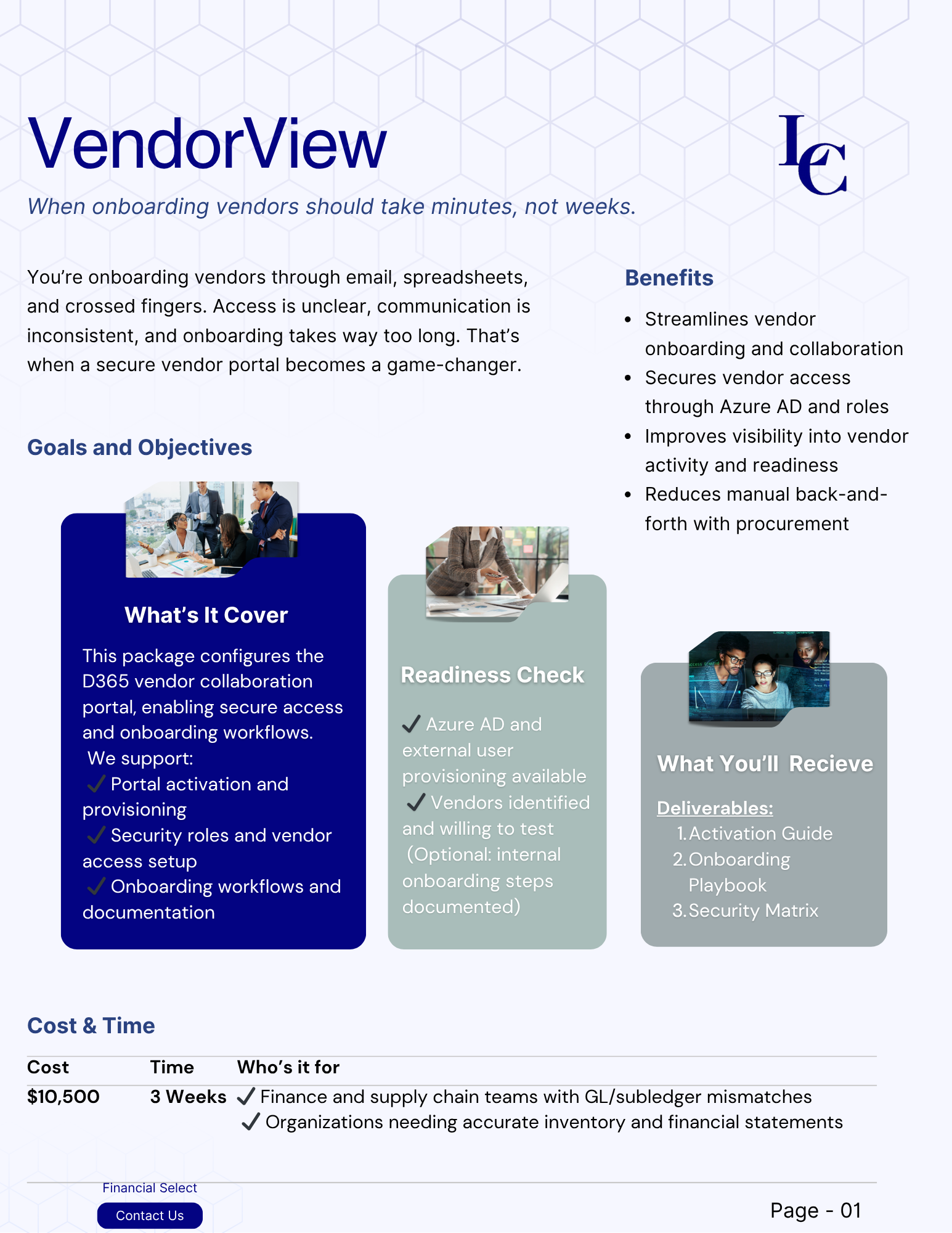


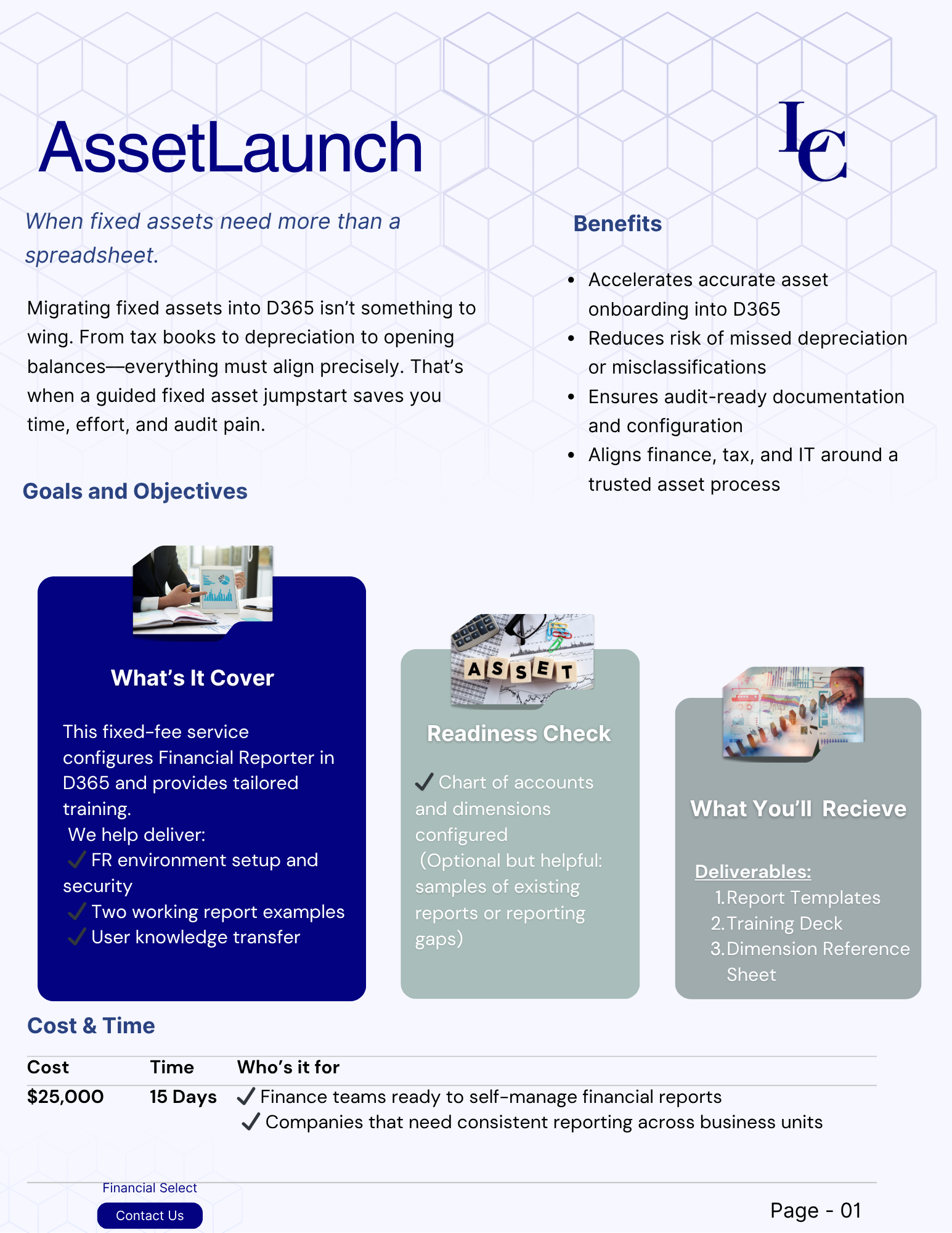
Reviews and corrects ledger-to-subledger alignment in D365 by fixing posting configurations, inventory profiles, reconciliation logic, GL mapping, and critical reporting procedures.
Put AI to Work in NetSuite: Practical Use Cases to Accelerate Business Impact
Posted on: October 1, 2026 | By: Jackson Morris | NetSuite
Many organizations running NetSuite know AI is now part of the platform, but few have a clear plan for using it. Features get turned on without a defined purpose, teams are unsure which capabilities apply to their roles, and leadership struggles to connect AI activity to measurable results.
That gap matters because the value of embedded AI depends on the system underneath it. Clean data, well-designed processes, and clear ownership determine whether AI produces reliable insights or simply adds noise. Organizations that pair AI adoption with a structured review of their NetSuite environment are better positioned to see real returns.

What AI Looks Like Inside NetSuite Today
NetSuite’s AI capabilities are built into the system rather than added through separate tools. Because they work from the same unified data that runs finance, inventory, and sales, AI features draw on current records and follow the security roles already in place.
The most visible example is Ask Oracle, a conversational assistant that lets users search records, pull reports, and ask questions in plain language. With the 2026.2 release, Ask Oracle became available within the existing NetSuite interface for eligible customers in the United States and Canada, so teams can begin using it before making larger changes.
Predictive Analytics and Smarter Forecasting
Predictive analytics helps finance and operations leaders shift from reviewing what already happened to preparing for what is likely next. Instead of relying on spreadsheets and manual trend analysis, users can identify patterns in revenue, demand, and customer behavior directly within NetSuite.
For subscription businesses, NetSuite now offers a customer health score that flags accounts at risk of canceling within the next 30 or 90 days. That gives account teams time to act rather than discovering churn after the fact.
The quality of these predictions depends on the data behind them. Data readiness was a recurring theme at SuiteConnect Chicago 2026, and inconsistent item records, incomplete customer data, or outdated saved searches can all weaken results.
Agentic Workflows and Process Automation
Agentic workflows go a step beyond traditional automation rules. Rather than following a fixed sequence, AI agents can review information, recommend an action, and complete routine steps while keeping people in control of final approvals.
Practical applications include detecting exceptions in financial data, preparing reconciliations, routing approvals, and summarizing account activity. These are the repetitive tasks that consume hours during close and slow down daily operations.
Organizations can also connect outside AI tools to NetSuite through the AI Connector Service, which lets administrators control exactly what data an AI model can access. This allows businesses to choose the tools that fit today and adjust later without changing their ERP setup.
What NetSuite Next Means for Your Roadmap
NetSuite Next is the platform’s AI-centered experience, bringing conversational intelligence, agentic workflows, and natural language search together in a redesigned interface. The North America rollout began with the 2026.2 release, and administrators can either request a preview account or activate NetSuite Next directly in production.
Moving to NetSuite Next does not require a migration, and existing customizations carry forward. Access can also be enabled by role, allowing organizations to start with a pilot group before expanding.
That flexibility makes planning more important, not less. Deciding which teams go first, which processes to target, and how success will be measured helps the transition deliver value from the start.
Starting with a NetSuite Health Check
A NetSuite health check evaluates how well the system currently supports the business. It reviews configuration, data quality, workflows, reporting, integrations, and user adoption to identify where the environment is working well and where it creates friction.
For AI adoption, the health check serves a specific purpose. It shows which processes are ready for automation, which data needs cleanup, and where customizations or workarounds could interfere with new features. Through NetSuite optimization services, organizations can address those issues before activating AI on top of unreliable foundations.
The result is a prioritized list of improvements tied to business outcomes rather than a general set of recommendations.
Building a Long-Term Optimization Roadmap
AI adoption works best as an ongoing effort rather than a single project. NetSuite releases updates twice a year, and new AI capabilities will continue to arrive. A roadmap gives organizations a structured way to evaluate those features as they become available.
A practical framework starts with a few measurable use cases, such as reducing time spent on invoice processing or shortening the month-end close. From there, organizations can pilot capabilities with a small group, measure results, and expand once value is proven.
Regular reviews keep the roadmap aligned with changing priorities. As the business grows, new departments, entities, or processes may benefit from capabilities that were not relevant at the start.
Next Steps
Embedded AI can help NetSuite customers automate routine work, improve forecasting, and make faster decisions, but results depend on a well-prepared environment and a clear plan. As an Oracle NetSuite Alliance Partner, Logan Consulting helps organizations assess their NetSuite environment, prioritize AI use cases, and build roadmaps for continuous optimization. If you’re ready to get more from NetSuite AI, contact Logan Consulting today to build a plan that fits your business goals.
 Highlights from NetSuite Lunch and Learn and Happy Hour in New York: Strengthening Partnerships and Delivering Value
 Forward Deployed Consulting in the Era of NetSuite Next
 Preparing Your NetSuite Data for Agentic Workflows
 NetSuite SuiteCloud Agent Skills: Building Custom ERP Solutions Faster with AI