





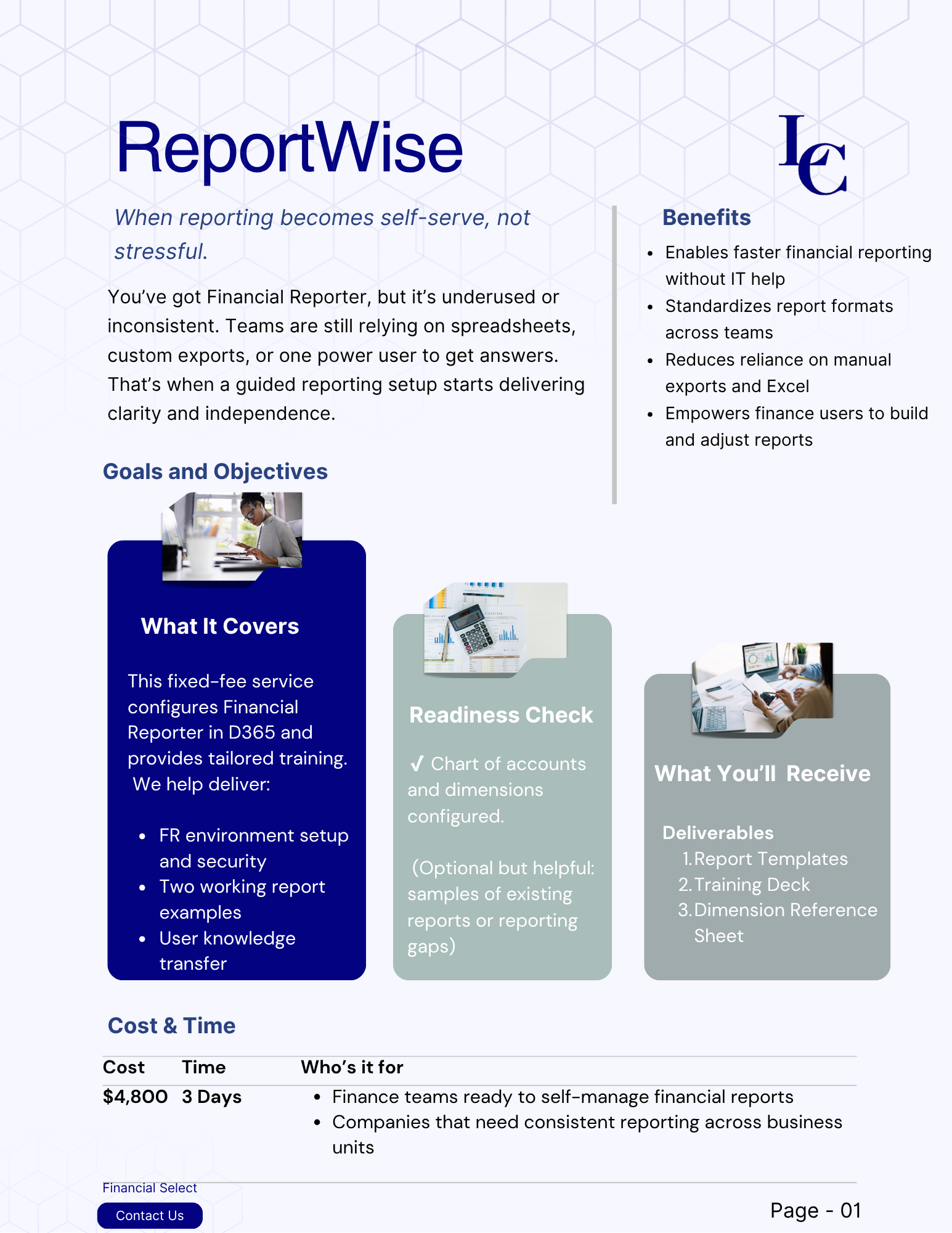
Reviews and corrects ledger-to-subledger alignment in D365 by fixing posting configurations, inventory profiles, reconciliation logic, GL mapping, and critical reporting procedures.
AI in Acumatica: What It Actually Does (Beyond the Buzzwords)
Posted on: September 15, 2026 | By: Jackson Morris | Acumatica
Every ERP vendor talks about AI. Acumatica is one of the few actually delivering it. AI Studio is now generally available, and AI Assistant is rolling out through Acumatica’s Managed Availability program ahead of full availability at the 2026 R2 launch — giving manufacturers, distributors, and project-based businesses genuine AI capability built directly into the system they already run on.
Logan Consulting has spent months testing these tools firsthand in Acumatica’s demo environment. Here is what they mean for your business.
Two Tools, Two Purposes
AI Studio (Agents) handles repeatable tasks automatically. It reads a record, applies your rules, and returns a result — no coding required. Out of the box, it already supports AI-generated CRM summaries, email and activity prioritization, expense receipt scanning, and item description writing. Anything specific to your business can be configured the same way.
AI Assistant (AcuChat) is the conversational layer, built into every screen. Ask a plain-English question — “show our top five customers by revenue” — and receive an immediate answer as text, a table, or a chart ready to add to a dashboard. No report builder, no waiting on IT.
Why This Matters for Your Team
The real advantage is speed and access. A controller no longer needs to submit a request to check overdue purchase orders. A CFO doesn’t wait on a custom report to check cash position. The answer is available the moment it’s needed.
The Clearest ROI Case: Closing the Books Faster
Acumatica has cited Gartner research projecting that a 30% faster financial close is achievable by 2026 for businesses running a cloud ERP with embedded AI. That aligns with how AI Studio’s capabilities are designed to work:
Automated transaction entry — invoices and receipts are read and posted automatically.
Automated bank reconciliation — bank feeds are matched to invoices and ledger entries, with exceptions flagged rather than buried.
Anomaly detection — unusual transactions are caught as they occur, not weeks into close.
The result: your team spends close week reviewing exceptions, not re-entering data.
Built-In Guardrails
The most common question we hear is what happens to company data. Acumatica has built in clear answers, confirmed through the Agent framework itself:
Agents operate within defined boundaries. Each one is scoped to a specific screen and can only act within that scope.
Sensitive fields stay protected. Pricing, account numbers, and similar data can be masked before any AI request is sent.
Every action is logged, consistent with any other transaction in the system.
Usage is tracked and visible, so there are no surprises in cost or consumption.
Where This Is Headed
AI Studio is now a standard part of an Acumatica implementation, not an experimental feature. Anomaly detection has already been extended, as of 2026 R1, to run against any Generic Inquiry rather than a fixed set of built-in reports — giving finance teams a broader, more flexible base to monitor as this capability continues to develop.
The organizations getting the most value are not adding AI as an afterthought. They are building it into the implementation plan from the outset: which data should power AcuChat, which tasks are worth automating, and which guardrails need to be in place first.
Let’s Discuss What This Means for You
If you’re already on Acumatica, AI Studio and AI Assistant are likely a licensing and configuration conversation away, not a development project. If you’re evaluating Acumatica, this is one of the clearest differentiators on the market today: AI that is embedded, governed, and genuinely usable by your team.
Logan Consulting has been hands-on with these tools since before launch. Contact us to discuss what they could mean for your business.
 ERP Rescue for NetSuite Implementations: Getting Back on Track
 NetSuite SuiteConnect Chicago 2026: Connect, Learn, and Lead With ERP Innovation
 Highlights from NetSuite Lunch and Learn and Happy Hour in New York: Strengthening Partnerships and Delivering Value
 Extending Your Functionality with the NetSuite SuiteApp Marketplace