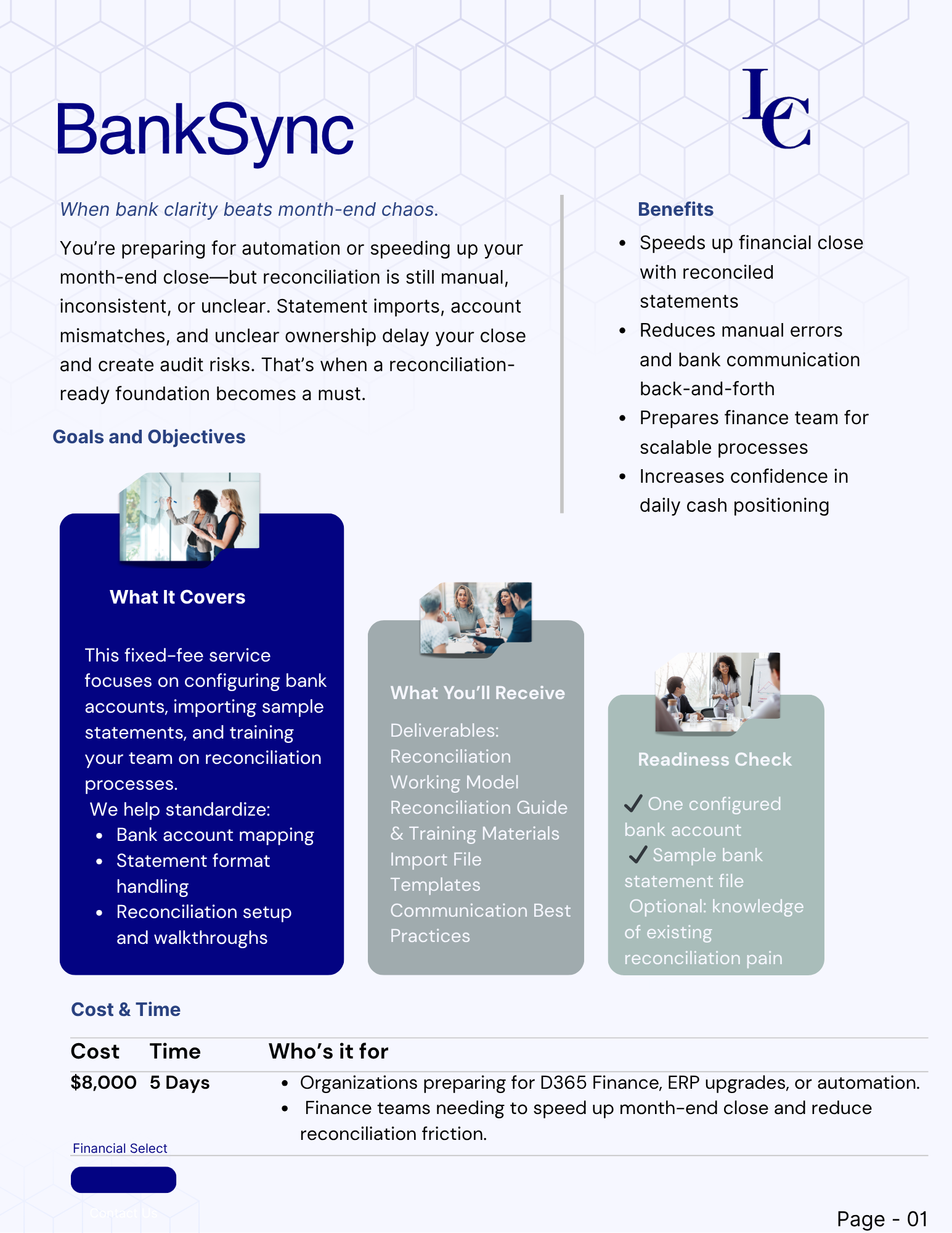




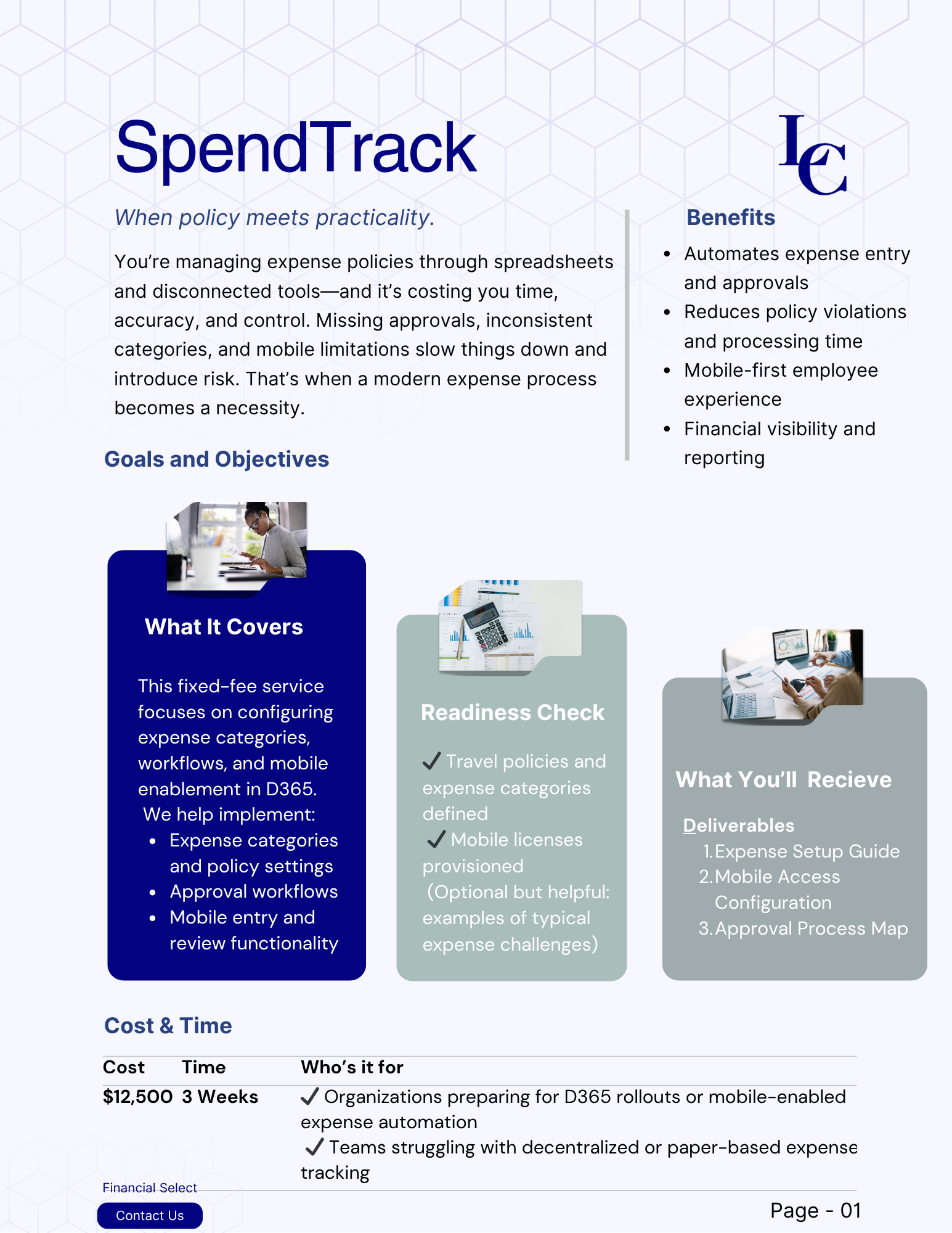


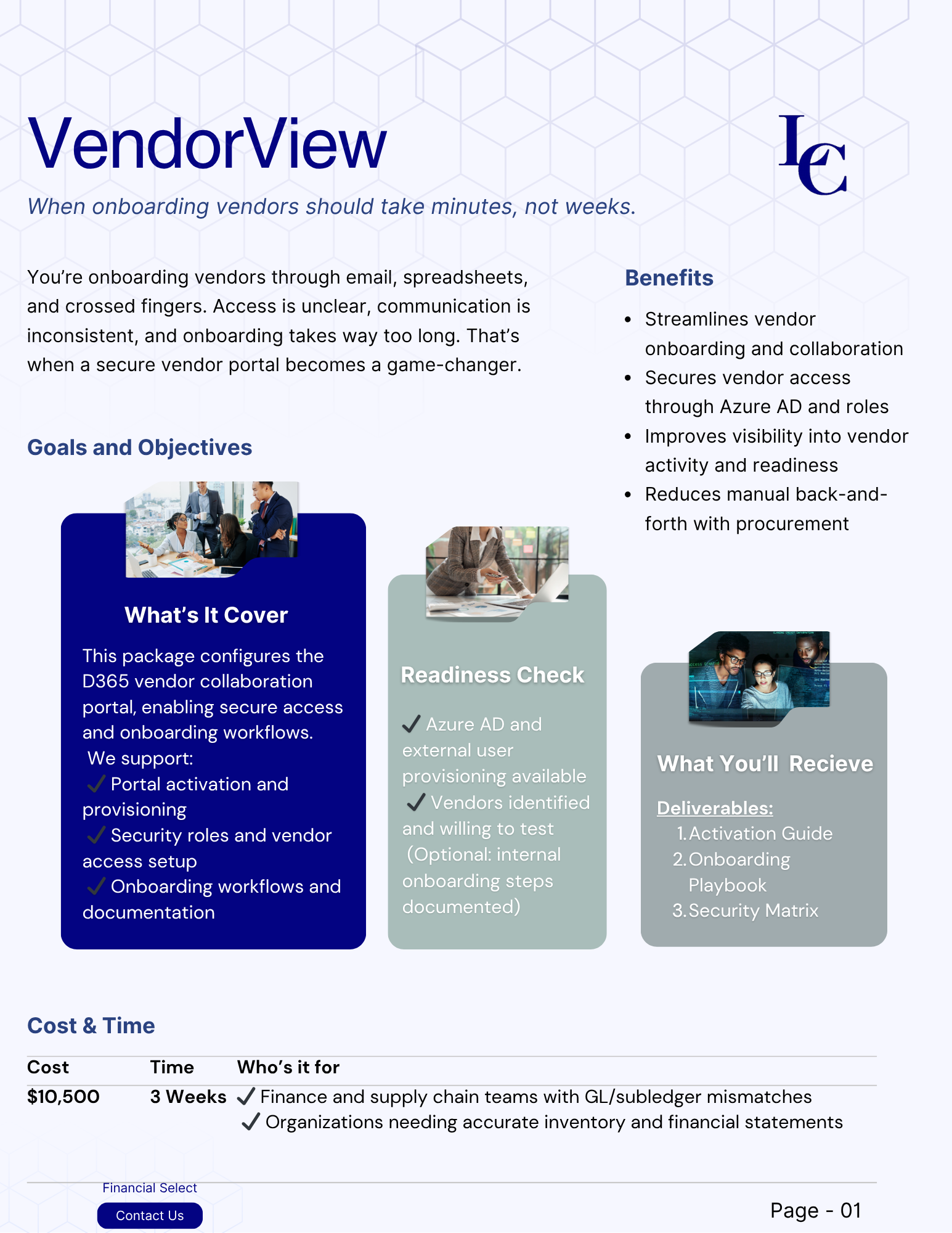


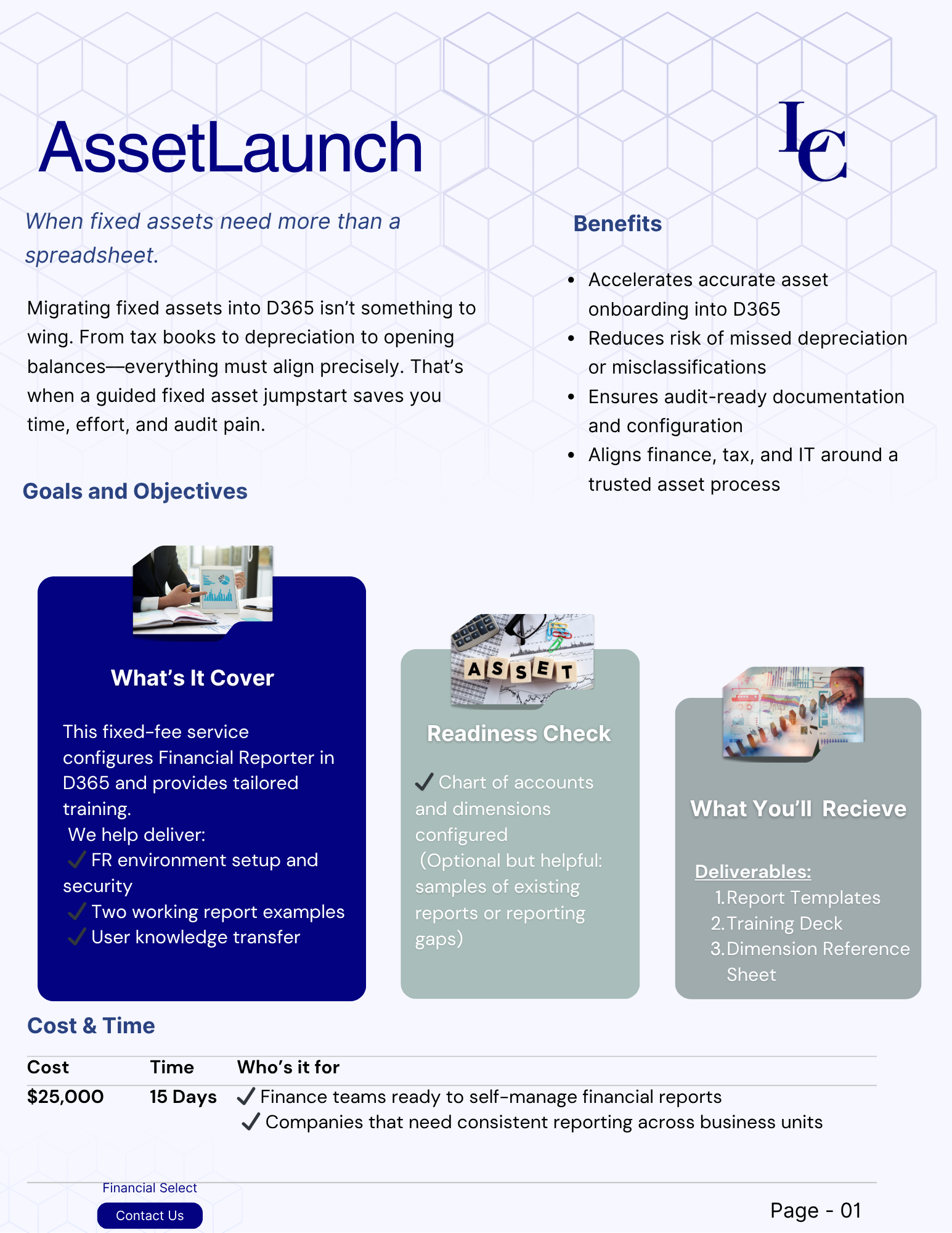
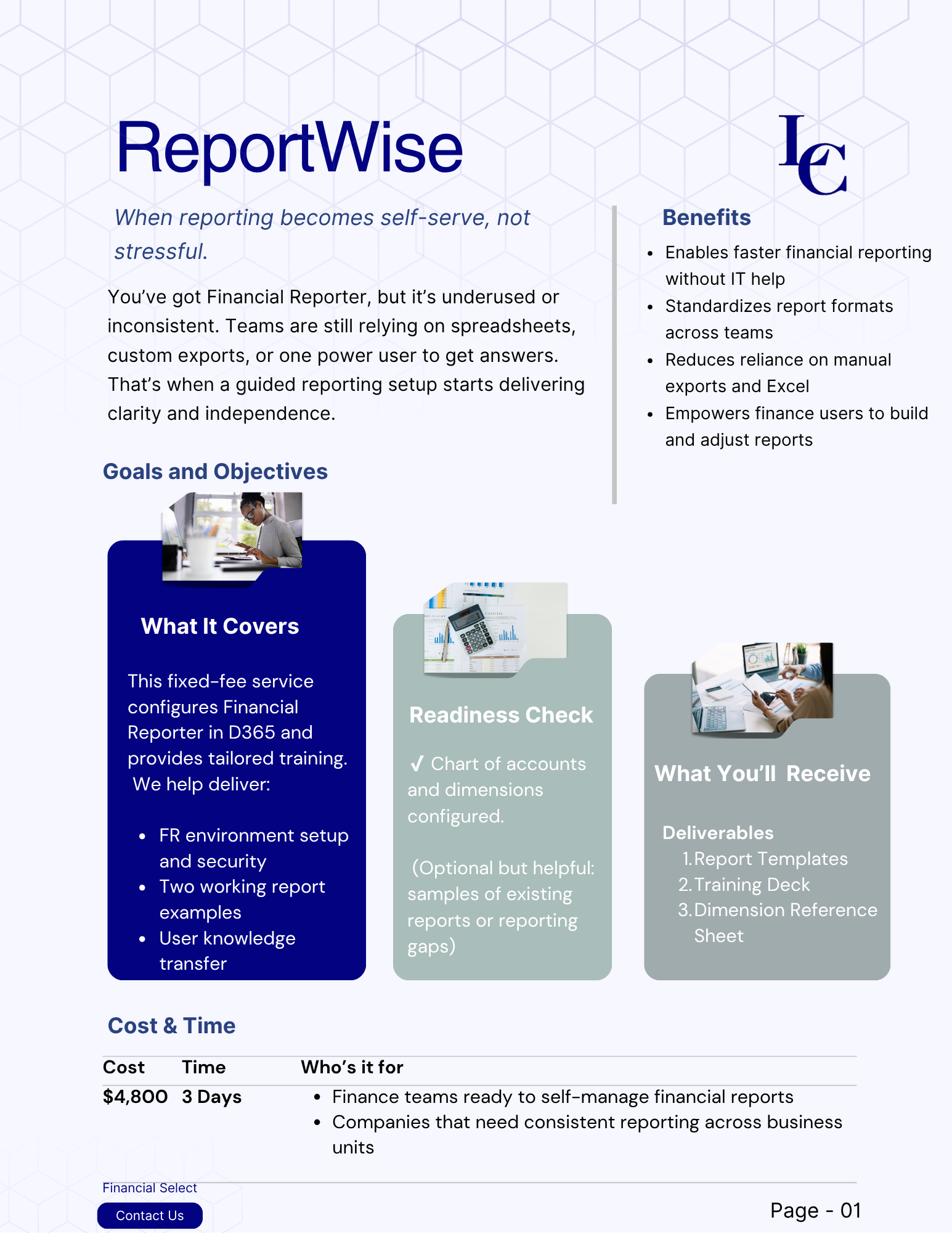
Reviews and corrects ledger-to-subledger alignment in D365 by fixing posting configurations, inventory profiles, reconciliation logic, GL mapping, and critical reporting procedures.
Customer Engagement Reimagined: A Series, Episode 9: Product-Led CRM: Turning Usage Data Into Engagement
Posted on: September 17, 2026 | By: Jackson Morris | Microsoft Dynamics CRM
In Episode 8 of our Customer Engagement Reimagined: Practical Innovation for the Modern CRM series, we explored Journey Orchestration That Actually Works, and how organizations are designing customer journeys that adapt to behavior instead of running on fixed schedules. This month, we turn that same lens inward, toward the richest and most honest source of customer signal most organizations already own: the product itself.
Your Product Is Your Most Honest Feedback Loop
Surveys tell you what customers say. Support tickets tell you what customers complain about. But usage data tells you what customers do, and what customers do rarely lie. A feature that gets clicked once and abandoned, a workflow that takes five extra steps before someone gives up, a login streak that quietly goes cold: these are signals no NPS score will surface as clearly. Product-led CRM starts from a simple premise: if you want to know how a customer relationship is really going, watch how they use the product, not just how they respond when you ask.
For years, usage data and CRM data have lived in separate worlds. Product teams watched adoption dashboards. Sales and success teams worked from opportunity stages and case histories. The two rarely talked to each other, which meant the people closest to the relationship were often the last to know a customer was struggling, or ready to expand.
From Vanity Metrics to Signals That Matter
Not all usage data is useful data. Logins and page views make for tidy dashboards, but they rarely predict anything. The signals worth building a strategy around are the ones tied to outcomes: has the customer reached a meaningful adoption milestone, are they using the features correlated with renewal and expansion and has their engagement pattern changed in a way that matters.
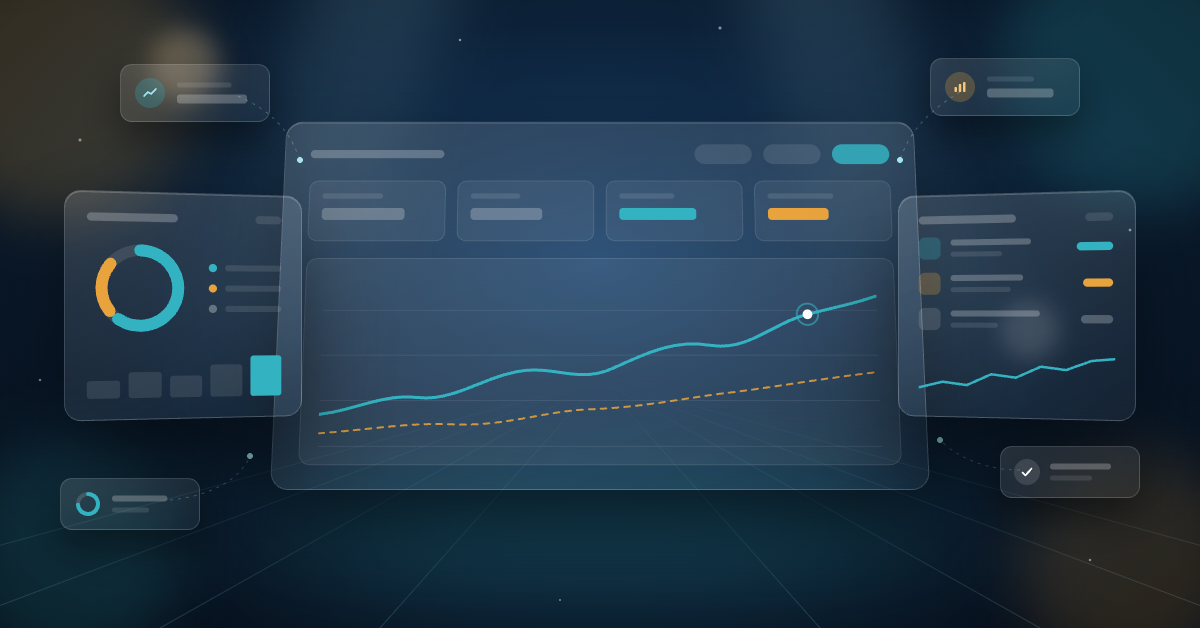
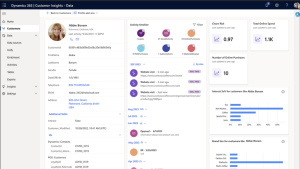
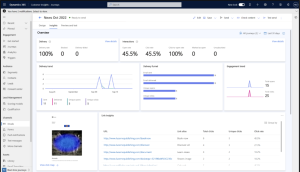
Dynamics 365, paired with Customer Insights and the broader Power Platform, gives organizations a place to bring that behavioral data together with the relationship record. In-app events, feature adoption, and engagement trends can flow into the same customer profile as opportunities, cases, and conversations, so a change in product behavior is never sitting in a silo the account team can’t see.
Predicting Churn Before It Happens
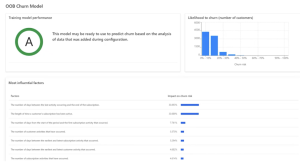
By the time a churn risk shows up as a cancellation request, the decision has usually already been made weeks or months earlier. Declining usage, stalled onboarding, a key power user who has gone quiet: these are the early tremors, not the earthquake. Blending product analytics with CRM data lets organizations model those patterns and turn them into proactive workflows instead of reactive save attempts.
The goal isn’t a black-box churn score nobody trusts. It’s a transparent set of signals, grounded in real usage, that trigger the right action from the right team at the right time: a check-in call from customer success, a targeted enablement sequence from marketing, or an early flag to the account owner before a renewal conversation goes sideways.
BUILDING A PRODUCT-LED ENGAGEMENT MODEL IN DYNAMICS 365
Here are practical patterns organizations are applying today to turn usage data into meaningful engagement:
- Adoption Milestone Tracking – Define the handful of in-app milestones that correlate with long-term retention, and surface progress toward them directly on the account or contact record so customer success can see momentum at a glance.
- Usage-Based Health Scoring – Combine engagement trends, feature adoption, and support activity into a single health score in Dynamics 365, so risk and opportunity are visible well before a renewal or upsell conversation begins.
- Churn Risk Alerts – Configure automated flows so a meaningful drop in usage, or the disengagement of a key champion, creates a task or notification for the owning team instead of going unnoticed.
- Product-Qualified Signals for Sales – Route in-app behavior that signals buying intent, like a free-tier account hitting usage limits or an admin exploring premium features, into the same pipeline as marketing-qualified and sales-qualified leads.
- Closed-Loop Feedback to Product Teams – Feed CRM context, such as deal size, industry, and support history, back into product analytics so usage patterns can be understood in the context of who the customer is, not just what they clicked.
Making It Sustainable
Organizations don’t need to instrument every click to get value from product-led CRM. The most successful programs start with a small set of high-signal events tied to clear business outcomes, prove out the workflows that act on them, and expand instrumentation over time. A single reliable churn signal that actually triggers action beats a dashboard full of metrics nobody follows up on.
Conclusion
Product-led CRM works when organizations stop treating usage data and relationship data as two separate stories. Your product already knows when a customer is thriving and when they’re struggling; the work is building the bridge so that knowledge reaches the people who can act on it. In Dynamics 365, that bridge already exists. The organizations that benefit most are the ones that stop asking customers to tell them how it’s going and start listening to what the product is already saying.
Stay tuned for Episode 10, where we’ll continue exploring Practical Innovation for the Modern CRM. If you have any questions or would like to learn more, please reach out and schedule time with our team. We hope to speak with you soon!