





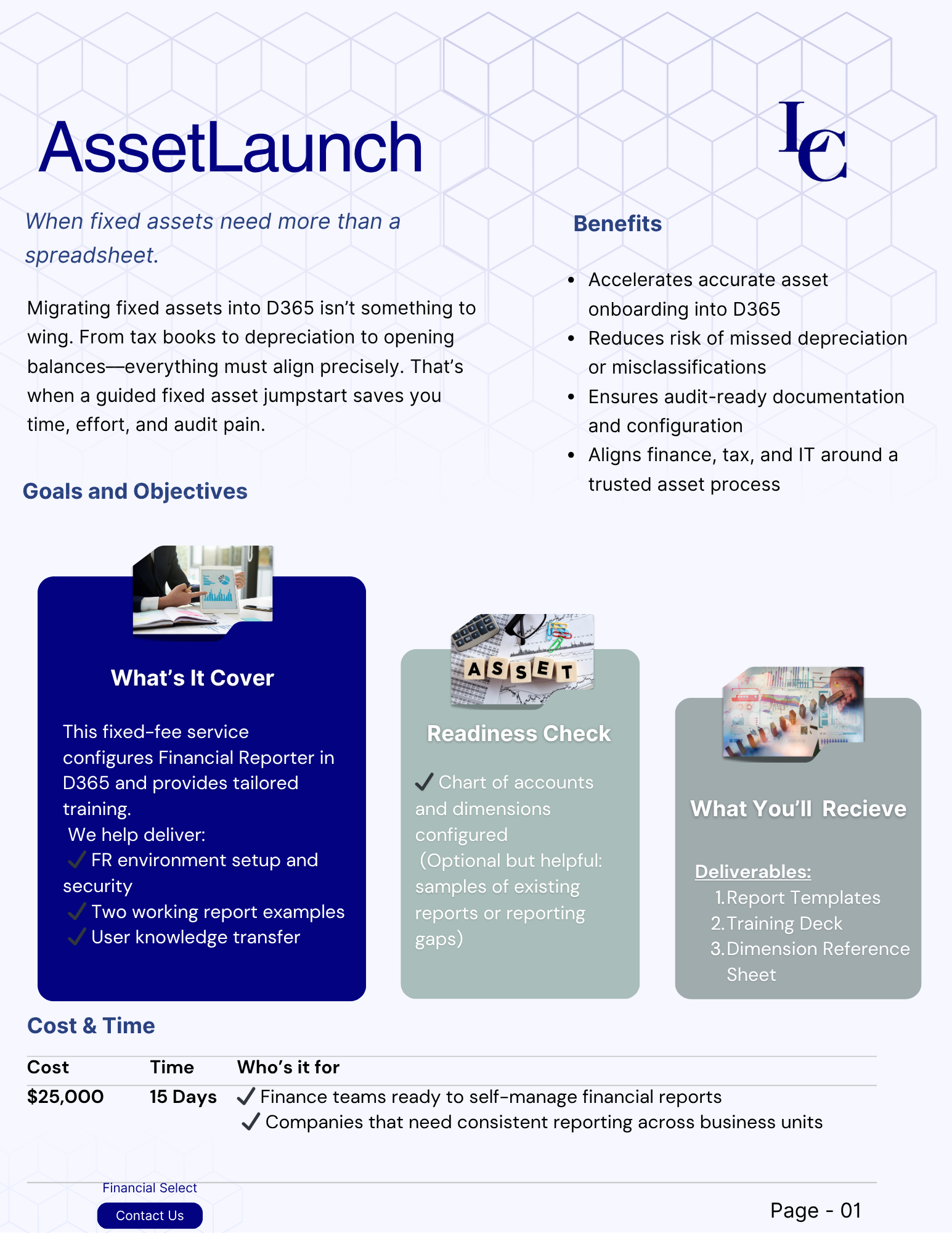
Reviews and corrects ledger-to-subledger alignment in D365 by fixing posting configurations, inventory profiles, reconciliation logic, GL mapping, and critical reporting procedures.
Customer Engagement Reimagined: A Series, Episode 8: Journey Orchestration That Actually Works
Posted on: September 3, 2026 | By: Jackson Morris | Microsoft Dynamics CRM
In Episode 7 of our Customer Engagement Reimagined: Practical Innovation for the Modern CRM series, we explored how organizations are transforming customer service from reactive support to proactive engagement. This month, we shift our focus to marketing and customer engagement, examining how organizations are moving beyond disconnected campaigns and toward orchestrated customer journeys that adapt in real time to customer behavior.
From Campaigns to Connected Experiences
For years, marketing teams have measured success by the campaigns they launch. An email is sent, an event invitation goes out, a follow-up campaign is scheduled, and then the process repeats. While this approach can generate engagement, it often creates fragmented customer experiences because every interaction is treated as a standalone activity rather than part of a larger relationship.
Journey orchestration changes that mindset. Instead of focusing on individual campaigns, organizations design experiences that respond to customer actions, preferences, and lifecycle stages. Prospects receive relevant content based on engagement, existing customers receive communications aligned to their needs, and teams work from a shared view of the customer rather than disconnected data silos.

Trigger-Based Engagement That Feels Relevant
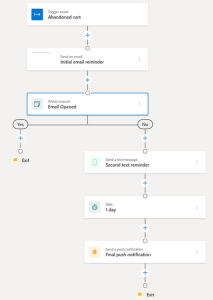
Customers expect interactions that are timely and personalized. The most effective journey strategies use behavioral and operational triggers to determine what happens next instead of relying on fixed schedules.
A customer who downloads a guide may enter an educational nurture sequence. An event attendee might receive follow-up communications based on the sessions they attended. A customer service interaction could trigger proactive outreach from marketing or sales when appropriate. The experience feels coordinated because actions across departments contribute to a single customer journey.
Cross-Team Alignment Creates Better Outcomes
Journey orchestration requires alignment across sales, marketing, and customer service to create seamless experiences. When customer data, activities, and engagement signals remain trapped within functional teams, customers receive inconsistent messaging and duplicate outreach. A prospect may receive promotional communications while actively working with sales, or a customer could receive onboarding content long after implementation is complete.
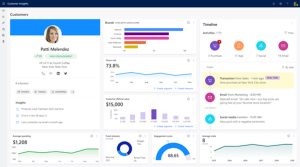
Modern CRM platforms help eliminate these gaps by providing a shared understanding of customer activity. Marketing sees engagement history, sales sees journey participation, and service teams can understand communication context.
Building Practical Journey Frameworks in Dynamics 365
Organizations do not need dozens of complex journeys to create meaningful customer experiences. Many begin with a few foundational frameworks that can be expanded over time:
- Lead Nurture Journeys
- Guide prospects through awareness, education, and evaluation stages based on engagement signals and behavior.
- Event Engagement Journeys
- Coordinate invitations, reminders, attendance follow-up, and post-event nurture activities from a single journey.
- Customer Onboarding Journeys
- Deliver the right communications, resources, and milestones after a customer purchase or implementation kickoff.
- Customer Retention Journeys
- Monitor engagement levels and trigger outreach when participation or usage begins to decline.
- Sales and Marketing Handoff Journeys
- Align lead qualification processes with automated notifications and next-step actions for sellers.
Making Orchestration Sustainable
The most successful organizations avoid building journeys that are overly complicated or difficult to maintain. Effective journey orchestration focuses on clear business objectives, meaningful customer signals, and measurable outcomes.
Starting with a small number of customer scenarios allows teams to establish governance, align stakeholders, and demonstrate value before expanding into more sophisticated orchestration programs. Over time, journeys evolve from simple automation into intelligent customer experiences that continuously adapt to changing needs and behaviors.
Conclusion
Journey orchestration works when organizations stop thinking in terms of individual campaigns and start designing customer experiences that span the entire relationship. By combining lifecycle marketing, behavioral triggers, and cross-team collaboration, Dynamics 365 enables organizations to deliver interactions that feel timely, relevant, and connected.
Stay tuned for Episode 9, where we’ll continue exploring Practical Innovation for the Modern CRM and see how product led CRM is turning usage data into engagement. If you have any questions or would like to learn more, please reach out and schedule time with our team. We hope to speak with you soon!
 Scaling EDI as You Grow with Dynamics 365 Business Central
 NetSuite SuiteConnect Chicago 2026: Connect, Learn, and Lead With ERP Innovation
 Highlights from NetSuite Lunch and Learn and Happy Hour in New York: Strengthening Partnerships and Delivering Value
 Forward Deployed Consulting in the Era of NetSuite Next