

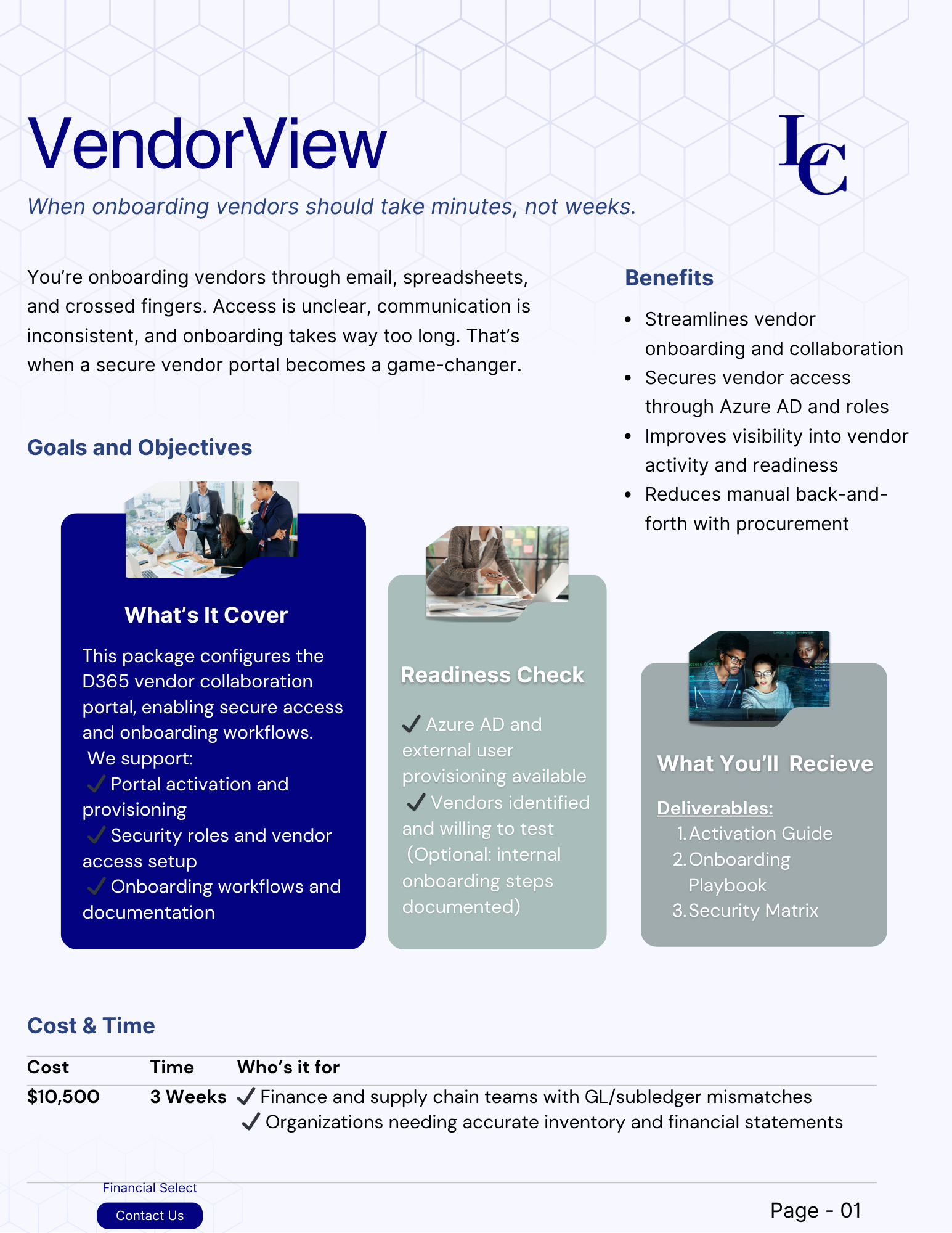


Reviews and corrects ledger-to-subledger alignment in D365 by fixing posting configurations, inventory profiles, reconciliation logic, GL mapping, and critical reporting procedures.
Category: ERP Selection|QAD Business Process
Linked-Site Costing in QAD: Simplifying Cost Management Across Sites
Posted on: May 13, 2026 | By: Blake Moore | QAD Financials, QAD Business Process, ERP Selection|QAD Business Process, QAD Financials|QAD Business Process
Linked-Site Costing Rules For manufacturers and distributors operating across multiple sites, maintaining accurate and consistent item costs can quickly become complex. This is where Linked-Site Costing in QAD becomes a powerful tool. At its core, Linked-Site costing allows you to share item cost data across multiple sites within the same domain. Instead of maintaining separate cost records for each site, you can designate one site as the GL Cost Source Site and link other sites to it. This ensures consistency, reduces maintenance effort, and minimizes...
Managing Deductions: How Deductions Can Be Set Up to Fit Business Needs in QAD AUX
Posted on: April 13, 2026 | By: Blake Moore | ERP Selection, QAD Manufacturing, ERP Selection|QAD Business Process, QAD Financials|QAD Business Process
In today’s complex customer and supplier environments, deductions are inevitable. Whether tied to promotions, freight disputes, quality issues, or pricing discrepancies, businesses need a structured way to manage them without disrupting cash flow or creating reconciliation chaos. That’s where QAD AUX provides flexibility — allowing organizations to configure deduction management in a way that mirrors their real-world processes rather than forcing teams into rigid workflows. Why Deduction Management Matters In...
Closing the Execution Gap: How QAD Aligns Planning with Reality
Posted on: April 8, 2026 | By: Blake Moore | QAD Financials, ERP Selection, QAD Manufacturing, QAD Distribution, ERP Selection|QAD Business Process, QAD Financials|QAD Business Process
In manufacturing, the plan always looks clean on paper. Demand forecasts align neatly with capacity. Lead times behave as expected. Inventory levels stay within target. Then reality intervenes. A supplier misses a shipment. A machine goes down. A customer changes an order. Production falls behind. The gap between what was planned and what actually happens is the execution gap, and it is one of the biggest operational challenges manufacturers face....
How Small Process Changes Create Big ERP Wins (and Protect EBITDA)
Posted on: March 16, 2026 | By: Blake Moore | QAD Financials, ERP Selection|QAD Business Process, QAD Financials|QAD Business Process
How Small Process Changes Create Big ERP Wins (and Protect EBITDA) When manufacturers talk about improving ERP performance, the conversation often jumps straight to system replacements, large upgrades, or new modules. While those initiatives can deliver value, many of the biggest operational improvements actually come from small adjustments to how teams use their existing ERP system every day. For companies running QAD incremental process improvements can significantly enhance operational performance,...
QAD Certifications, Experience, and References: What Actually Matters When Vetting a Partner
Posted on: March 16, 2026 | By: Blake Moore | QAD Manufacturing, QAD Business Process, QAD Distribution, ERP Selection|QAD Business Process, QAD Financials|QAD Business Process, Uncategorized, QAD Financials
Selecting a QAD implementation partner is one of the most important decisions organizations make during an ERP transformation. While many firms highlight certifications, team size, or global reach, these metrics alone do not necessarily translate into a successful implementation. Companies evaluating partners should look deeper, focusing on practical experience, proven methodologies, and the ability to support long-term operational success. Certifications Are the Starting Point, Not the Outcome While certifications demonstrate...
ERP Isn’t a Software
Posted on: January 21, 2026 | By: Blake Moore | ERP Selection, ERP Selection|QAD Business Process
Too often, ERP projects start with the wrong assumption: that ERP is a piece of software you buy, install, and then magically benefit from. It isn’t. ERP is a foundational framework for how an organization operates, makes decisions, and aligns people, processes, and data toward a common goal. The software is simply the tool that supports that concept. Treat it as anything less, and the project is already at risk....
Year End Close Tips and Tricks
Posted on: December 15, 2025 | By: Blake Moore | QAD Business Process, ERP Selection|QAD Business Process
As the year wraps up, many clients reach out with questions about their year-end close. Performing a fiscal year-end close can present challenges such as tight timelines, ensuring all transactions are posted accurately, coordinating across departments, preparing for audits, and meeting regulatory or tax requirements. The good news is that closing the year in QAD doesn’t need to be complicated. QAD provides clear tools, controls, and reports to help streamline...
The Hidden Cost of Doing Nothing
Posted on: October 10, 2025 | By: Alexa Leitner | ERP Selection|QAD Business Process
Your ERP system worked fine five years ago. And honestly, that made perfect sense back then. But as your business has grown and changed, those same systems might be working harder than they should. Without realizing it, you might be paying a hidden cost for keeping things as they are. What Staying Put Really Costs Time slips away gradually. Your team likely spends extra minutes here and there working around...
Designing Domain and Entity Structures in QAD: Key Considerations for a Scalable Financial Architecture
Posted on: September 17, 2025 | By: Alexa Leitner | ERP Selection|QAD Business Process
When implementing QAD ERP, one of the most foundational decisions you'll make is how to structure your Domains and Entities. This architecture not only affects financial reporting and compliance but also impacts operational efficiency, scalability, and long-term maintainability. Here are the critical factors to consider when designing your Domain and Entity structure. When to Use Separate Domains Domains in QAD serve as containers for financial and operational data. You’ll need to create separate...