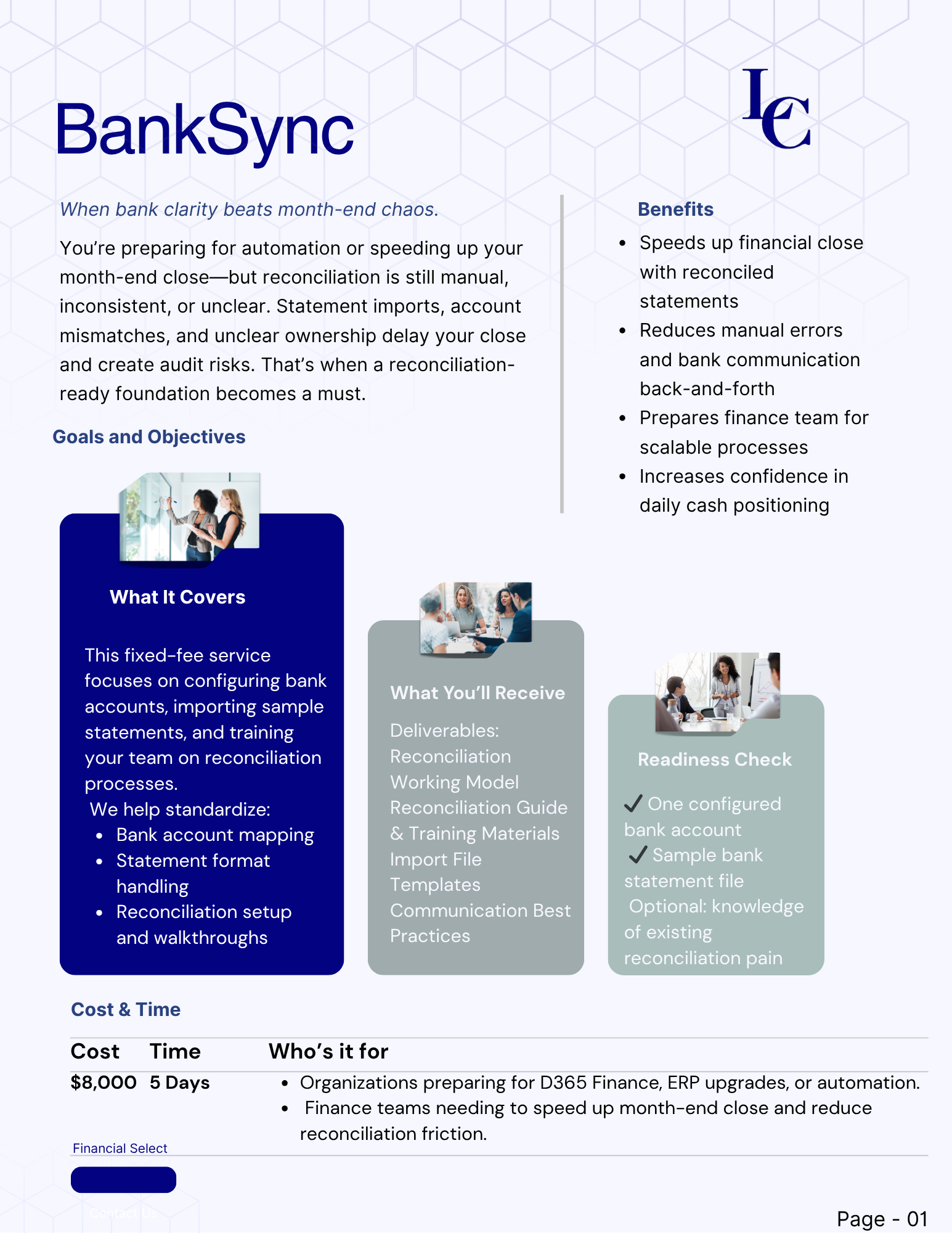


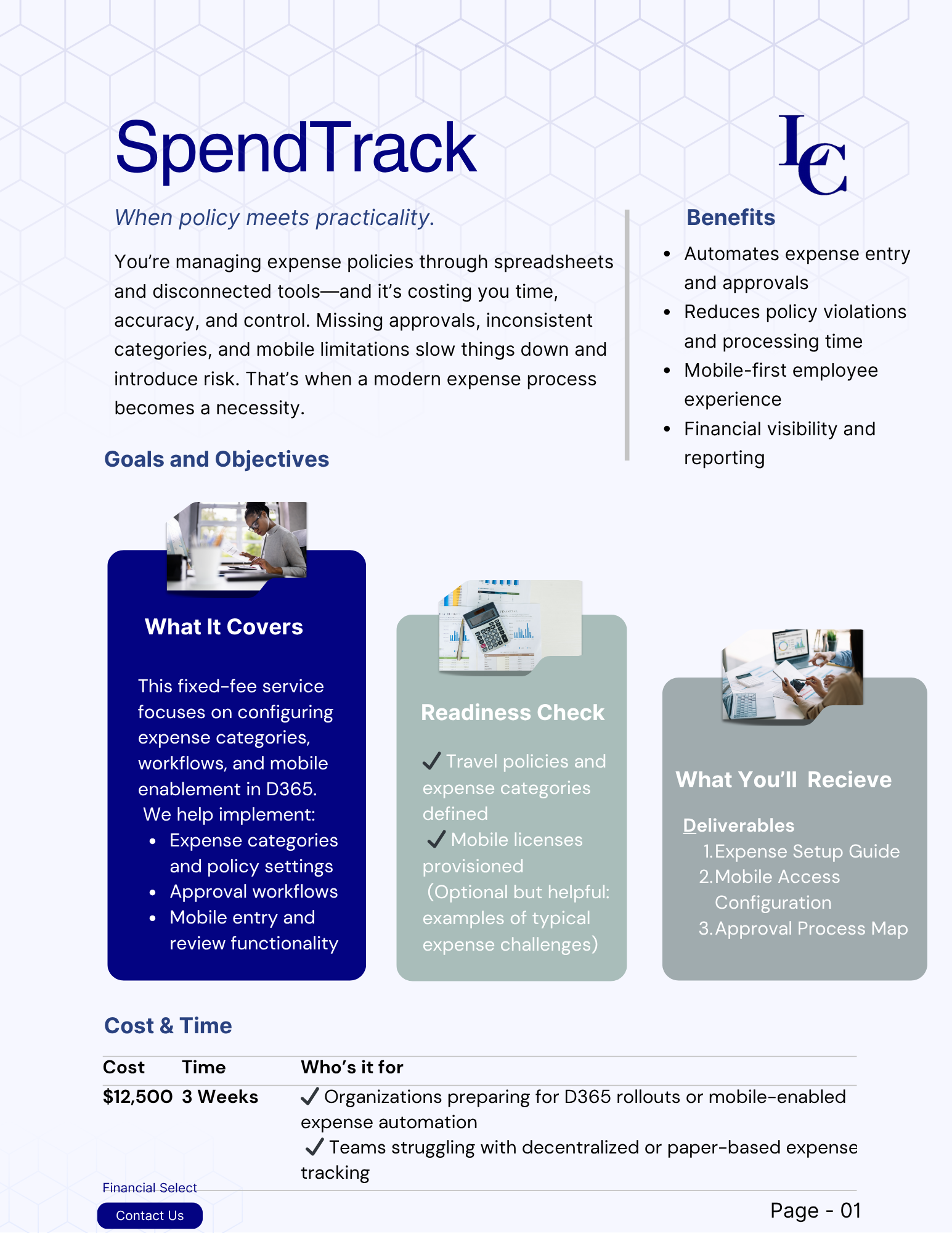


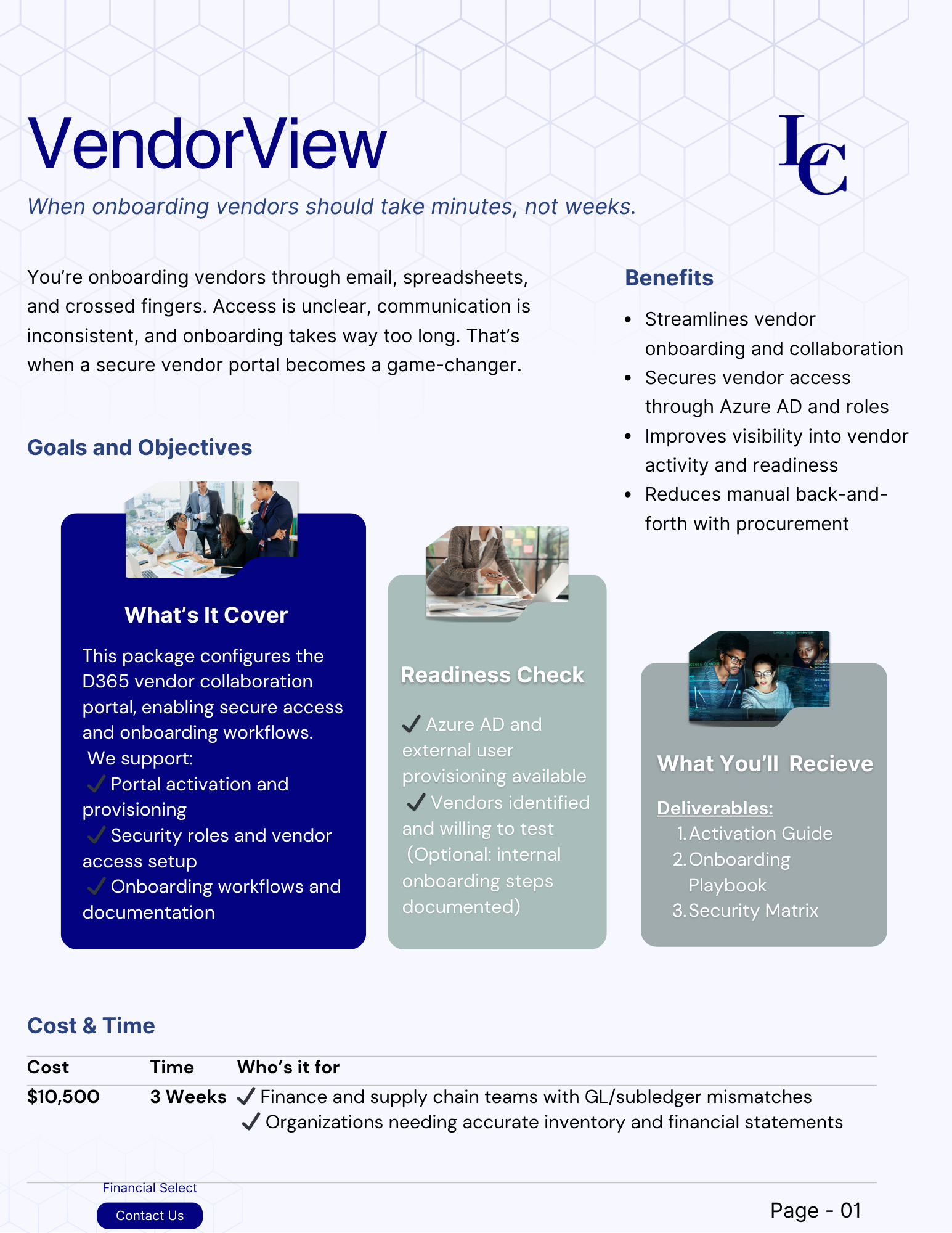


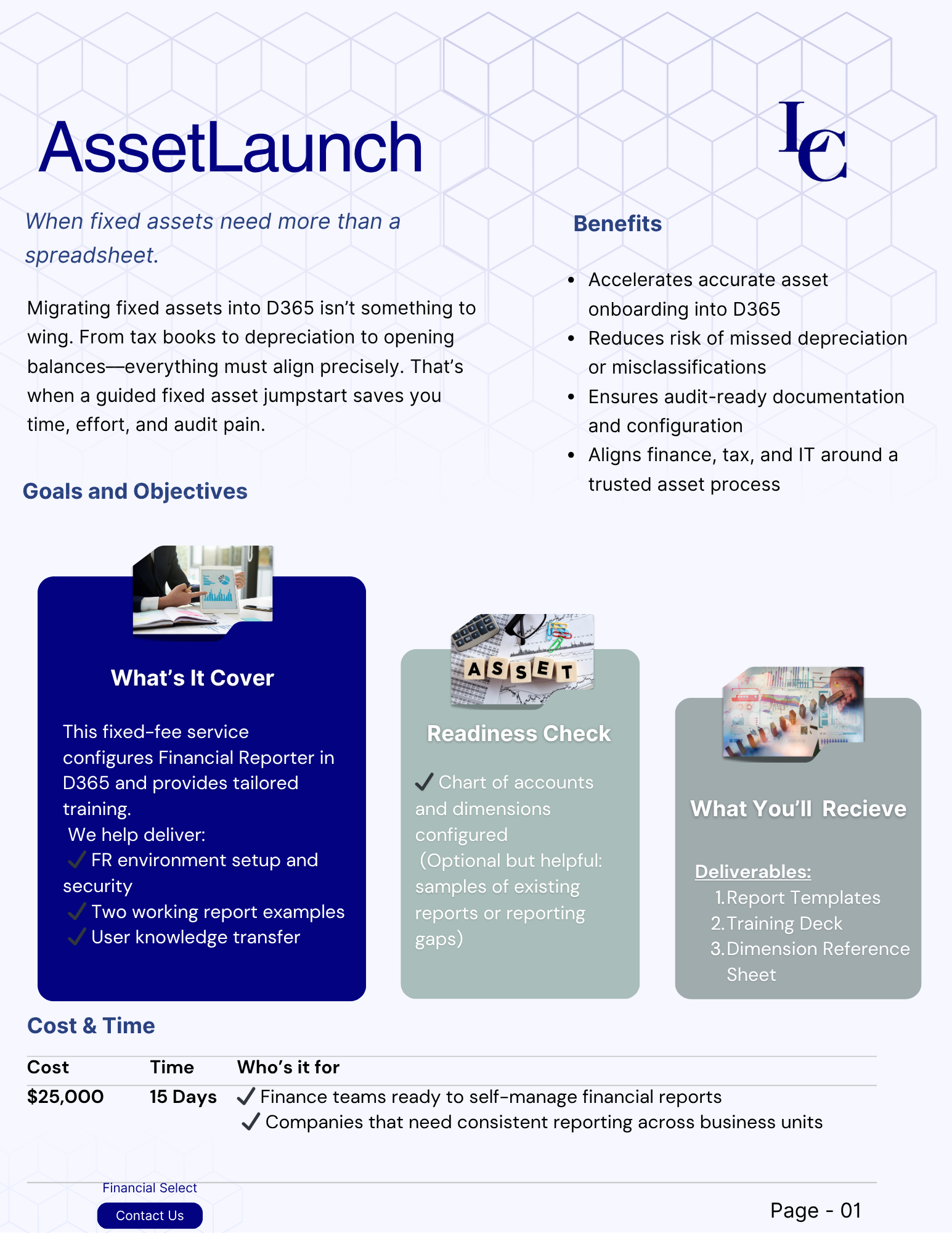
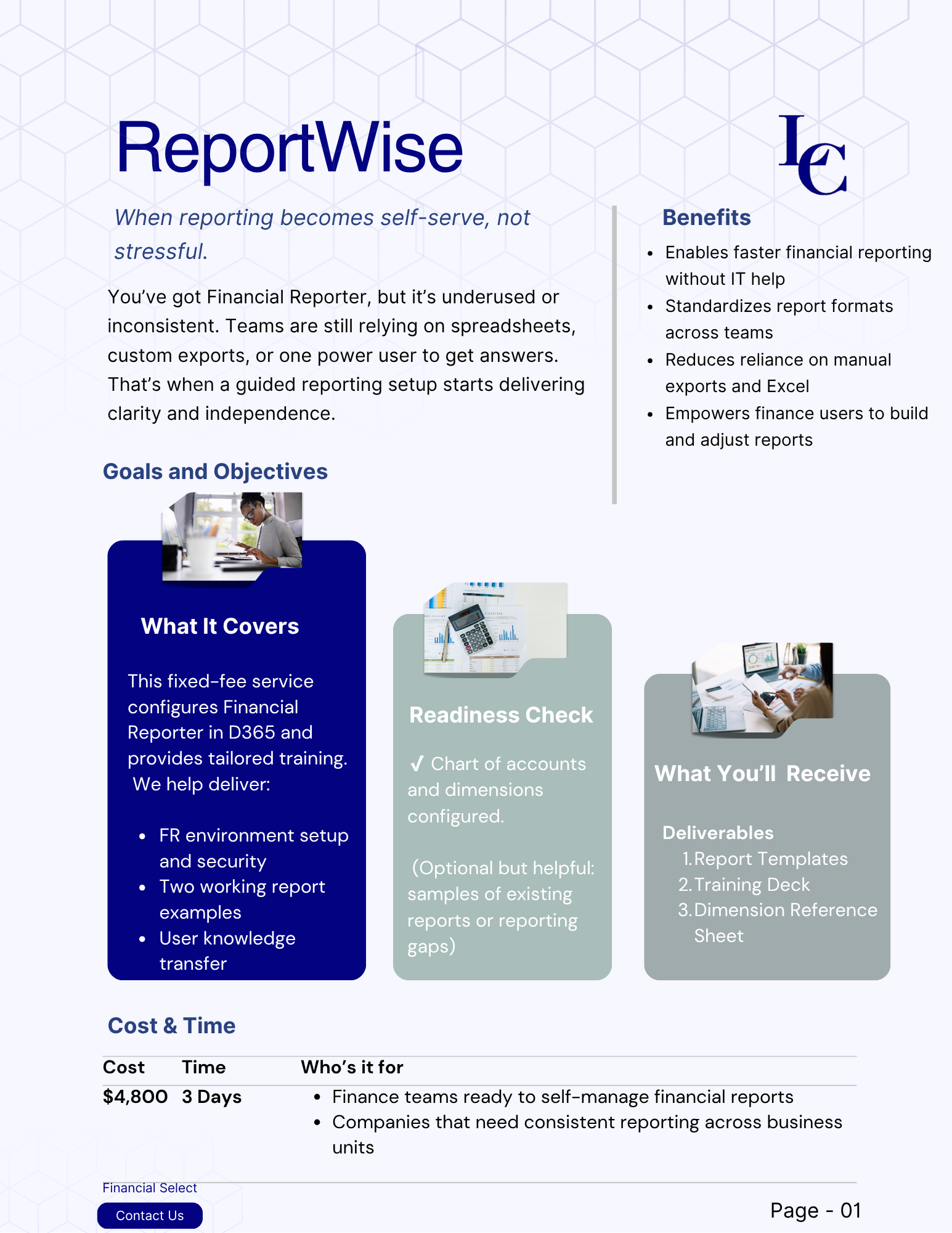
Reviews and corrects ledger-to-subledger alignment in D365 by fixing posting configurations, inventory profiles, reconciliation logic, GL mapping, and critical reporting procedures.
Customer Engagement Reimagined Episode 7: Service Reimagined: Proactive, Predictive, and Personalized
Posted on: August 11, 2026 | By: Jackson Morris | Microsoft Dynamics CRM
Practical Innovation for the Modern CRM
In episode 6 of our Customer Engagement Reimagined: Practical Innovation for the Modern CRM, we explored Practical Innovation for the Modern CRM. This month, we turn to the service side of that relationship: what it takes to catch problems before they become complaints, and to make support feel effortless rather than reactive.
From Reactive to Proactive
Traditional service models are built around a simple, reactive loop: a customer notices a problem, submits a ticket, and waits for someone to pick it up. It works, but it puts the burden of detection entirely on the customer, and every minute spent waiting erodes trust.
Dynamics 365 Customer Service and Field Service are shifting that loop upstream. AI-powered triage and Unified Routing can classify and route incoming requests, sentiment signals surface friction before it escalates, and connected data allows some issues to be resolved, or prevented, before a customer ever has to ask.
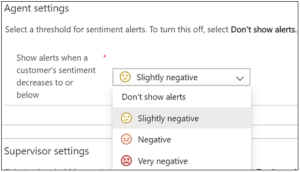
Reading the Room: Sentiment and AI Triage in Action
One of the most tangible shifts in modern service is the move from reading the ticket to reading the customer. AI-powered conversation analysis and sentiment detection can identify frustrated customers during supported digital interactions and voice scenarios, helping supervisors intervene earlier.
Paired with Copilot-assisted case triage, incoming requests are automatically classified by intent, and urgency, then routed to the right queue or agent. That shortens the gap between an issue occurring and someone owning it, and it means agents start a conversation with context already in hand rather than starting cold.
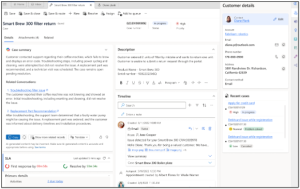
Fixing Issues Before Customers Feel Them
The most advanced form of proactive service is the kind a customer never notices, because the issue never reaches them. Self-service portals surface AI-recommended knowledge articles and virtual agent responses before a case is even created, deflecting the questions that don’t need a human. On the field side, IoT-connected assets in Dynamics 365 Field Service can flag anomalies and automatically generate a work order before a piece of equipment actually fails.
Done well, this is what a modern service playbook looks like: fewer surprises for the customer, and a support team that spends less time firefighting and more time on the interactions that genuinely need a human touch.
Building a Modern Service Playbook in Dynamics 365
Here are practical patterns organizations are applying today to deliver service that’s proactive, predictive, and personalized:
- AI-Powered Case Triage and Routing
- Use Copilot in Customer Service assist in classifying incoming cases by intent and urgency, routing them to the right queue without manual review.
- Real-Time Sentiment Detection Across Channels
- Apply Omnichannel for Customer Service sentiment analysis to flag at-risk conversations across chat, email, and voice so agents and supervisors can step in early.
- Predictive Case Deflection with Self-Service
- Surface AI-recommended knowledge articles and virtual agent responses so customers resolve simple issues before a case is ever logged.
- Connected Assets and Proactive Field Service
- Use Dynamics 365 Field Service with IoT-connected devices to catch anomalies and auto-generate work orders before a customer notices a disruption.
- Supervisor Dashboards with Predictive Escalation Risk
- Provide supervisors with dashboards powered by AI insights, conversation analytics, and case trends that highlight high-risk interactions and operational bottlenecks, enabling earlier coaching and intervention.
Conclusion
Service becomes a genuine differentiator when customers stop noticing the mechanics behind it, when issues are resolved, or prevented, quietly, before frustration has a chance to build. In Dynamics 365, Microsoft provides the building blocks: AI triage, real-time sentiment, and predictive, connected data. The organizations that get this right treat service not as a queue to clear, but as a signal to act on early.
Stay tuned for Episode 8, where we’ll continue exploring Practical Innovation for the Modern CRM and see how Journey Orchestration Actually Works. If you have any questions or would like to learn more, please reach out and schedule time with our team. We hope to speak with you soon!