







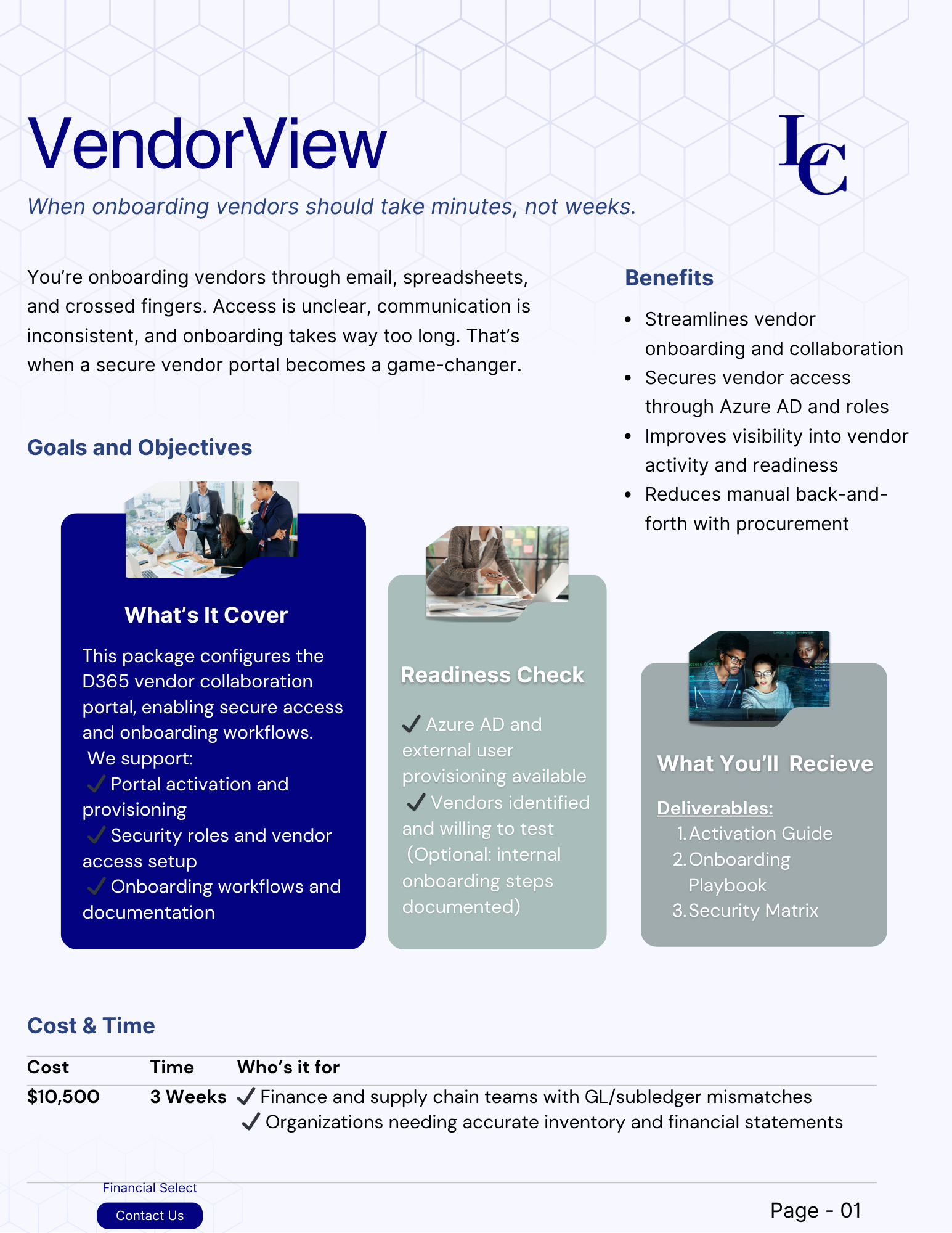


Reviews and corrects ledger-to-subledger alignment in D365 by fixing posting configurations, inventory profiles, reconciliation logic, GL mapping, and critical reporting procedures.
NetSuite and the Model Context Protocol (MCP): The Future of AI-Connected ERP
Posted on: May 8, 2026 | By: Anika Dewjee | NetSuite
As artificial intelligence continues to evolve, organizations are looking for ways to make AI tools more useful within their existing business systems. One emerging concept gaining attention is the Model Context Protocol (MCP), a framework designed to help AI models securely access and interact with business data and applications in a more structured way. For organizations using Oracle NetSuite, MCP represents a potential shift toward more intelligent, connected, and context-aware ERP experiences.

What is Model Context Protocol (MCP)?
Model Context Protocol is an emerging standard focused on improving how AI systems communicate with business applications. Rather than requiring custom integrations for every AI interaction, MCP creates a structured way for AI models to access approved business context, data, and workflows securely.
In practical terms, MCP helps AI tools better understand the systems they are interacting with, allowing them to provide more relevant insights, automate tasks more intelligently, and operate with greater accuracy.
Why MCP Matters for ERP Systems
ERP systems contain some of the most valuable operational and financial data within an organization. However, AI tools are only as effective as the context and data they can access. Without proper structure and governance, AI-generated insights can become incomplete or unreliable.
MCP aims to solve this challenge by creating standardized access to business context. For NetSuite users, this could allow AI tools to work more naturally across financials, supply chain operations, CRM data, reporting, and workflows.
Instead of relying on disconnected prompts or manual data gathering, AI could securely reference real-time ERP information to support smarter decision-making and automation.
AI-Driven Workflows and Automation
As AI capabilities expand within NetSuite and the broader Oracle ecosystem, MCP-style frameworks could help organizations move toward more intelligent workflows.
For example, AI assistants could:
- Summarize financial performance using live ERP data
- Recommend operational actions based on inventory or sales trends
- Assist with reporting and forecasting
- Surface exceptions or anomalies in real time
- Automate routine business processes with greater contextual awareness
This type of connected intelligence has the potential to reduce manual effort while improving the quality and speed of decision-making.
Security and Governance Remain Critical
While AI connectivity creates exciting opportunities, governance remains essential. ERP systems contain sensitive operational and financial information, making security and controlled access a top priority. One of MCP’s key advantages is its focus on structured, permission-based access to business data. This helps ensure AI systems only interact with approved information while maintaining compliance, visibility, and accountability. For organizations evaluating AI within ERP, balancing innovation with governance will be critical for long-term success.
Next Steps
AI-connected ERP is rapidly becoming a reality, and concepts like Model Context Protocol are shaping how organizations will interact with business systems in the future. Logan Consulting helps businesses optimize NetSuite environments, modernize workflows, and prepare for emerging AI-driven capabilities.
If you’re interested in learning how AI and evolving integration frameworks may impact your NetSuite strategy, contact Logan Consulting today to start the conversation.