



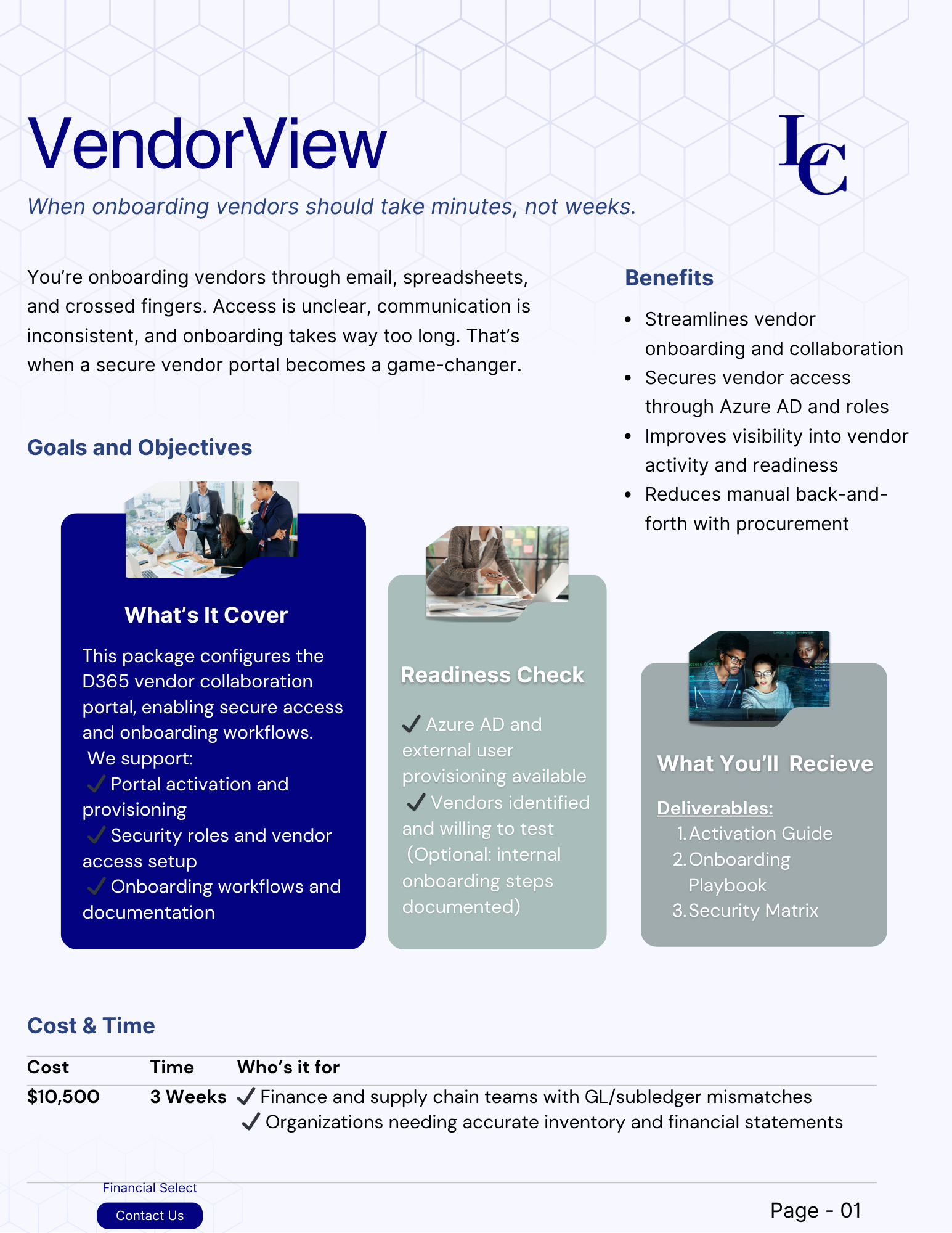


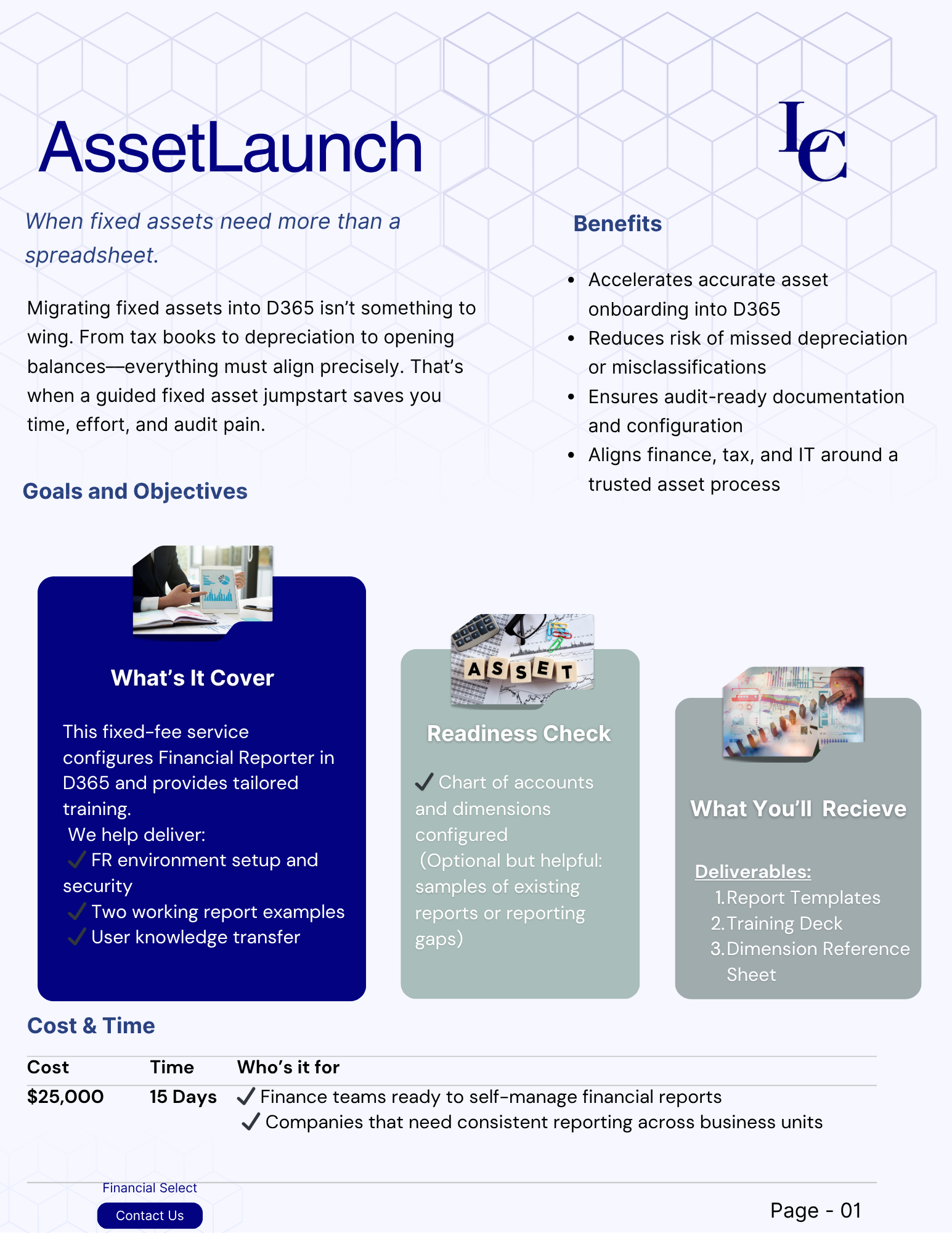
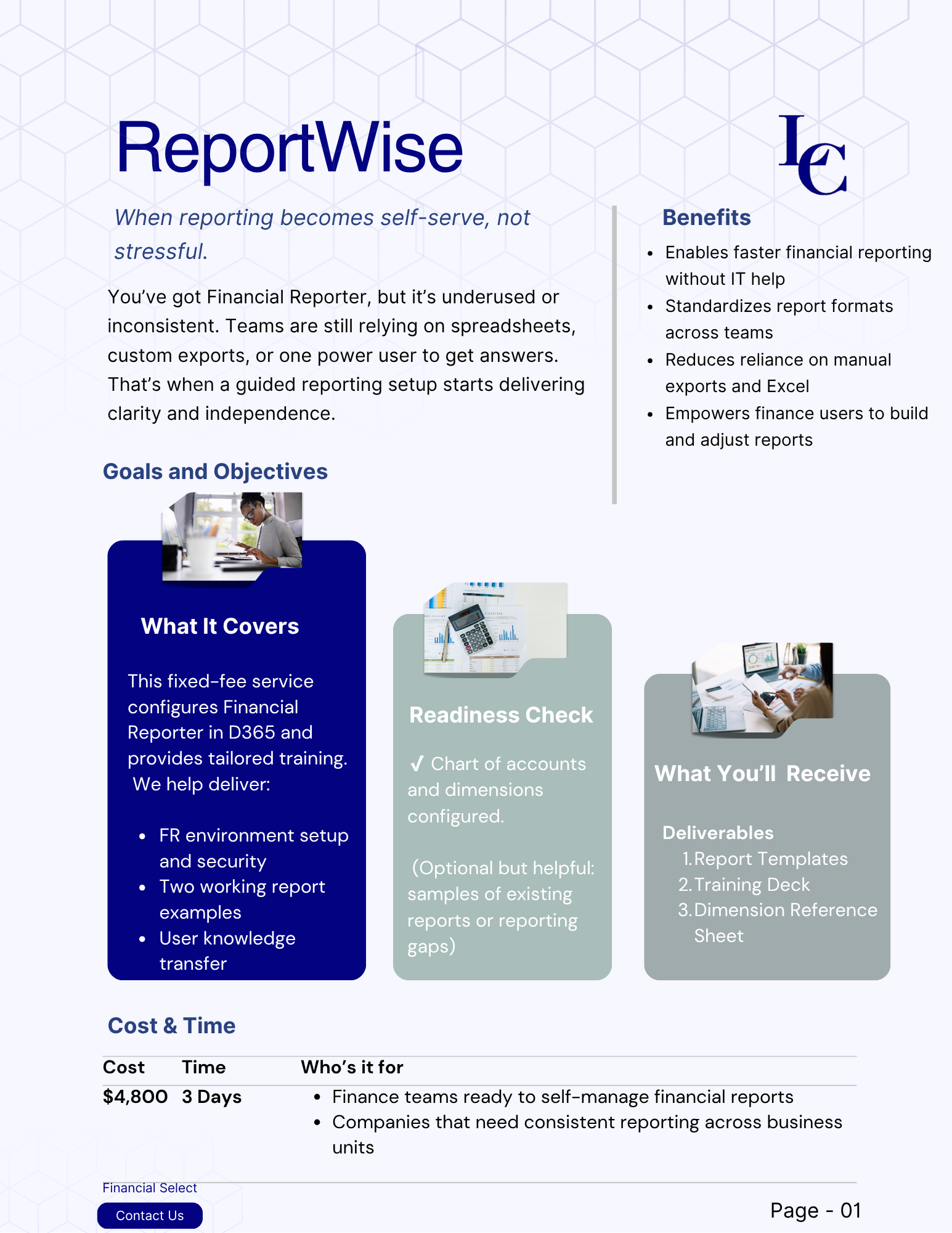
Reviews and corrects ledger-to-subledger alignment in D365 by fixing posting configurations, inventory profiles, reconciliation logic, GL mapping, and critical reporting procedures.
Building a Strong Data Foundation in Microsoft Dynamics 365 CRM
Posted on: March 23, 2026 | By: Anika Dewjee | Microsoft Dynamics CRM
In today’s digital landscape, data is the foundation of every successful customer engagement strategy. However, many organizations struggle with disconnected systems, duplicate records, and underutilized information. Microsoft Dynamics 365 CRM helps businesses overcome these challenges by enabling teams to clean, connect, and activate customer data within a unified, intelligent platform.

Cleaning Data for Accuracy and Trust
A strong data foundation starts with clean, reliable data. Many organizations deal with duplicate contacts, inconsistent formats, and outdated information, which can lead to poor decision-making and fragmented customer experiences. Dynamics 365 CRM provides tools to standardize and manage data, helping teams maintain accuracy across the system. Clean data improves reporting, forecasting, and overall confidence in decision-making, ensuring that every interaction is based on trustworthy information.
Connecting Data Across Systems
Once data is clean, the next step is connecting it across the organization. CRM systems are designed to act as a central hub, bringing together customer data from sales, marketing, and service into one place for a complete view of the customer journey. With integration across Microsoft tools and the broader ecosystem, Dynamics 365 eliminates data silos and improves collaboration. This unified approach ensures that all teams are working from the same information, enabling more consistent and informed customer engagement.
Activating Data with Automation and AI
The real value of data comes from how it is used. Dynamics 365 CRM allows organizations to activate their data through AI-driven insights and automation. Teams can analyze customer behavior, prioritize opportunities, and personalize interactions based on real-time data. This is where Microsoft Power Automate plays a critical role. As part of the Microsoft Power Platform, it enables organizations to automate workflows, trigger actions based on data changes, and connect systems across the business. For example, Power Automate can automatically assign leads, send follow-up communications, route service cases, and update records, reducing manual effort while improving responsiveness. These automated workflows help ensure that insights are immediately turned into action, allowing teams to focus on building stronger customer relationships.
The Business Impact of a Strong Data Foundation
When data is clean, connected, and actively used, organizations gain a significant competitive advantage. Teams operate more efficiently, customer interactions become more personalized, and leadership gains clearer visibility into performance. By combining Dynamics 365 CRM with tools like Power Automate, businesses can move beyond simply storing data to truly leveraging it, creating a more proactive, data-driven approach to customer engagement.
Next Steps
Building a strong data foundation is essential for getting the most value out of your CRM. Logan Consulting helps organizations clean, connect, and activate their data within Microsoft Dynamics 365 CRM while leveraging automation tools like Power Automate to drive real business outcomes. If you are looking to improve data quality and unlock the full potential of your CRM, contact us today to start the conversation.