


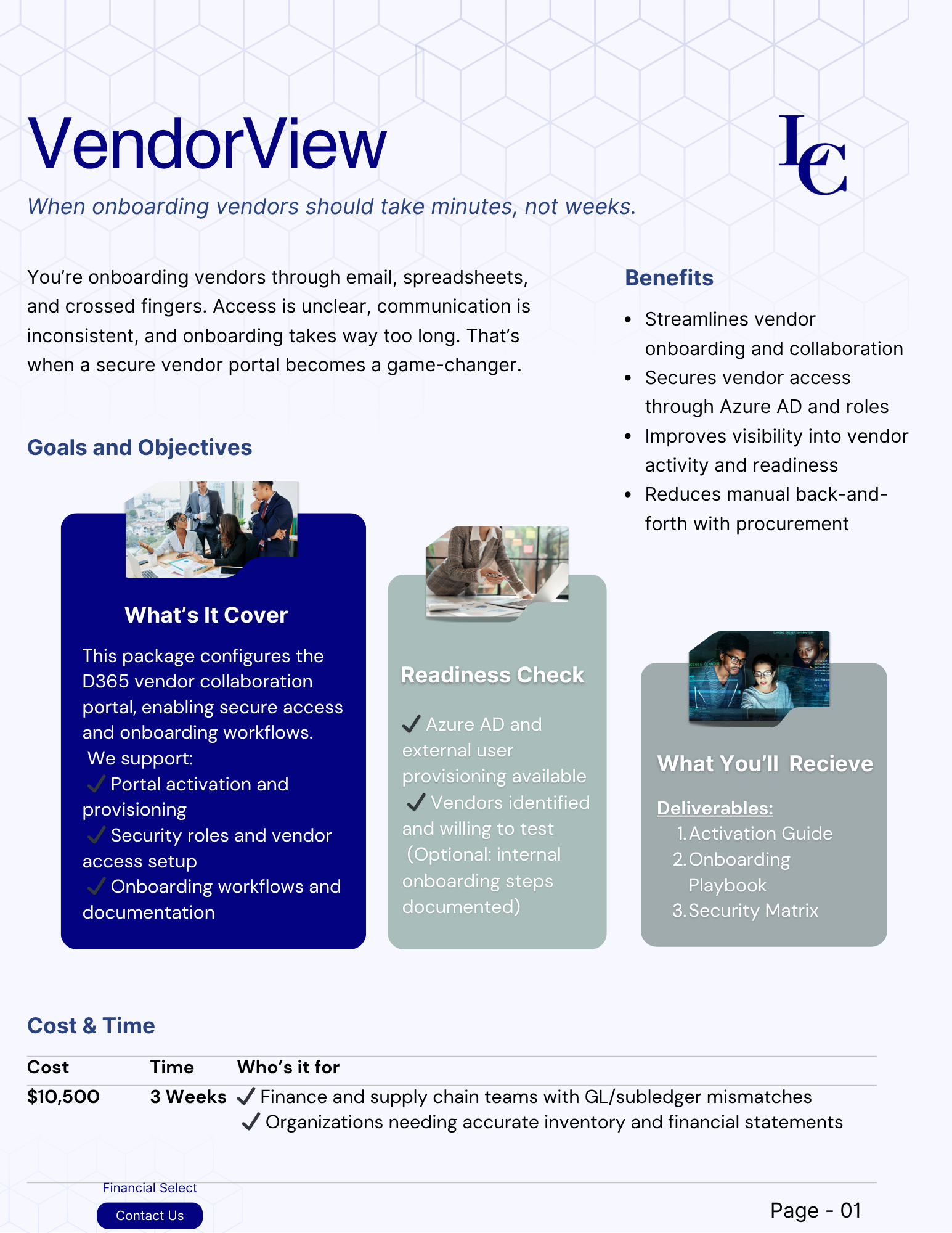


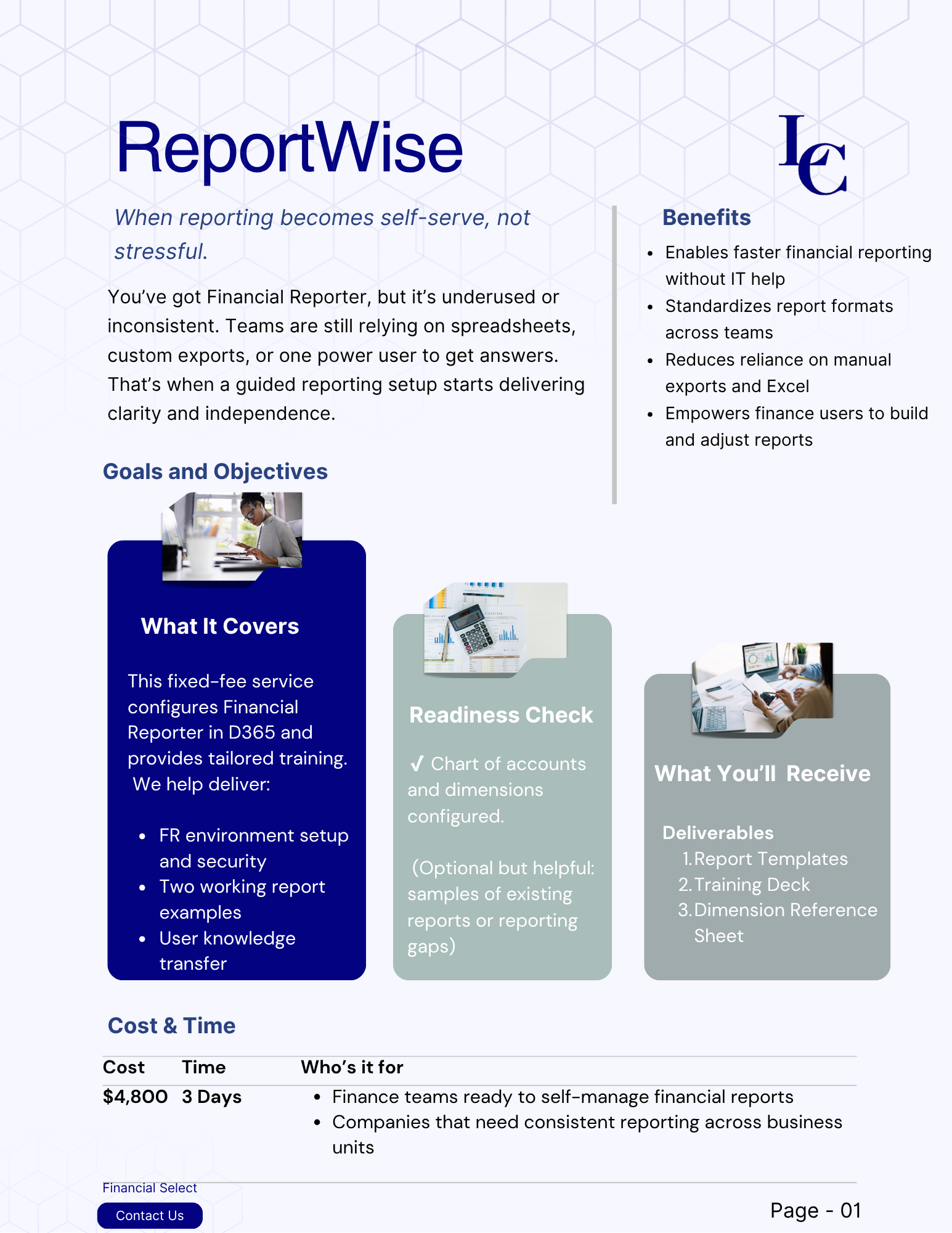
Reviews and corrects ledger-to-subledger alignment in D365 by fixing posting configurations, inventory profiles, reconciliation logic, GL mapping, and critical reporting procedures.
5 Signs Your QAD ERP Environment Needs a Mid-Year Health Check
Posted on: July 9, 2026 | By: Blake Moore | QAD Business Process, QAD Distribution, QAD Financials|QAD Business Process, QAD Manufacturing
The Signs
By the middle of the year, most organizations have a much clearer picture of what’s working and what’s not. For manufacturers running QAD, this is also a natural checkpoint to evaluate whether system setup, master data, planning parameters, reporting, and integrations still support current business priorities.
Production targets have either been met or missed. Inventory levels are trending in a particular direction. Customer demand patterns have emerged. Leadership teams are beginning to evaluate whether operational goals established in January are still realistic for year-end.
This makes mid-year an ideal time to evaluate not only business performance, but also the processes running through your QAD environment. A QAD ERP health check can help identify where the business has outgrown existing processes, where users have moved work outside the system, and where available QAD functionality may be underutilized.
Even organizations with a stable QAD implementation can develop inefficiencies over time. Business requirements change, personnel change, and workarounds often become permanent processes. The result is an ERP environment that may no longer be fully aligned with how the business operates today. For QAD customers, this can show up in planning reliability, Action Center adoption, reporting consistency, EDI performance, inventory visibility, and user confidence in system-generated recommendations.
Here are five common signs it may be time for a mid-year QAD process review. Use these as practical diagnostic questions for leadership, operations, supply chain, finance, IT, and customer service teams.

1. Employees Are Working Outside of QAD
One of the most common warning signs is when critical business processes begin moving outside the ERP system. When spreadsheets, Access databases, offline trackers, or personal reports become the daily source of truth, it usually indicates that QAD processes, reporting, or user adoption need attention.
Perhaps planners are maintaining inventory spreadsheets. Customer service teams have created their own order tracking reports. Finance exports large amounts of data into Excel every month to complete reporting requirements. In a QAD environment, this may also mean users are not taking full advantage of browses, Action Centers, dashboards, QAD Analytics, or role-based reporting tools that could provide better visibility with less manual effort.
These workarounds often develop gradually and with good intentions. However, they frequently lead to:
- Duplicate data entry
- Conflicting information between departments
- Increased risk of errors
- Reduced visibility across the organization
- Reduced confidence in QAD as the operational system of record
- Slower decision-making because teams are reconciling data instead of acting on it
QAD should serve as the primary source of operational data, and users should be able to access timely, role-relevant information without creating shadow systems. When users increasingly rely on spreadsheets and manual tracking tools, it often indicates opportunities to improve reporting, workflows, or user adoption. A useful mid-year diagnostic question is: which recurring spreadsheet would create the most operational risk if its owner were unavailable?
2. Your Planning Team Doesn’t Trust MRP
Material Requirements Planning (MRP) is one of the most valuable tools within QAD. Yet many manufacturers find their planners routinely overriding system recommendations. Common symptoms include frequent manual reschedules, expedite orders, buyers ignoring action messages, planned orders being changed outside the normal review process, and excess inventory existing alongside persistent shortages.
When this happens, the issue is rarely MRP itself. More often, it stems from underlying data or process issues such as:
- Inaccurate lead times
- Outdated planning parameters
- Poor inventory accuracy
- Incorrect safety stock settings
- Demand forecasting challenges
- Incorrect order policies, minimums, maximums, or order multiples
- Unreviewed item/site settings across multiple plants or warehouses
- Mismatch between planning assumptions and current supplier/customer behavior
When planners lose confidence in MRP recommendations, they compensate with manual decision-making. Over time, this can increase inventory carrying costs, reduce schedule stability, hurt on-time delivery, and create greater dependency on tribal knowledge.
A mid-year review is an excellent opportunity to validate planning parameters and ensure QAD is producing recommendations the business can trust. This review should include lead times, safety stock, order policies, ABC classifications, forecast consumption rules, item/site planning records, and the daily process planners use to evaluate MRP messages.
3. Reporting Requires Too Much Manual Effort
Leadership teams rely on accurate, timely information to make decisions. If generating reports requires significant manual effort each month, your reporting processes may need attention. This is especially important when executives are using manually prepared numbers to make decisions about service levels, inventory, production performance, or cash flow.
Common indicators include:
- Heavy reliance on Excel exports
- Multiple departments reporting different numbers
- Delayed month-end close activities
- Manual KPI preparation
- Limited visibility into real-time performance metrics
- Recurring debates over which report is correct
- Key metrics that require manual refreshes before leadership meetings
- Operational reports owned by one individual instead of a governed reporting process
QAD provides numerous opportunities to improve visibility through standard reporting, dashboards, Action Centers, and business intelligence solutions. Where appropriate, manufacturers may also improve visibility through QAD Analytics, Power BI reporting layers, standardized browses, automated extracts, and governed KPI definitions.
If reporting has become a monthly scramble, there may be opportunities to streamline how information is delivered across the organization. A practical mid-year question is: which reports take the longest to prepare, and which decisions would improve if those reports were available in near real time.
4. Integrations and EDI Processes Are Creating Bottlenecks
Modern manufacturers depend on far more than ERP alone. QAD commonly sits at the center of a broader application landscape that may include customer portals, supplier portals, warehouse systems, quality systems, shipping systems, financial platforms, and business intelligence tools.
Many QAD environments integrate with:
- EDI platforms
- Warehouse management systems
- Manufacturing execution systems (MES)
- Shipping solutions
- Customer relationship management (CRM) platforms
- Financial and banking systems
- Power BI or enterprise data platforms
- Transportation Management Systems (TMS)
- Quality Management Systems (QMS)
When these integrations begin experiencing failures or require frequent manual intervention, operational disruptions often follow. Even small integration issues can create downstream impacts when they affect inventory balances, ship confirmations, ASN accuracy, invoice timing, supplier schedules, or customer order status.
Warning signs may include:
- Inventory discrepancies
- Delayed order processing
- Manual data reconciliation
- EDI transaction failures
- Increased customer service issues
- Limited Monitoring of interface queues, error logs, or transaction exceptions
As businesses grow and transaction volumes increase, integration performance becomes increasingly important. A mid-year review can help identify issues before they begin impacting customers or production schedules. This review should evaluate the volume, frequency, failure points, ownership, monitoring, and exception handling process for each critical interface.
5. The Business Has Changed, but Your Processes Haven’t
Most manufacturers experience significant change throughout the year.
New customers are added. Product lines expand. Suppliers change. New facilities come online. Acquisitions occur. Market conditions shift. In QAD, those changes often require a fresh look at site structures, item/site records, planning policies, customer schedules, supplier lead times, approval workflows, reporting assumptions, and inventory policies.
Yet many organizations continue operating within ERP processes that were designed years earlier.
This disconnect can create inefficiencies that become more noticeable as the business grows.
Mid-year is a good time for leadership teams to evaluate:
- Planning parameters
- Approval workflows
- Master data governance
- Inventory policies
- Production reporting procedures
- KPI measurements
- Available-to-Promise / Capable-to-Promise assumptions
- Scheduling and production reporting processes
- Multi-site inventory visibility and transfer processes
- Customer and supplier schedule management
- Whether current QAD processes still match current roles and responsibilities
The goal isn’t necessarily to change the system. It’s to ensure the system still supports how the business operates today. In many cases, the highest-value improvements come from configuration cleanup, master data governance, reporting standardization, training reinforcement, and process alignment rather than a major implementation project.
A Practical Framework for a Mid-Year QAD Health Check
A structured QAD health check should evaluate five areas that directly affect operational performance:
- Master Data: Item/site data, lead times, order policies, BOMs, routings, customer records, suppliers, and inventory accuracy.
- Planning Configuration: MRP settings, safety stock, planning horizons, order modifiers, forecast assumptions, ATP/CTP usage, and planner work processes.
- User Adoption: Where users rely on spreadsheets, duplicate entry, manual approvals, or informal processes outside QAD.
- Reporting & Analytics: Standard reports, Action Centers, dashboards, KPI definitions, QAD Analytics, Power BI reporting, and month-end reporting effort.
- Integrations & Automation: EDI, CIM/QXtend, middleware, customer portals, warehouse systems, shipping systems, quality systems, and exception monitoring.
For example, a manufacturer may discover during a process review that planners are maintaining offline inventory and shortage spreadsheets because item/site planning parameters have not been reviewed in several years. By validating lead times, safety stock, order policies, and reporting visibility, the organization can reduce manual planning effort and improve confidence in MRP-driven recommendations. The specific improvement will vary by company, but the pattern is common: process friction often points to correctable gaps in data, configuration, reporting, or adoption.
Why Mid-Year QAD Reviews Matter
The most successful manufacturers treat ERP optimization as an ongoing continuous improvement initiative rather than a one-time implementation project. A mid-year review creates a defined checkpoint to confirm that QAD is still supporting growth, customer service, production execution, inventory control, and financial visibility.
Organizations that regularly evaluate their QAD environment are often better positioned to:
- Improve planning accuracy
- Increase inventory visibility
- Reduce manual work
- Improve reporting efficiency
- Strengthen supply chain execution
- Increase user adoption
- Support future growth initiatives
- Improve trust in MRP recommendations
- Reduce reliance on spreadsheet-based shadow processes
- Identify integration issues before they affect customers or production schedules
- Prioritize practical improvements with measurable business value
Many of the biggest improvements come from small process changes rather than major system overhauls. That makes a QAD mid-year health check a practical way to uncover quick wins while also building a roadmap for longer-term optimization.
Final Thoughts
Your QAD environment plays a critical role in supporting manufacturing operations, supply chain performance, and business decision-making. However, as your organization evolves, processes that once worked well may begin creating friction. The sooner those friction points are identified, the easier they are to address before they become larger operational, financial, or customer-service issues.
A mid-year review provides an opportunity to identify inefficiencies before they become larger operational challenges. It also gives leadership a fact-based view of where QAD is working well, where users need better tools or training, and where process changes could improve the second half of the year.
Sometimes a successful ERP reset doesn’t require a major project. It simply requires ensuring that your QAD processes, workflows, and reporting structures continue to align with the needs of the business today.
The organizations that take the time to evaluate and refine their ERP processes throughout the year are often the ones best positioned to finish the year strong.
If your organization recognizes several of these warning signs, consider a structured QAD Process Assessment or ERP Health Check. A focused review of planning, reporting, integrations, master data, and user adoption can help identify practical improvements that support better visibility, stronger execution, and more confident decision-making.