





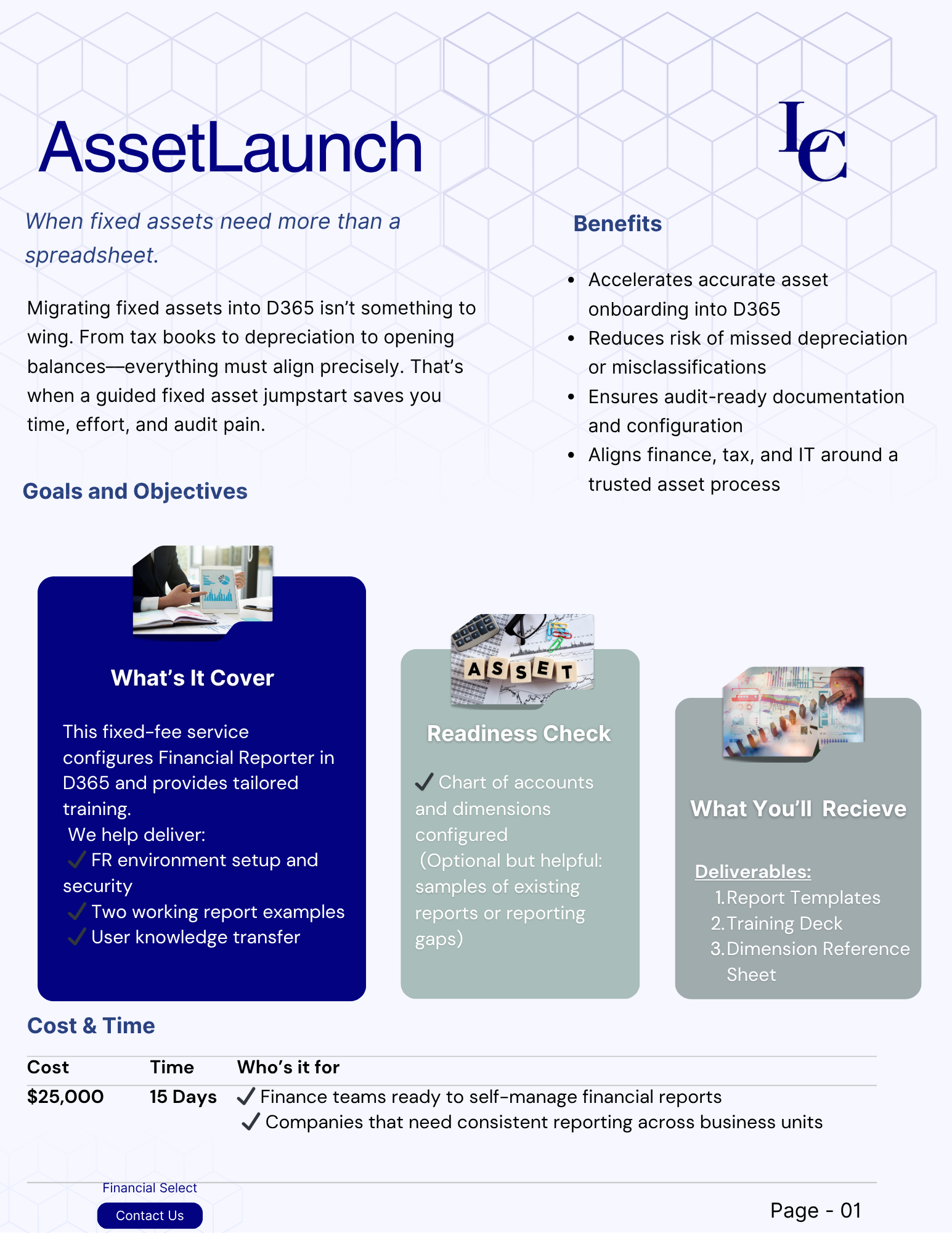
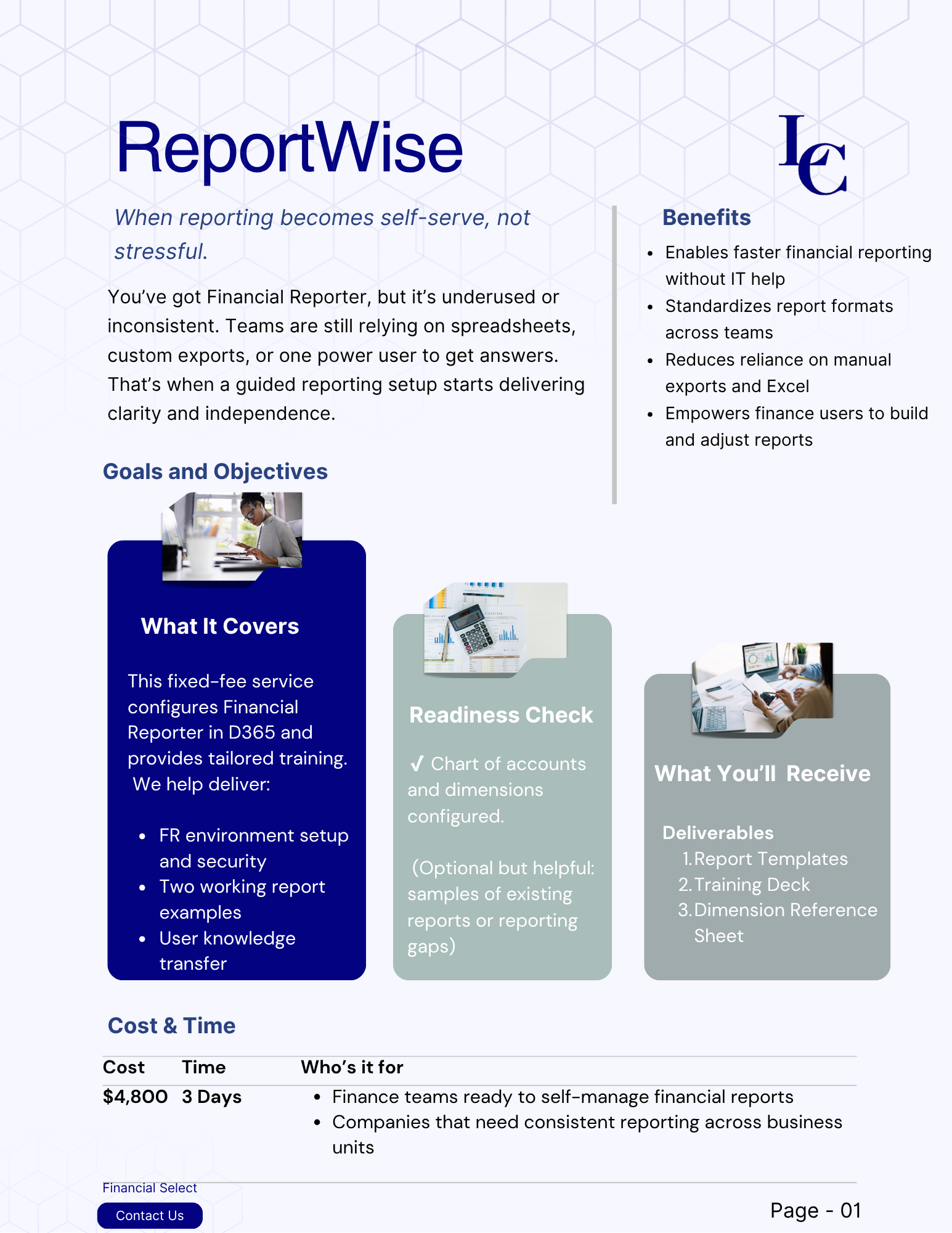
Reviews and corrects ledger-to-subledger alignment in D365 by fixing posting configurations, inventory profiles, reconciliation logic, GL mapping, and critical reporting procedures.
Microsoft Dynamics GP vs. Business Central: What are the Differences?
Posted on: April 22, 2021 | By: Guy Logan | Microsoft Dynamics GP
As Microsoft continues to release new information about Dynamics 365 Business Central, many clients are wondering about the future of Dynamics GP. Although we recently published a specialized resource page for companies considering the move from Dynamics GP to Business Central, we have yet to address an important question: What are the differences between Dynamics GP and Business Central?
Licensing
Dynamics GP offers flexible licensing options paid upfront or monthly with concurrent users, providing businesses with complete control over their infrastructure. However, upgrades are neither included in the software cost nor automatic and can be costly and time-consuming. Therefore, GP is not a truly cloud-based ERP platform.
Meanwhile, Business Central is a cloud ERP solution that is hosted on Microsoft Azure using a SaaS model. BC runs on a monthly subscription plan that allows for simple automatic upgrades and does not require physical IT infrastructure. While GP offers concurrent users, BC requires individual licenses for each user. Businesses are faced with the option of choosing essential or premium functionality, as all users must have the same license type. Team Member licenses are also available at a much lower cost for users who will be read-only or do basic tasks such as expense approvals.
Features
Dynamics GP provides a variety of financial functionalities such as Payroll, E-Banking, Inventory Tracking, Purchase Orders, manufacturing, and more. However, many users require add-ons to take full advantage of budgeting and financial reporting. With additional costs, users can integrate GP with Power BI and Dynamics CRM.
Business Central offers more flexible core financial functionalities than Dynamics GP, especially with the Business Central Premium licensing. One of BC’s most prominent advantages is its automated and scheduled reconciliations and seamless integrations for warehousing capabilities. Furthermore, BC can be easily integrated with Power BI, and elements of Dynamics CRM are already included within the BC software and can be easily further integrated, as well.
Add-Ons
Upon purchase of a Dynamics GP license, users are given basic financial and distribution functionalities and can add Project Accounting or Manufacturing. Businesses can purchase add-on packages to extend functionality for additional manufacturing, services, customizations, and advanced payroll/HR needs. Dynamics GP has a vast network of ISV add-ons available through partner companies.
Business Central provides an easy way for businesses to integrate add-on functionalities and extensions. Through Microsoft AppSource, BC users are able to try out and purchase extensions or third-party apps, which can then be installed in BC, Power BI, or Azure web apps. These add-ons update with Business Central, allowing for simplicity and consistency across the platform.
Pricing
Compared to Dynamics GP’s pricing model, Dynamics BC’s pricing scheme can seem expensive. However, BC’s licensing fees are all you need to run the platform – You won’t need a server, SQL/Database licensing, Windows Server licensing, or back up tool licensing. Once you take into account these additional costs, Business Central often comes out to be cheaper than GP. If you are interested in seeing a GP vs. BC cost comparison for your business needs, please feel free to contact us.
Next steps
Logan Consulting has helped many clients with Dynamics GP and Dynamics BC. If you would like to explore a move from GP to Business Central, or if you would like to find out how Logan Consulting can support your GP environment, please feel free to contact us with any questions.