



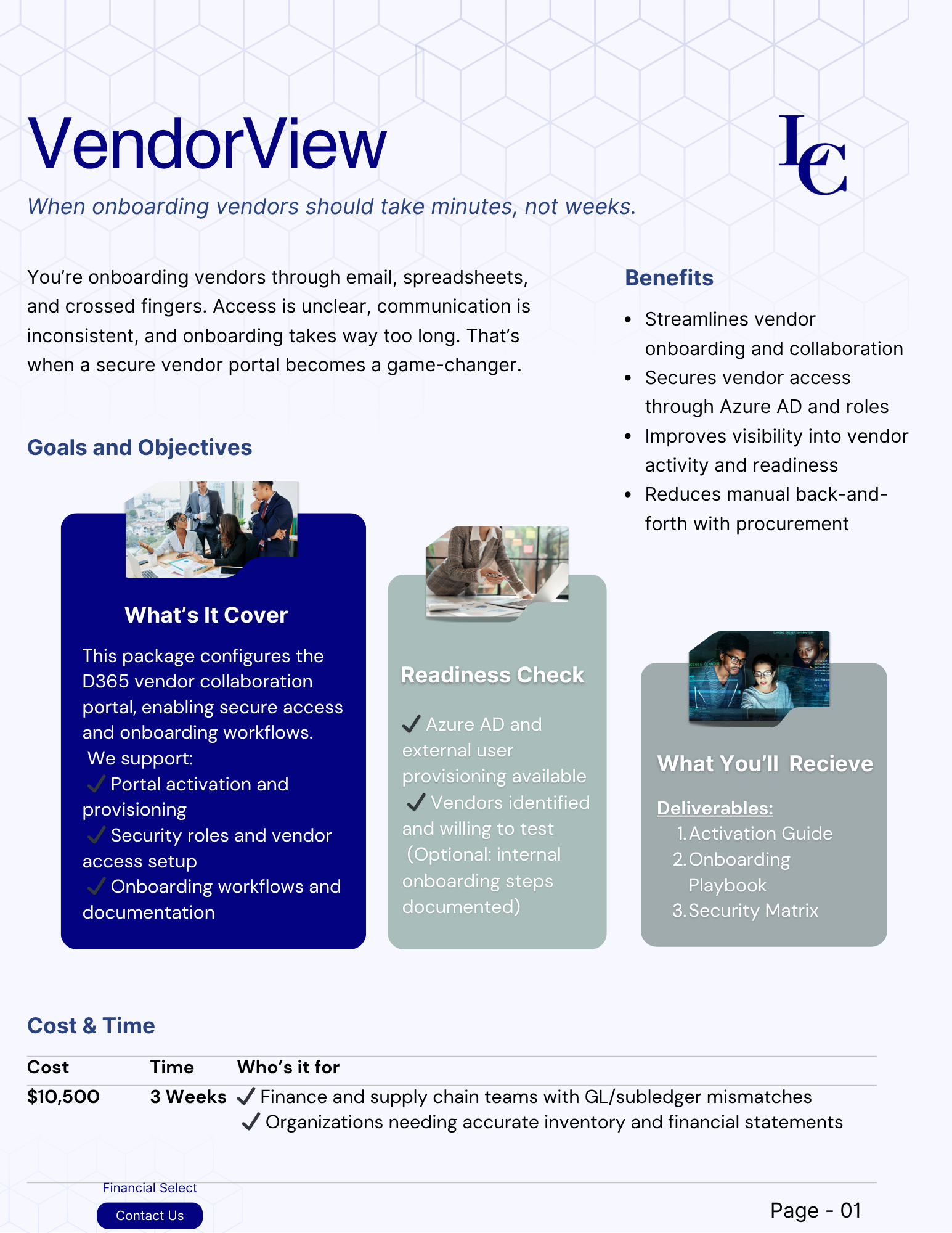


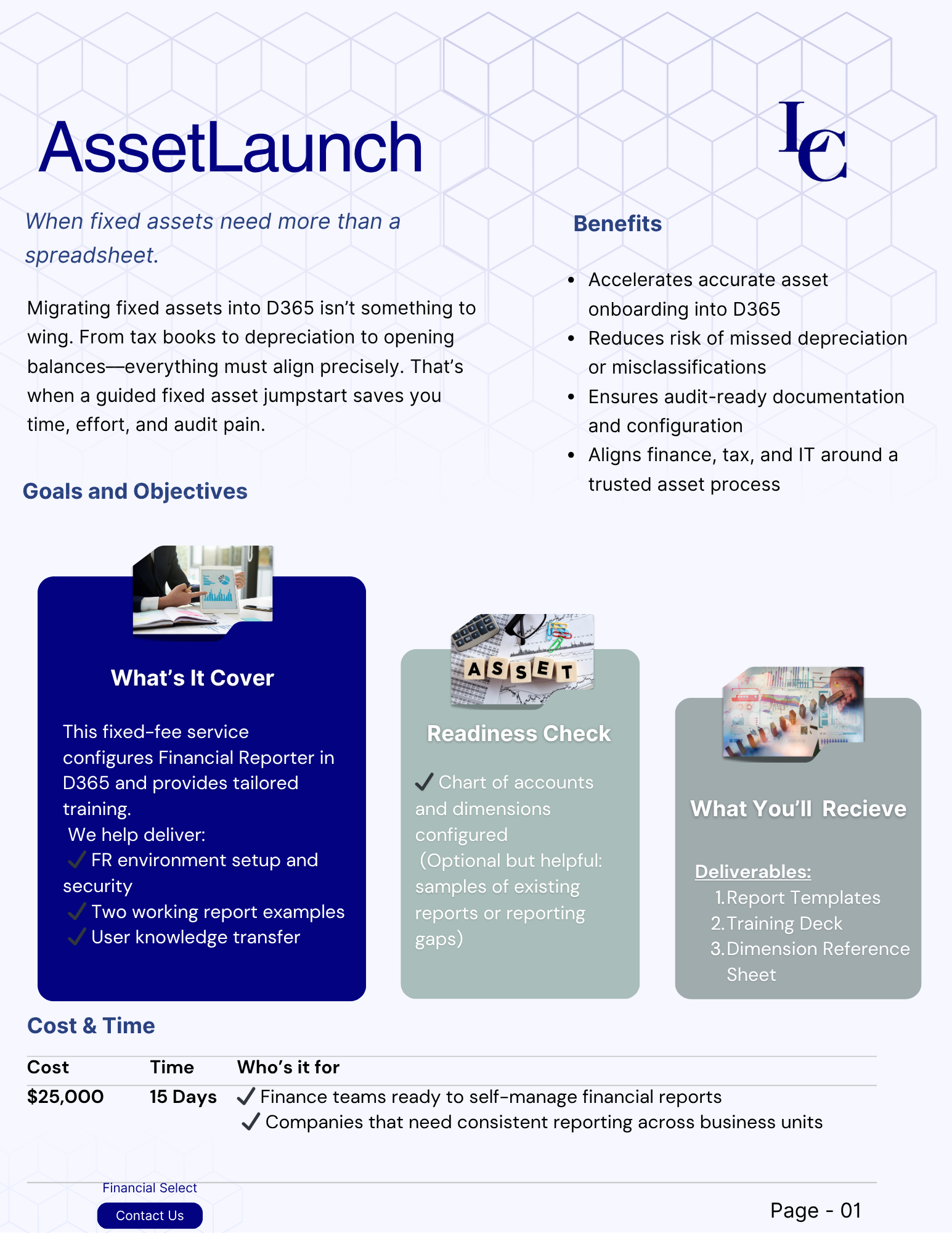
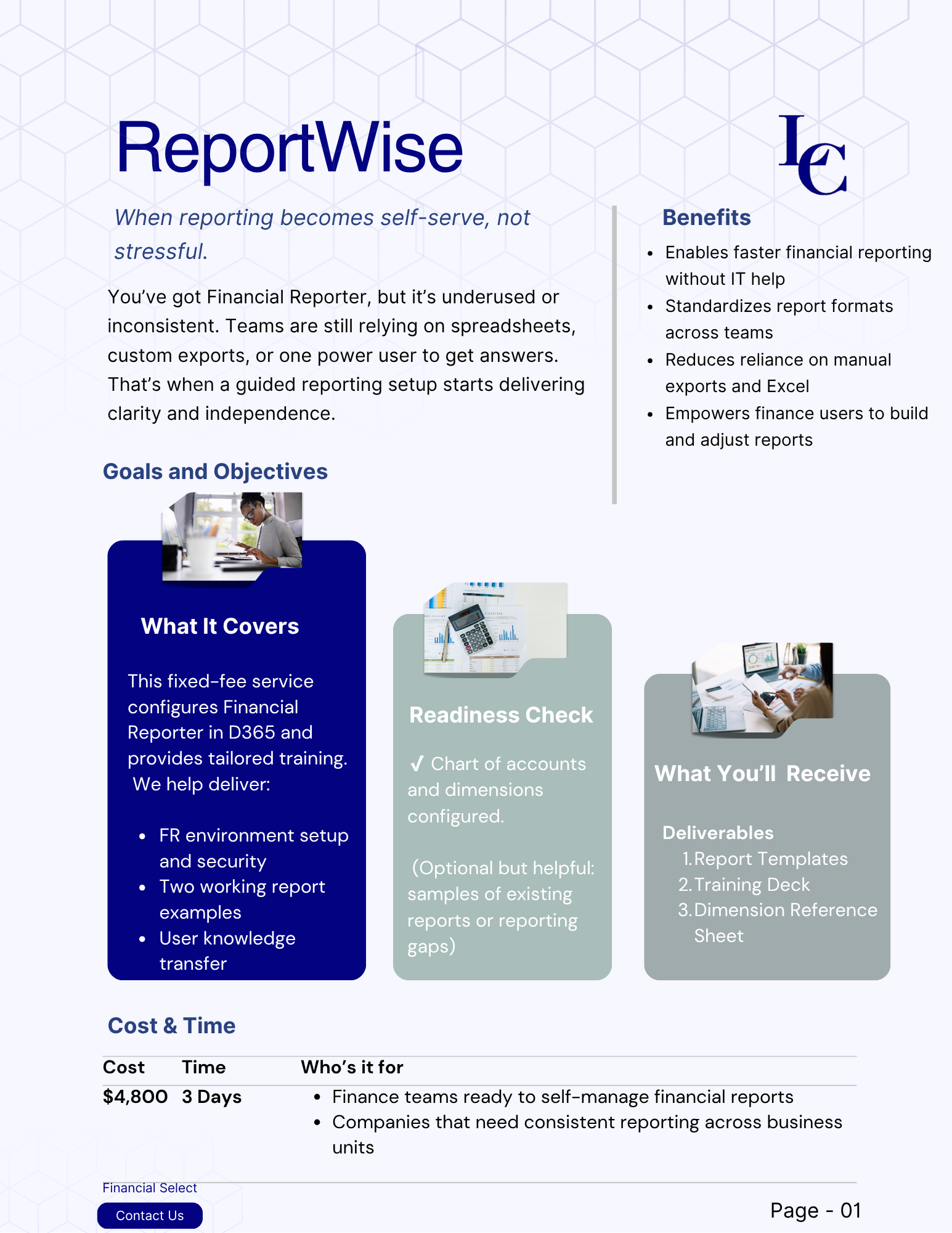
Reviews and corrects ledger-to-subledger alignment in D365 by fixing posting configurations, inventory profiles, reconciliation logic, GL mapping, and critical reporting procedures.
From Dynamics GP to Business Central, and Beyond: Mapping Your Full ERP Modernization Path
Posted on: July 9, 2026 | By: Jackson Morris | Microsoft Dynamics GP
Many Dynamics GP customers are asking the same question right now: what comes next? With Microsoft’s support timeline for GP now finalized, that question has moved from “someday” to “soon.” But the most common mistake organizations make is treating this as a single decision: stay on GP or move to Business Central. In reality, it’s often the first step in a longer modernization path. For most midmarket companies, Business Central is the right long-term home. For a smaller group of organizations with more complex, high-growth operations, Business Central is itself a stepping stone toward Microsoft’s enterprise-tier platform, Dynamics 365 Finance & Supply Chain Management (F&SCM). Understanding both moves, and how they connect, helps organizations make a decision they won’t need to revisit in a few years.

Why GP Customers Are Rethinking Their ERP Strategy Now
Microsoft’s timeline for Dynamics GP is no longer a moving target. Mainstream support, including product enhancements, tax updates, and technical support, ends December 31, 2029, with security updates continuing only through April 30, 2031. Combined with earlier restrictions on new license sales, the direction is clear even if the deadline still feels distant.
This isn’t a reason to panic. GP will continue running for organizations that stay on it. But ERP migrations typically take many months once data cleanup, process redesign, testing, and user training are factored in. As the GP ecosystem shrinks, specialized consultants and third-party add-ons will also become harder to find. Organizations that start planning early have far more control over cost, timeline, and outcome than those who wait.
Business Central: The Natural First Step for Most GP Organizations
For the majority of GP users, Business Central is the clear next platform. It shares Microsoft’s cloud-first architecture, integrates natively with Microsoft 365 tools like Excel, Outlook, and Teams, and offers structured migration tools built specifically to move GP data into a modern environment.
For organizations with a single entity or a handful of entities, standard financial reporting needs, and moderate transaction volume, Business Central provides everything GP delivered, plus continuous updates and modern usability, without introducing the added complexity of an enterprise platform they don’t yet need.
When Business Central Becomes a Bridge, Not a Destination
Some organizations outgrow Business Central over time. This is more common among businesses with rapid growth, multiple international subsidiaries, complex multi-site manufacturing, or transaction and user volumes that push well past what a streamlined SMB platform is designed to handle.
Common signs include heavy manual work to consolidate financials across many entities, a need for advanced production scheduling across multiple facilities, and expanding operations into regions with more demanding local tax and compliance requirements. For these organizations, Dynamics 365 Finance & Supply Chain Management represents the next tier of Microsoft’s ERP portfolio, built for greater depth in financial consolidation, manufacturing, and supply chain planning.
Business Central vs. F&SCM: Two Tiers, Not Two Competitors
Business Central and F&SCM aren’t rival products competing for the same customer. They’re built for different levels of operational complexity within the same Microsoft ecosystem. Business Central is designed for fast implementation, straightforward configuration, and cost efficiency. F&SCM offers greater configurability and depth for organizations managing complex, high-volume, multi-entity operations at scale.
The right platform depends on business requirements: primarily the number of entities involved, transaction volume, and the sophistication of manufacturing or supply chain processes. Neither platform is universally better; each is built for a different stage of organizational complexity.
Building a Modernization Roadmap, Not Just a Migration Plan
Organizations planning their move off GP benefit from looking three to five years ahead before committing to a platform. A company expecting significant growth, additional entities, international expansion, or more complex manufacturing may want to factor a future move to F&SCM into its initial planning, even if Business Central is the immediate destination. Thinking this through early helps avoid re-platforming twice and allows data structures, processes, and change management to be designed with the eventual endpoint in mind, rather than only the next step.
Next Steps
Whether your organization is planning its first move off Dynamics GP or evaluating whether Business Central still fits your growth trajectory, the decision is best made with the full path in view rather than one step at a time. Logan Consulting works with organizations across both Business Central and Dynamics 365 Finance & Supply Chain Management, helping companies choose, implement, and scale into the platform that matches where their business is headed. Contact Logan Consulting today to build a modernization roadmap tailored to your organization’s current needs and long-term growth plans.