

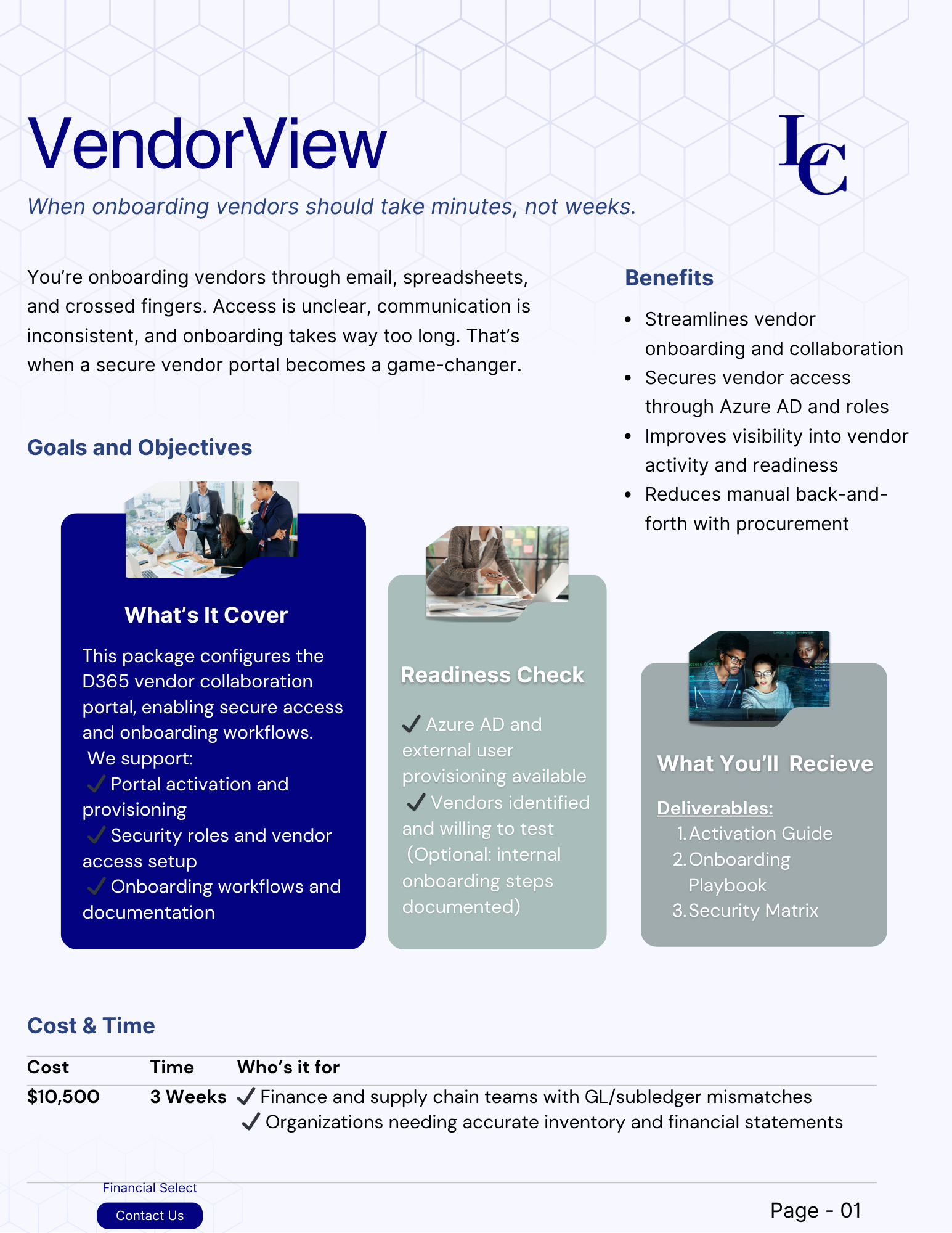


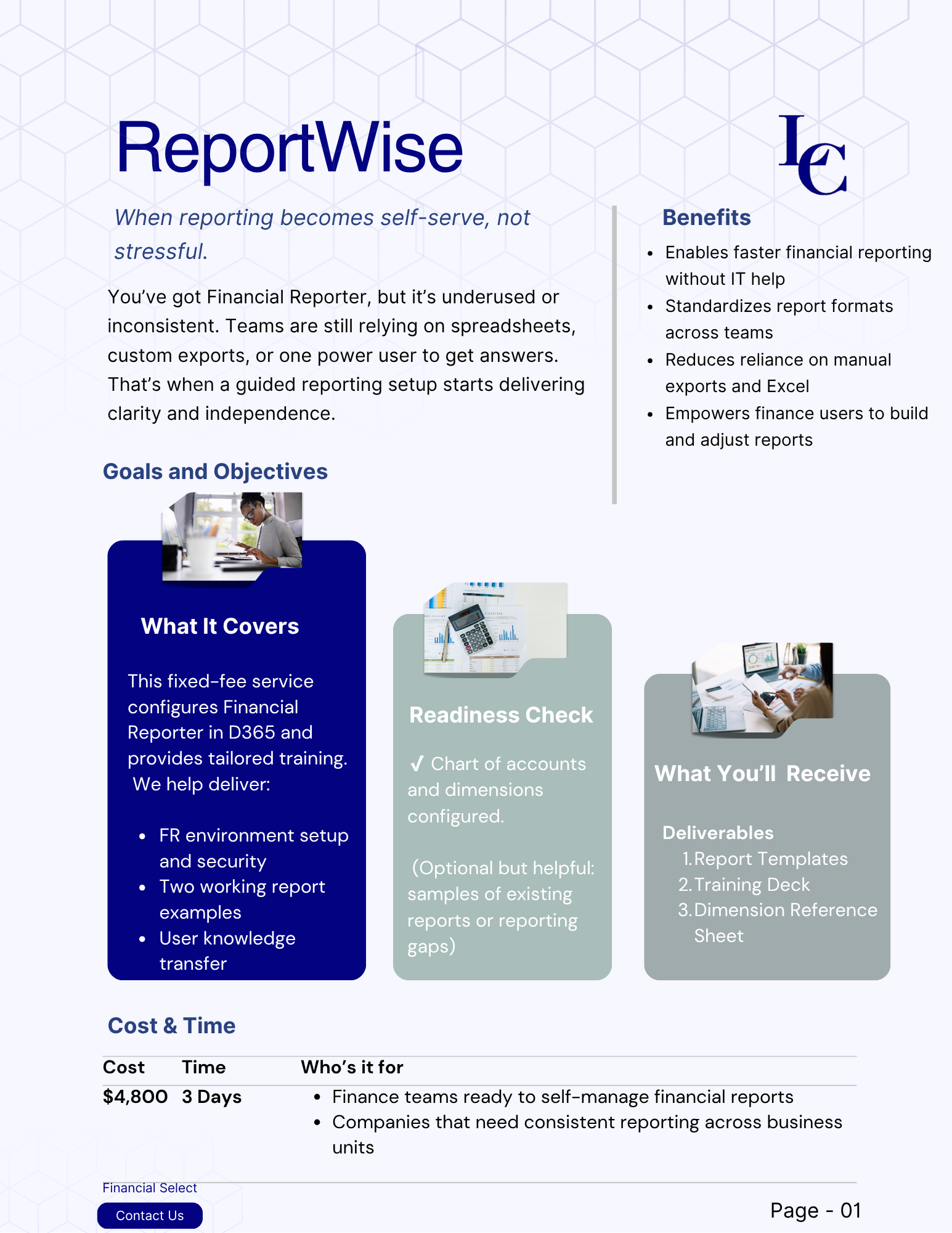
Reviews and corrects ledger-to-subledger alignment in D365 by fixing posting configurations, inventory profiles, reconciliation logic, GL mapping, and critical reporting procedures.
The Hidden Cost of Doing Nothing
Posted on: October 10, 2025 | By: Alexa Leitner | ERP Selection|QAD Business Process
Your ERP system worked fine five years ago. And honestly, that made perfect sense back then. But as your business has grown and changed, those same systems might be working harder than they should. Without realizing it, you might be paying a hidden cost for keeping things as they are.
What Staying Put Really Costs
- Time slips away gradually. Your team likely spends extra minutes here and there working around system limitations. They export data to Excel because the ERP reports aren’t quite right. They manually update information that could sync automatically.
Those minutes add up to hours. Hours become days. Days turn into weeks of lost productivity. It’s not anyone’s fault – it’s just what happens when systems don’t quite fit anymore.
- Spreadsheets often become the backup plan. When your ERP feels too slow, complicated, or is missing features you need, your team naturally finds workarounds. They create tracking sheets that make sense to them. Build helpful systems in Excel. Manage inventory in separate files that actually work.
- You end up in an awkward spot: paying for an ERP system that doesn’t fully serve your needs, while critical business data lives in individual solutions your team has created.
Process Bottlenecks Pile Up
- Manual approvals wait in email inboxes. Purchase orders get printed, signed, and scanned back in. Financial reporting takes longer because data has to be gathered from multiple places.
- Your best people feel the strain. Smart employees want to focus on meaningful work, not repetitive tasks or fighting with difficult software. When systems create friction, it affects everyone’s job satisfaction.
The Real Numbers
Here’s what many businesses experience when systems haven’t kept pace with growth:
- 25-35% more time spent on routine data management
- 20% higher error rates from manual entry and spreadsheet management
- 30% longer cycle times for key business processes
- 15-20% higher operational costs year over year
These aren’t sudden disasters. They’re gradual increases that become part of normal operations.
When Systems Can’t Keep Up
- Data confidence wavers. Version control gets tricky when work happens across spreadsheets. It becomes unclear which file has the current numbers. Meanwhile, official processes struggle to match business reality.
- Collaboration becomes challenging. Files get shared back and forth. Updates sometimes get missed. Teams end up working separately because systems don’t connect easily.
- Decision-making takes longer. Good choices need reliable data and clear processes. When information is scattered and workflows have extra steps, decisions naturally take more time and feel less certain.
- Compliance gets complicated. Auditors need clear process trails, which become difficult when work spans multiple files and manual steps. Maintaining proper oversight becomes more challenging.
The Competitive Landscape
Some of your competitors are likely investing in updated systems and streamlined processes. They’re automating certain workflows and getting faster access to business insights. This doesn’t mean you’re doing anything wrong – but it does mean the landscape around you is shifting.
Moving Forward
Keeping things as they are feels comfortable and predictable. And there’s real value in stability. But there’s also value in systems that truly support your team and processes that feel natural rather than burdensome.
The question isn’t whether staying put has costs – it’s whether those costs are worth it compared to the benefits of systems that fit better. Your team works hard every day. They deserve tools that work with them, not against them.

Next Steps
If you’re ready to elevate your team’s QAD expertise, we’re here to help. Logan Consulting specializes in QAD training tailored to your organization’s unique needs. Contact us today at info@loganconsulting.com or call (312) 345-8817 to learn more about how we can support your team’s growth and development.