


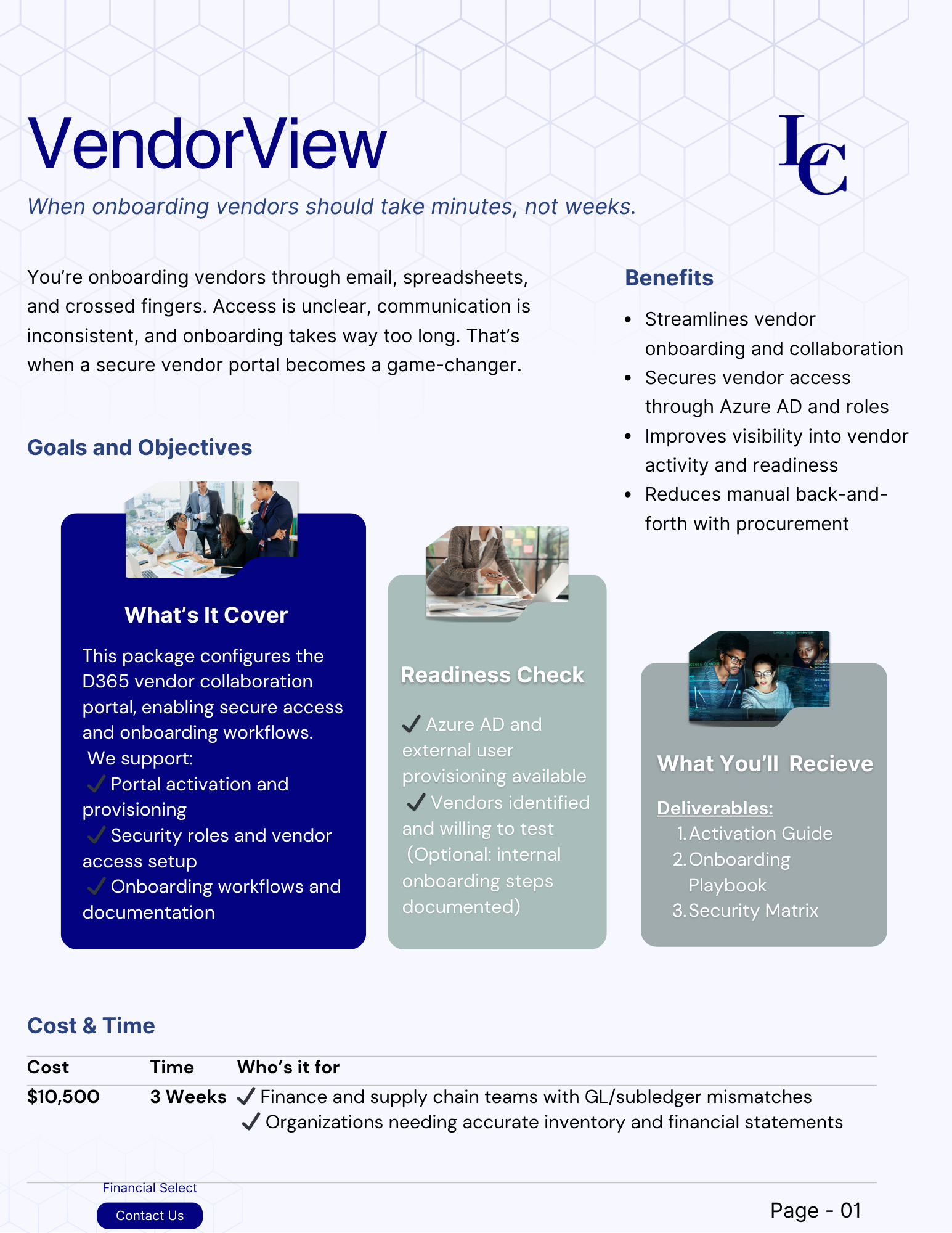


Reviews and corrects ledger-to-subledger alignment in D365 by fixing posting configurations, inventory profiles, reconciliation logic, GL mapping, and critical reporting procedures.
QAD Certifications, Experience, and References: What Actually Matters When Vetting a Partner
Posted on: March 16, 2026 | By: Blake Moore | Uncategorized, QAD Financials, QAD Manufacturing, QAD Business Process, QAD Distribution, ERP Selection|QAD Business Process, QAD Financials|QAD Business Process
Selecting a QAD implementation partner is one of the most important decisions organizations make during an ERP transformation. While many firms highlight certifications, team size, or global reach, these metrics alone do not necessarily translate into a successful implementation. Companies evaluating partners should look deeper, focusing on practical experience, proven methodologies, and the ability to support long-term operational success.
Certifications Are the Starting Point, Not the Outcome
While certifications demonstrate platform knowledge, experience often determines whether a project succeeds. Ask anyone who has hired a PMO Certified resource for Project Management, experience matters. ERP systems interact with complex business processes, industry vertical requirements, data structures, and operational workflows that cannot be fully replicated in a training environment. Organizations should view certifications as the foundation of technical competence, not the sole indicator of expertise.
Implementation Experience in Real Manufacturing Environments
ERP implementations are rarely purely technical projects. They require a deep understanding of how manufacturing and supply chain operations function in practice.
When evaluating a QAD partner, organizations should consider whether consultants have experience with:
• Discrete, process, or mixed-mode manufacturing environments
• Complex supply chain planning and forecasting
• Regulatory requirements in industries such as life sciences, food and beverage, or automotive
• Multi-site or global manufacturing operations
Partners with significant industry experience are often better equipped to identify process improvements, anticipate operational challenges, and guide organizations toward best practices within the QAD ecosystem.

Methodology and Process Knowledge
A successful ERP project depends not only on technical configuration but also on the implementation methodology guiding the project. The most effective methodologies start with business process analysis before system configuration. Partners who lead with, “How does your business operate?” rather than “Here’s what the system can do” tend to deliver implementations that feel like natural extensions of existing workflows rather than disruptive overhauls.
Strong QAD partners typically bring structured frameworks that address:
• Business process analysis and design
• Data migration and validation
• Integration with surrounding systems
• User training and change management
• Go-live planning and stabilization
Organizations should ask how a partner approaches these phases and whether they have repeatable processes built from previous implementations. A well-defined methodology helps reduce risk, improve project transparency, and keep implementation timelines predictable.
References and Long-Term Client Relationships
References and long-term client relationships often provide the clearest indication of an implementation partner’s ability to deliver measurable results. Certifications confirm technical knowledge, but successful implementations depend on manufacturing expertise, proven methodologies, and a partner’s willingness to prioritize business outcomes such as EBITDA improvement or bottom-line returns over system features.
Organizations are wise to ask detailed questions, review references carefully and ensure alignment between their business goals and the partner’s approach. The right partner becomes a trusted advisor, not just during the implementation, but throughout the system’s lifecycle.
Next Steps
For more QAD implementation Tips and Tricks contact our experts here.