

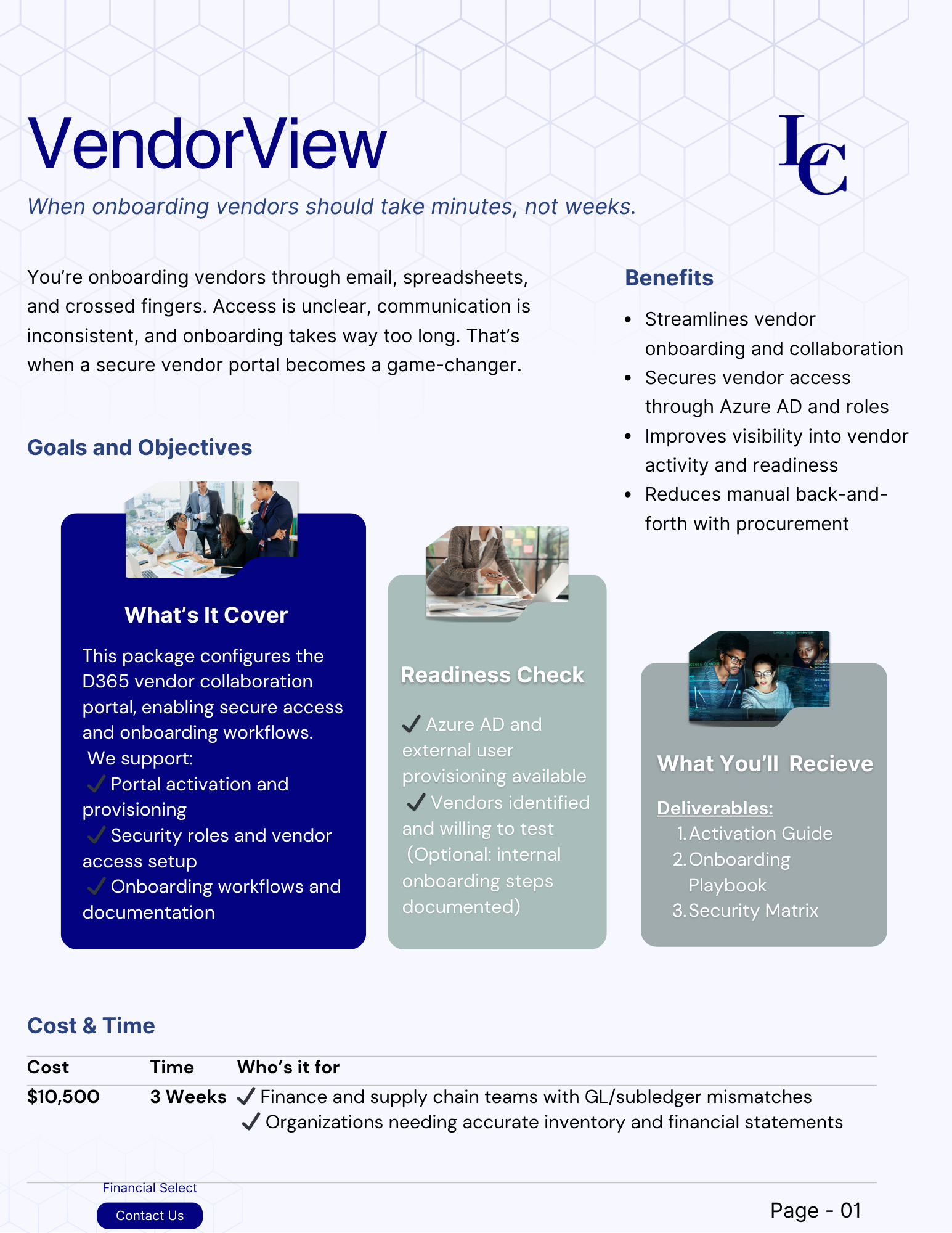


Reviews and corrects ledger-to-subledger alignment in D365 by fixing posting configurations, inventory profiles, reconciliation logic, GL mapping, and critical reporting procedures.
One Version of the Truth with QAD ERP
Posted on: October 6, 2015 | By: David Kwo | QAD Business Process
In meeting with clients, one of the biggest complaints that we hear is their inability to get to one version of the truth on critical benchmarks like gross margin, inventory levels or production schedules. There are many reasons why we hear different versions of the truth from different individuals throughout an organization. There is the case of a lack of integration, the issue of people only trusting their gut, employee’s who are working in silos, a poor set of master data, and…the list goes on and on. These multiple “truths” then lead to countless meetings where no one can agree to what the problem is, let alone try and solve it.
For a while, Business Intelligence software was perceived to be the Holy Grail of fixing these issues. Its promise was similar to that of the promise ERP systems made during the Y2K era in the late 1990’s. However, a report by the Aberdeen Group states that organizations still continue to spend months, if not years, and endure significant costs to obtain the reporting and analysis capabilities that BI promised. After money and time is spent, consumers then find that different ‘versions of the truth’ still exist. In recent years, there is a growing belief that one version of the truth is a nirvana that is not achievable realistically. Supporting this believe is the realization that more and more companies have concluded that there is no single vendor that has the best solution for all of their needs. Thus they are adopting a best of breed approach which is adding to the number of data sources, instead of reducing them. The result is more fuel on an already out of control fire.
We wish there was a magic solution to solve this problem, but there isn’t. However, we disagree that a single version of the truth is unattainable. Our experience is that companies can arrive at this coveted destination by making a commitment to do the unglamorous, tedious, but oh so necessary process of defining, agreeing, and committing to Enterprise-wide Data Standards. When we take companies through this journey, the first step is to begin with the end of mind.
To give you an example, let’s look at sales reporting. First you need to decide how your sales are broken out, by territory, within a region, or by country? Do you need it to roll up globally? Specific to sales analysis, do you require reporting on open past due orders? If your requirements are similar to these, then you probably have roughly seven standards that you have to develop from the beginning in order to use either in your ERP system for reporting, or to transform into whatever you report with (B.I. Tool, Excel, Access). Our experience is that whether you use outside assistance or you develop internally, a strong facilitator is a must. Too many times, we’ve seen companies attempt this without strong leadership, resulting in this discussion deteriorated into the weeds and the big picture becoming lost.
With the pace of change in today’s world, these standards will probably need to be updated as your customer or business requirements change. Our experience is that this is where the breakdown most often happens, the standards are changed locally, not globally. We call this addressing the strategic, and automating the tactical. While many companies believe one version of the truth is unattainable, we have enough clients who are living this to know that is not true. It does require the discipline to follow a plan and then adhere to it, nothing is magical. But as we often say, ordinary things done consistently produce extraordinary results.
If you are looking for a new ERP solution or ERP consulting, contact Logan Consulting your Chicago based technological consulting partner,