



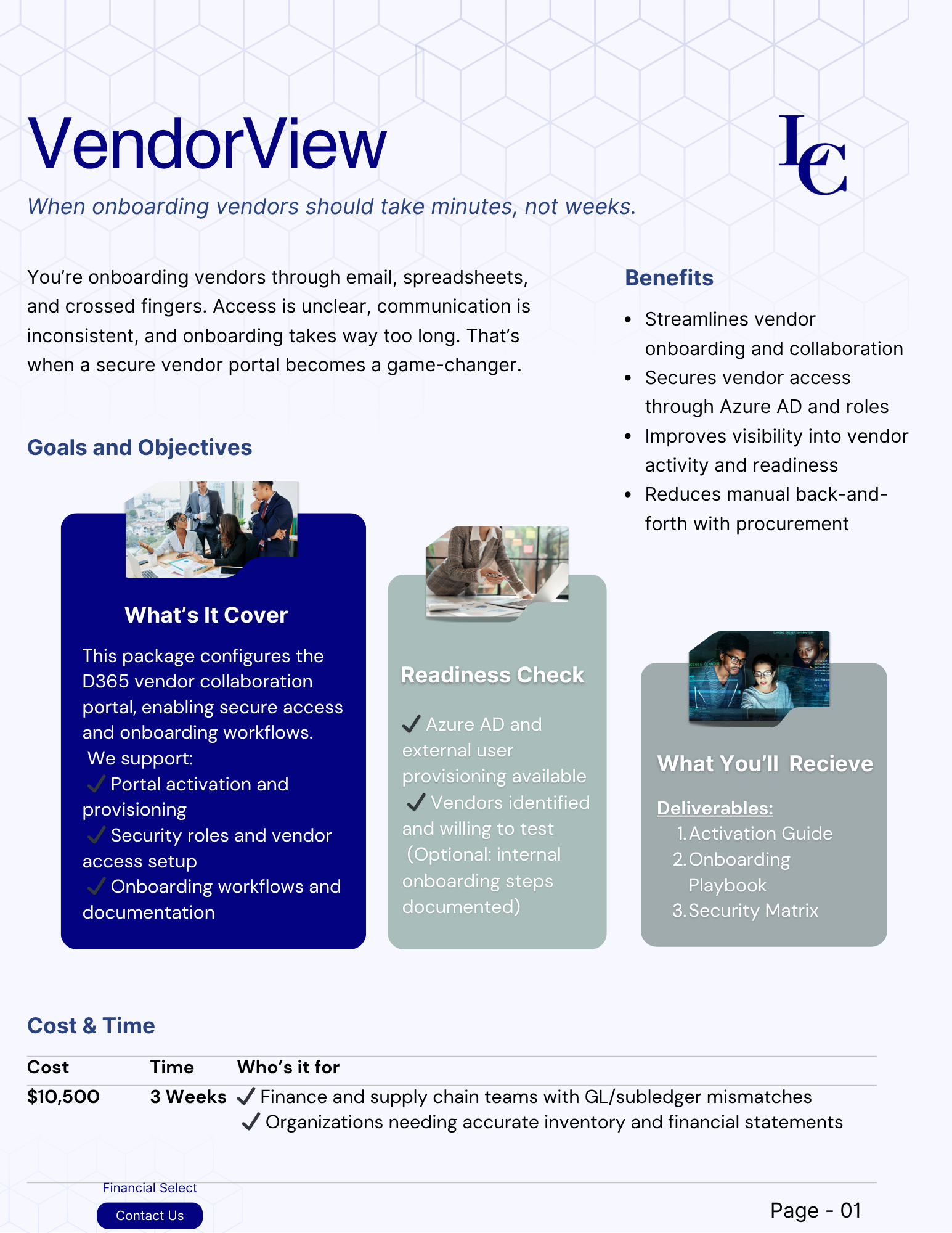


Reviews and corrects ledger-to-subledger alignment in D365 by fixing posting configurations, inventory profiles, reconciliation logic, GL mapping, and critical reporting procedures.
Managing Deductions: How Deductions Can Be Set Up to Fit Business Needs in QAD AUX
Posted on: April 13, 2026 | By: Blake Moore | ERP Selection, ERP Selection|QAD Business Process, QAD Financials|QAD Business Process, QAD Manufacturing
In today’s complex customer and supplier environments, deductions are inevitable. Whether tied to promotions, freight disputes, quality issues, or pricing discrepancies, businesses need a structured way to manage them without disrupting cash flow or creating reconciliation chaos.
That’s where QAD AUX provides flexibility — allowing organizations to configure deduction management in a way that mirrors their real-world processes rather than forcing teams into rigid workflows.
Why Deduction Management Matters
In many organizations, deductions are a routine part of doing business. Customers may take deductions for promotional agreements, freight discrepancies, pricing differences, or product quality concerns. When these deductions are not managed through a structured process, they can lead to delays in cash application, increased manual reconciliation work, and limited visibility into the true causes of revenue adjustments. QAD AUX provides organizations with the ability to manage deductions within the system in a way that reflects how the business actually operates, helping teams maintain financial accuracy while improving operational efficiency.
Structuring Deductions Around Your Business
One of the key advantages of QAD AUX is the flexibility it provides when configuring deduction management. Rather than forcing organizations into a rigid process, deductions can be structured in a way that aligns with existing business workflows. This allows companies to define deduction types, ownership, and processes that reflect their real-world operations.

1. Business Purpose
Deductions can be categorized based on the reason they occur. For example, organizations may configure separate deduction types for promotional allowances, freight adjustments, early payment discounts, quality claims, or pricing disputes. By separating these deductions into meaningful categories, finance teams can track and analyze them more effectively. This structured approach helps organizations understand why deductions are occurring and identify patterns that may indicate process improvements or operational issues.
2. Ownership & Responsibility
Not all deductions should be handled solely by the accounting department. In many cases, other teams within the organization are better equipped to investigate and resolve the issue. QAD AUX allows deductions to be aligned with the appropriate department responsible for addressing them. Sales teams may manage promotional deductions, customer service teams may handle shipment discrepancies, and quality teams may address claims related to damaged or defective products. Assigning ownership in this way creates accountability and ensures that deductions are resolved by the teams most familiar with the underlying business activity.
3. Workflow Alignment
Deductions can also be configured to follow workflows that mirror the organization’s operational structure. In many cases, customer-facing teams may document or initiate the reason for a deduction, while other functional teams review and validate the information. Accounting can then apply the appropriate financial treatment once the deduction has been reviewed. Structuring the process in this way reduces unnecessary back-and-forth between departments and helps ensure deductions are properly reviewed before being finalized.
4. Reporting & Visibility
A well-defined deduction structure also improves reporting and visibility across the organization. When deductions are categorized and tracked consistently, companies can generate reports that provide insight into deduction trends, customer behaviors, and recurring operational issues. This level of visibility allows leadership teams to identify opportunities for improvement and address the root causes of deductions rather than simply writing them off.
Supporting Both Control and Flexibility
Effective deduction management requires a balance between financial control and operational flexibility. QAD AUX supports this balance by allowing organizations to standardize how deductions are recorded while still giving different departments the ability to participate in the resolution process. With proper configuration, businesses can maintain clear audit trails, ensure financial accuracy, and improve collaboration across teams.
When deductions are structured to align with business needs, organizations can significantly improve how they manage revenue adjustments. Resolution times can be reduced, cash application becomes more efficient, and teams gain better visibility into the reasons deductions occur. By leveraging the flexibility of QAD AUX, companies can transform deduction management into a structured, transparent process that supports both operational efficiency and stronger financial oversight.
Next Steps
For more QAD implementation Tips and Tricks contact our experts here.