



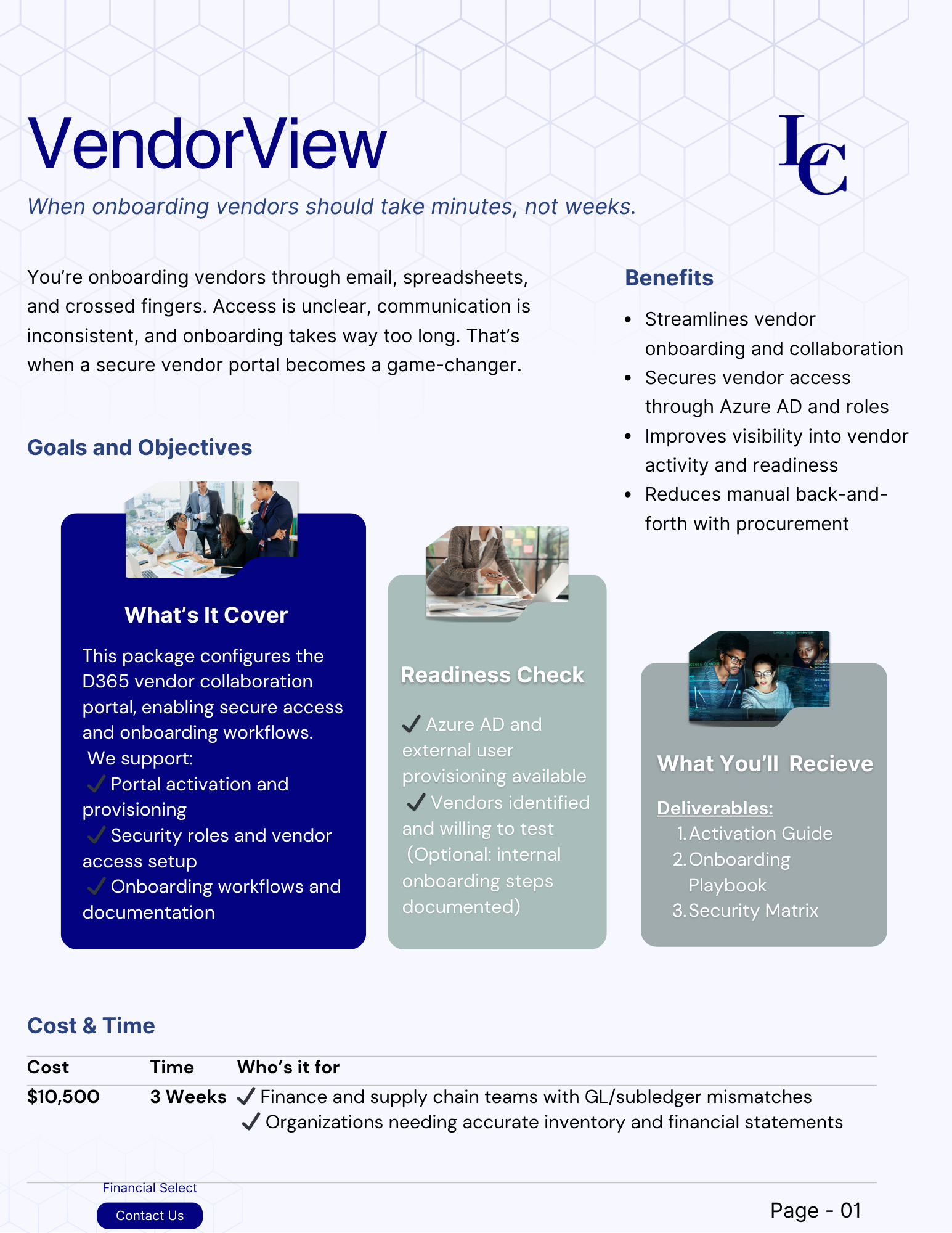


Reviews and corrects ledger-to-subledger alignment in D365 by fixing posting configurations, inventory profiles, reconciliation logic, GL mapping, and critical reporting procedures.
Closing the Execution Gap: How QAD Aligns Planning with Reality
Posted on: April 8, 2026 | By: Blake Moore | ERP Selection, ERP Selection|QAD Business Process, QAD Distribution, QAD Financials, QAD Financials|QAD Business Process, QAD Manufacturing
In manufacturing, the plan always looks clean on paper. Demand forecasts align neatly with capacity. Lead times behave as expected. Inventory levels stay within target.
Then reality intervenes.
A supplier misses a shipment. A machine goes down. A customer changes an order. Production falls behind.
The gap between what was planned and what actually happens is the execution gap, and it is one of the biggest operational challenges manufacturers face. The question is not whether the gap will appear. The question is how quickly teams can close it.
Where the Execution Gap Begins
Most execution gaps stem from a disconnect between planning assumptions and shop floor realities. Common pressure points include:
- Inaccurate or Outdated Data
Plans are built on historical information. When conditions shift, the plan may no longer reflect current constraints. - Capacity Mismatch
Finite resources such as labor, machines, and tooling limit what can actually be produced, even if demand is present. Additionally, variation in productivity and efficiency can cause capacity mismatches leading to unfulfilled demand. - Supply Disruptions
Material shortages and delayed inbound shipments stall production schedules. - Communication Silos
Sales, production, procurement, and finance often operate on different versions of the truth where collaboration of shared data cannot exist within a central ERP system.
When these factors converge, manufacturers are forced into reactive decision making. Expedites increase. Overtime rises. Margins shrink.

How QAD Connects Plan to Execution
QAD’s strength lies in integrating planning, production, and financial visibility within a single system. Rather than treating planning and execution as separate processes, it connects them in real time. Instead of using separate silos of information, using the QAD system properly, such as updating due dates regularly and adjusting to downtime scenarios, allows for a centralized communication tool that can inform the customer of potential variability in meeting demand.
Integrated MRP and Scheduling
QAD’s MRP engine continuously evaluates demand, inventory, and supply. When inputs change, whether from a new order or a delayed receipt, the system can regenerate requirements and highlight exceptions through action messages.
This allows planners to adjust before small issues become production bottlenecks.
Shop Floor Feedback
Execution improves when the system reflects actual production activity. QAD captures shop floor transactions such as labor reporting, material consumption, and completions, and feeds that data back into planning.
As a result, schedules and inventory positions reflect reality, not assumptions.
Finite Capacity Awareness
Manufacturers cannot produce infinite quantities on finite equipment. QAD supports capacity planning and work center or production line visibility, helping teams align production plans with actual resource availability.
This reduces overcommitment and improves on time performance.
Inventory Transparency
One of the largest drivers of execution issues is inventory uncertainty.
QAD provides real time visibility into:
• On hand inventory
• Allocated quantities
• In transit materials
• Safety stock levels
• Expired inventory
With accurate inventory data, teams can make informed decisions rather than relying on manual spreadsheets or outdated reports. This helps optimize upstream and downstream processes across the entire enterprise.
Exception Based Management
Rather than forcing users to comb through thousands of transactions, QAD highlights exceptions such as late orders, material shortages, and capacity conflicts. For example, while utilizing production scheduling tools in QAD, a planner will be flagged if the schedule does not have the projected raw materials on hand for final production. This prevents issues of over scheduling and client overcommitment.
In the long run, features like this shift operations from reactive firefighting to a more proactive management model.
The Financial Dimension
Closing the execution gap is not only operational, it is financial.
Late shipments impact revenue recognition. Excess inventory ties up working capital. Expedites increase cost of goods sold.
Because QAD integrates operational and financial data, manufacturers can see the cost implications of execution decisions in real time using cost variance reporting. This alignment improves accountability across departments.
From Firefighting to Control
Manufacturers that rely on static plans often find themselves in constant recovery mode. Those that integrate planning and execution gain control.
QAD helps organizations:
• Continuously reconcile plan versus actual
• Identify root causes of variance
• Adjust schedules dynamically
• Improve cross functional visibility
The result is not a perfectly executed plan. It is a controlled response to inevitable variability.
Final Thoughts
The execution gap will always exist. Demand will shift. Machines will fail. Supply chains will fluctuate.
What differentiates high performing manufacturers is not flawless planning, it is the ability to detect variances early and respond quickly. This empowers planners and increases enterprise wide trust in QAD data.
QAD provides the visibility, integration, and responsiveness needed to close the gap between planning and reality. In today’s manufacturing environment, that responsiveness is what drives performance.
Next Steps
For more QAD implementation Tips and Tricks contact our experts here.