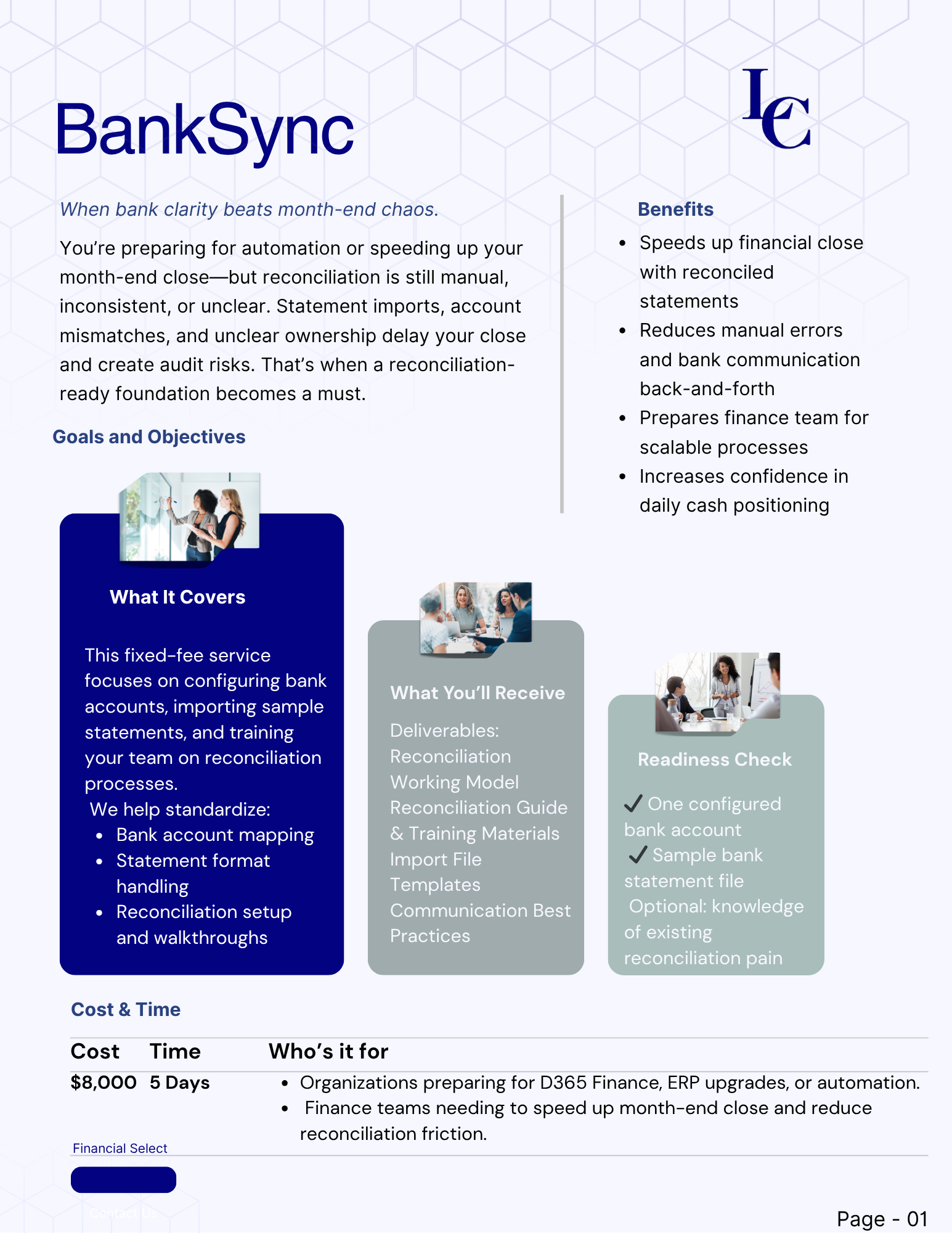
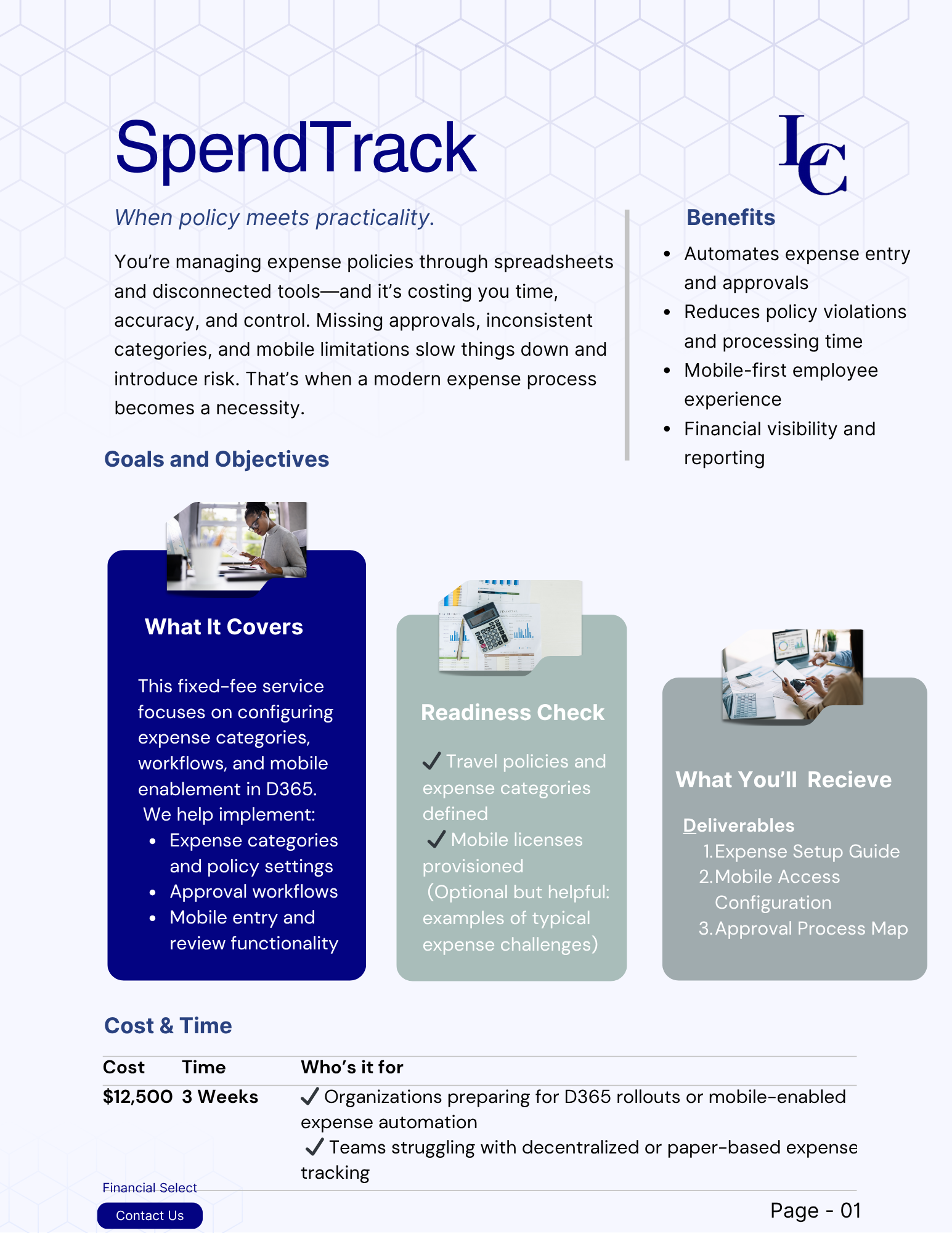


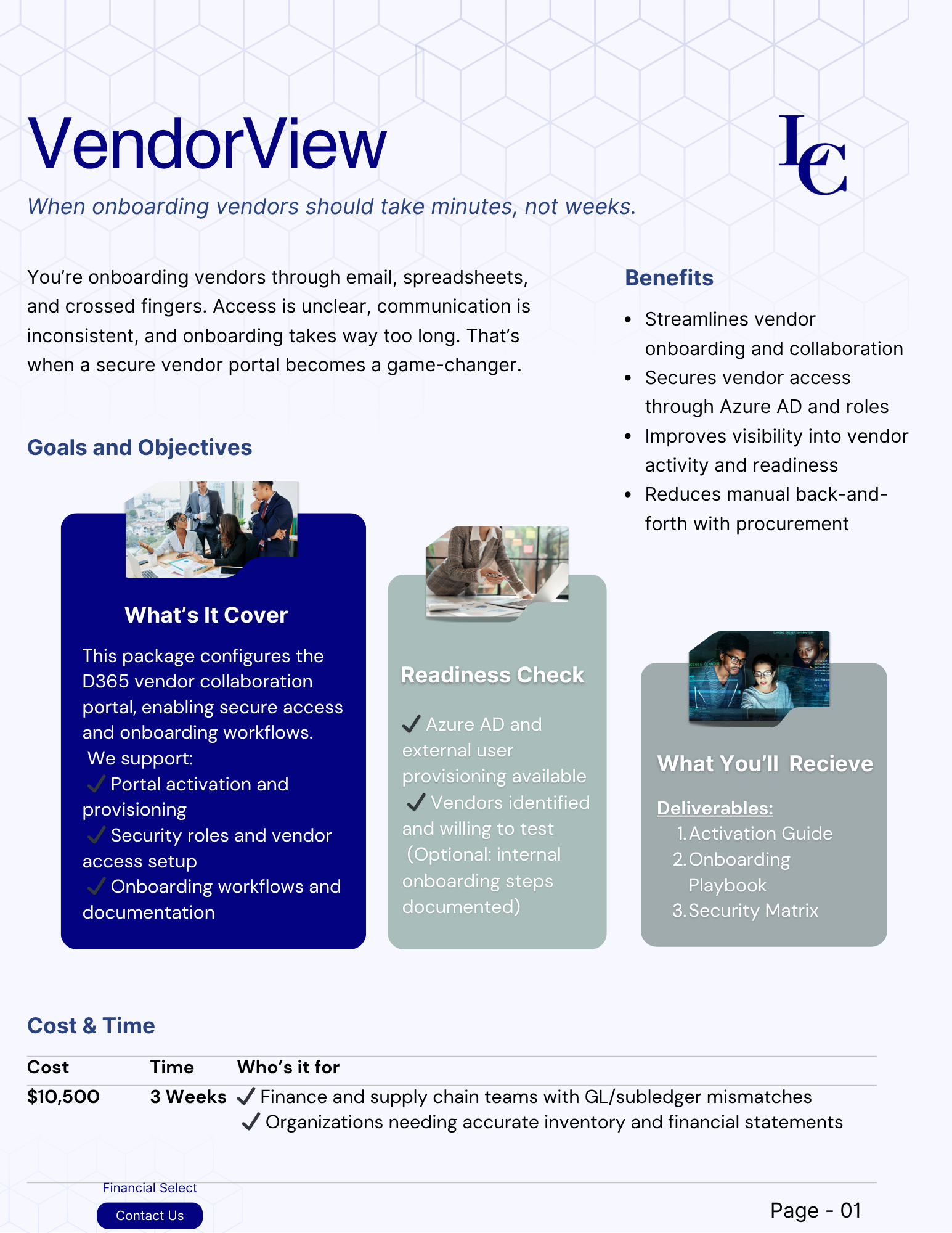


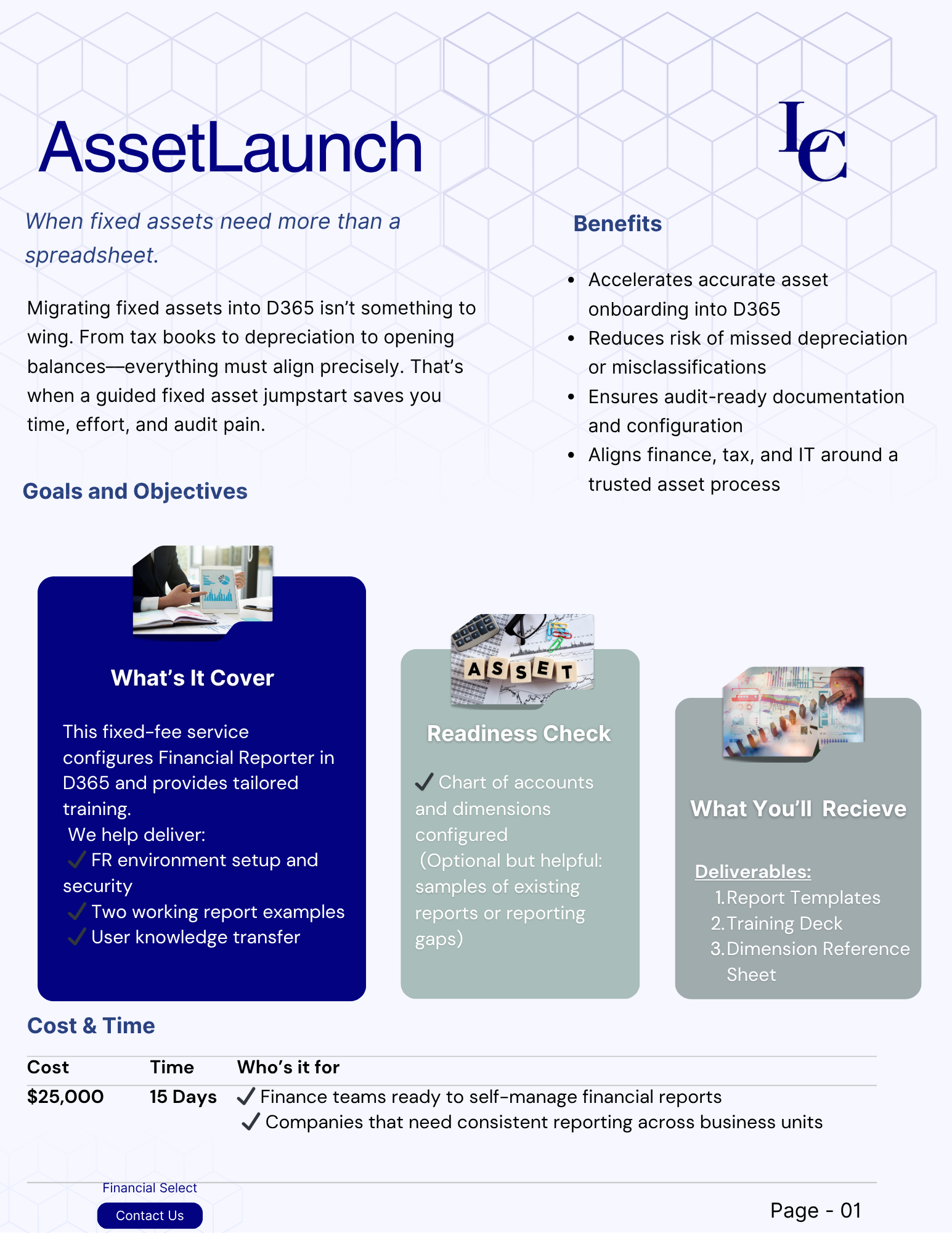
Reviews and corrects ledger-to-subledger alignment in D365 by fixing posting configurations, inventory profiles, reconciliation logic, GL mapping, and critical reporting procedures.
Category: QAD Business Process
Return To Vendor Process in AUX
Posted on: August 2, 2024 | By: Meaghan Andrews | QAD Manufacturing, QAD Business Process, QAD Distribution
The Return to Vendor (RTV) process occurs when a company wants to return materials back to the Supplier or Vendor they purchased them from. There can be several reasons why a company would want to return purchased materials such as damaged or defective material, the wrong material was shipped to them, or the supplier over shipped the quantity ordered. It is important that a process is in place to support...
EDI Solution Selection
Posted on: July 18, 2024 | By: Meaghan Andrews | QAD Business Process
New to EDI? Don’t know where to start? Or are you currently processing EDI and need to scale your solution to meet the demands of your business? Let us help guide you to your next step. In this blog we will cover topics to help you think about your business case, organizational structure, future growth, as well as desired architecture that will best suit your business’s EDI needs. Why EDI?...
Using Planned Orders to Drive Purchasing in AUX
Posted on: July 11, 2024 | By: Meaghan Andrews | QAD Financials, QAD Manufacturing, QAD Business Process, QAD Distribution
QAD’s Adaptive UX provides a new Planned Orders view that can be used to drive Purchasing activities such as the creation of Requisitions (Approved or Unapproved) and Purchase Orders, or the releasing of Blanket Orders. To access this functionality, go to the Planned Orders hybrid view in AUX, and from the Actions function, select Firm Purchasing. Note: you can use the view filtering functions to limit the Planned Orders (e.g....
User Defined Fields In AUX
Posted on: July 2, 2024 | By: Meaghan Andrews | QAD Financials, QAD Manufacturing, QAD Business Process, QAD Distribution
This is the second blog in a series of four blogs about customizing business objects in AUX. This blog provides information about pulling forward User Defined Fields in AUX. QAD’s Adaptive UX offers many customizable options to meet the needs of any business. One way is offering User Defined Fields (UDFs) which are predefined fields in the database tables that are not used in QAD business logic. This means that...
Customer Payment Statuses
Posted on: June 26, 2024 | By: Meaghan Andrews | QAD Financials, QAD Business Process
QAD EE .NET and AUX uses Customer Payment Statuses to manage the progress of payments received through the system. There are multiple ways to configure payment statuses, depending on your organization’s requirements. At the most basic level, a single Customer Payment status of “Paid” can be setup. All new payments will default to this status, and customer payments received will hit your bank GL account immediately (Debit Bank account, Credit...
Bank File Integration
Posted on: June 25, 2024 | By: Meaghan Andrews | QAD Financials, QAD Business Process
QAD EE .NET and AUX allow for the use of an Excel load for cash receipts via Bank File Integration. This offers numerous benefits that streamline the cash receipt process. Excel templates can be created with built-in formulas that reference remittance files provided by customers. Additionally, these templates can be designed to automatically calculate deductions and discounts where applicable. Utilizing such a template can significantly decrease errors associated with manual...
QAD Configurator Case Study
Posted on: May 23, 2024 | By: Meaghan Andrews | QAD Financials, QAD Manufacturing, QAD Business Process, QAD Distribution
Logan Consulting recently took a manufacturing client live on QAD’s Adaptive ERP using the AUX interface. An extremely large component of this implementation was the use of the QAD Configurator. This client is a manufacturer of custom conveyor belts and pulleys. Over 95% of all orders are custom and require rules-based configuration, often through extremely complex engineering models. Through the QAD Configurator, this client is now able to process orders...
QAD’s Changing Landscape: Insights from Logan Consulting
Posted on: April 16, 2024 | By: Meaghan Andrews | QAD Practice News, QAD Business Process
In this blog, we explore QAD's changing landscape, focusing on cloud modernization and O3 adoption, illuminating both excitement and nuanced concerns. The move towards cloud modernization and the adoption of O3 ushers in a significant step forward towards future-ready ERP solutions. While this journey is promising, we want to provide a holistic perspective, acknowledging both the promise and the complexities that define this era of ERP evolution. Whether you are...
Automation Solutions
Posted on: March 13, 2024 | By: Meaghan Andrews | QAD Distribution, QAD Manufacturing, QAD Business Process
What is Automation Solutions? QAD Automation Solutions offers a paperless, directed-user experience that requires minimal end-user scan/data entries. The transactions typically do not offer the complete range of functionalities found in their desktop-back-office .NET or AUX equivalents in order to prioritize simplicity. QAD Automation Solutions is geared to make the manufacturing, production, and shipment of products easier. The software is designed to work on handheld scanners with real time data...
Generalized Codes
Posted on: February 13, 2024 | By: Meaghan Andrews | QAD Business Process
QAD’s Adaptive ERP has functionality to define a list of values for specific fields. This functionality is known as Generalized Codes. Generalized Codes allow the user to specify a certain database field and then assign a list of valid values that can be used for that field. Although not all fields allow for this functionality, most key reportable master data fields do. For example, the Item Master field known as...