

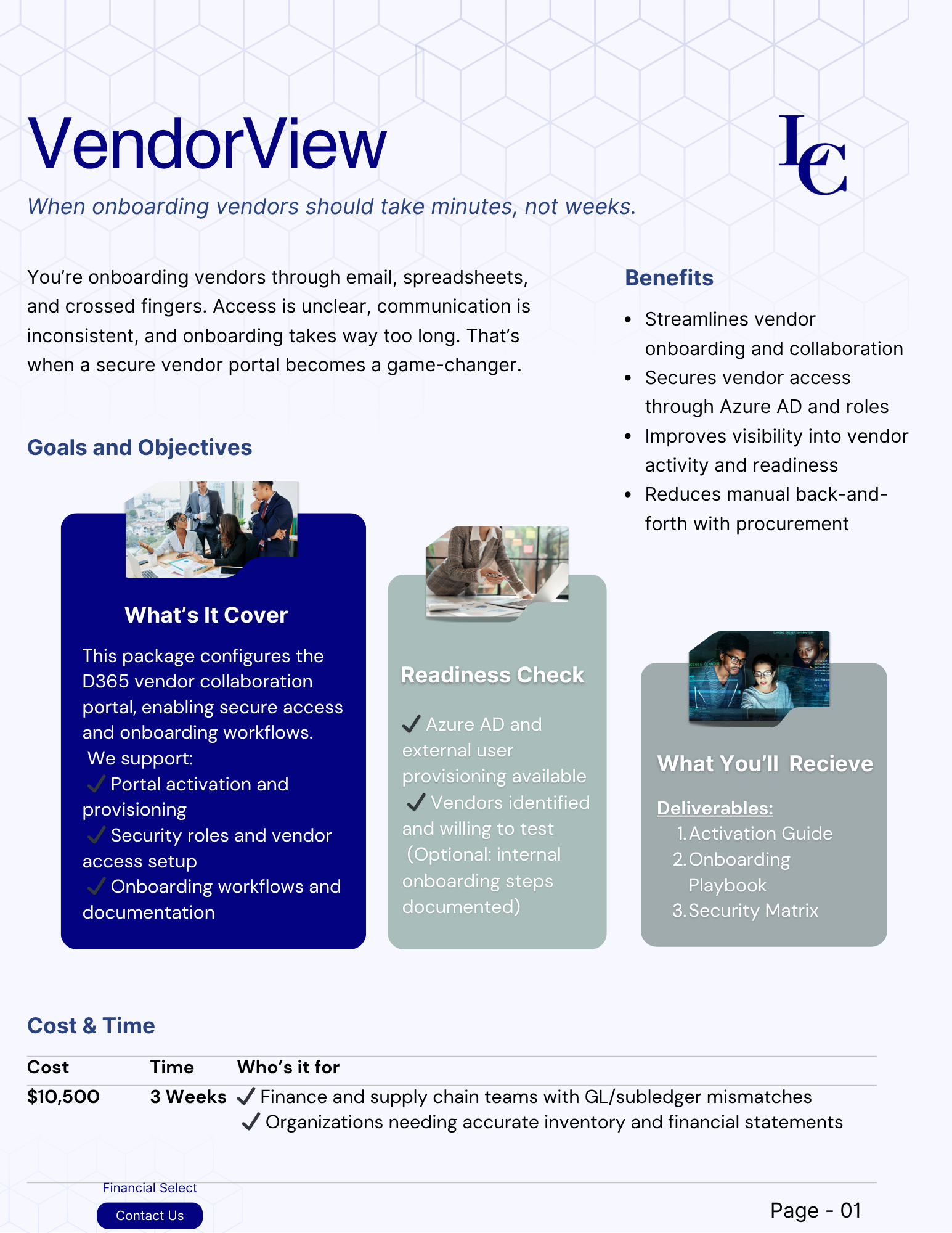


Reviews and corrects ledger-to-subledger alignment in D365 by fixing posting configurations, inventory profiles, reconciliation logic, GL mapping, and critical reporting procedures.
Author: Meaghan Andrews
How Power Automate Can Boost User Efficiency in Microsoft CRM
Posted on: July 13, 2023 | By: Meaghan Andrews | Microsoft Dynamics CRM
Microsoft’s Power Automate is an automation tool that provides various methods of reducing wasted time on repetitive processes. While Power Automate’s usage casts a wide net across most Microsoft Products (such as SharePoint and Microsoft Teams), its automation tools can provide a massive benefit in efficiency and productivity within Microsoft CRM. Below are ways that Power Automate can boost user efficiency. Streamlined CRM Data Integration: Power Automate enables easy data...
3 Ways Power BI Can Elevate Your Analytics
Posted on: July 13, 2023 | By: Meaghan Andrews | Uncategorized
Power BI, an application available in Microsoft Fabric’s suite of data tools, allows users a base of deeply integrated analytics. Many tools that provide a deep view into system analytics can be difficult to utilize and struggle with data integration, yet Power BI’s abilities provide valuable insights due to the vast amounts of information it can process. Power BI, Microsoft's business intelligence and analytics platform, offers a range of features...
D365 Blocking Rules
Posted on: June 28, 2023 | By: Meaghan Andrews | Microsoft Dynamics AX/365
When transacting with a large and diverse customer base it is important to be proactive in the credit and collections process to deter uncollectable receivables. D365 Finance and Supply Chain management has automated blocking rules that can be configured by credit managers to prevent a customer’s sales orders from being released. This blog will detail the seven blocking rule types that can be set-up in D365 Finance and Supply Chain...
QAD Digital Supply Chain
Posted on: June 28, 2023 | By: Meaghan Andrews | QAD Manufacturing, QAD Distribution
In today’s world, the increasing globalization of trade coupled with the increasing complexity of products and services and increasing consumer demand has created complex supply chains. As organizations look to increase revenues and expand product portfolios, they’re also experiencing the complexity and risk associated with supply chains. These complex supply chains are difficult for organizations to balance and require accurate supply chain planning. Many organizations fail to overcome the challenges...