



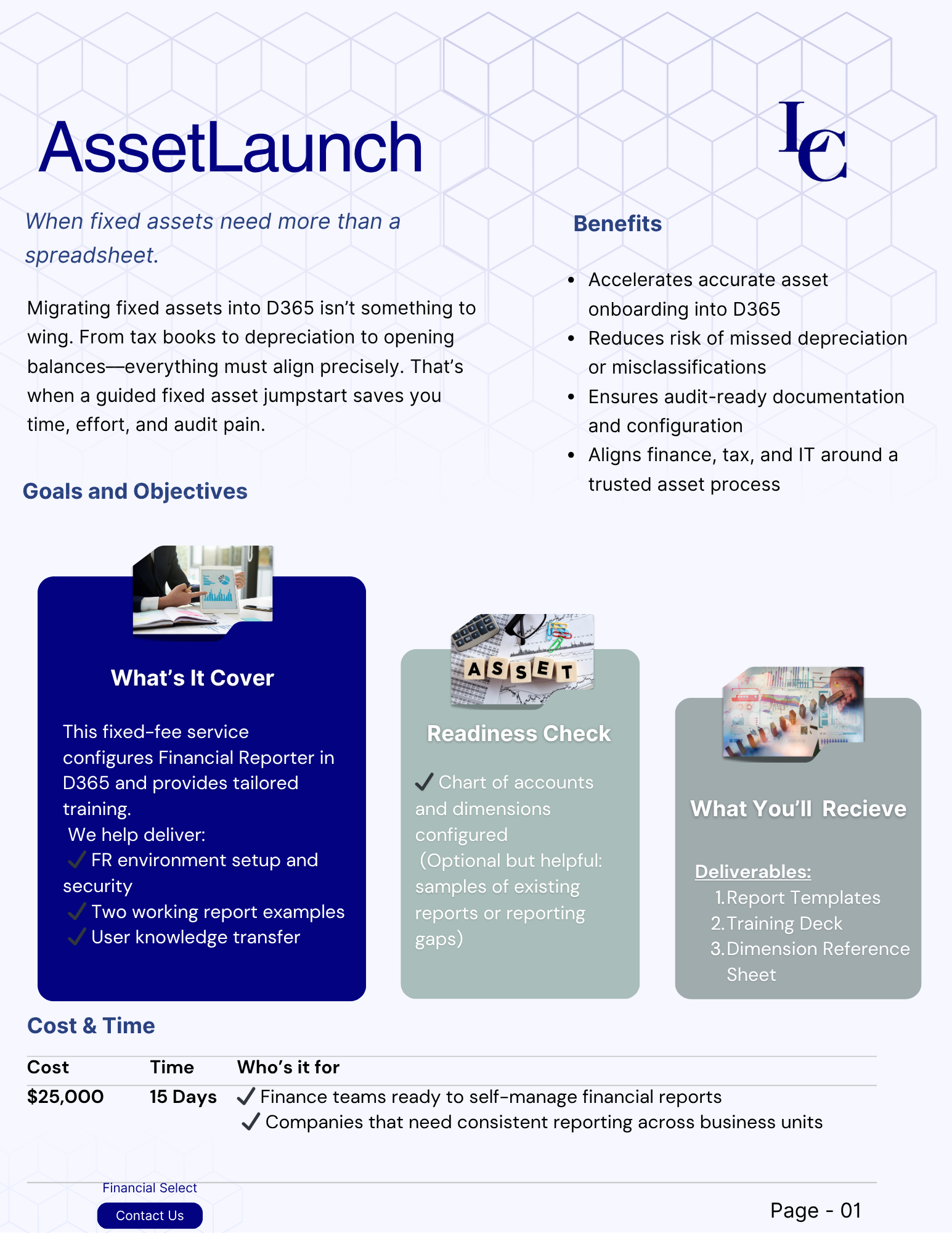
Reviews and corrects ledger-to-subledger alignment in D365 by fixing posting configurations, inventory profiles, reconciliation logic, GL mapping, and critical reporting procedures.
Designing Domain and Entity Structures in QAD: Key Considerations for a Scalable Financial Architecture
Posted on: September 17, 2025 | By: Alexa Leitner | ERP Selection|QAD Business Process
When implementing QAD ERP, one of the most foundational decisions you’ll make is how to structure your Domains and Entities. This architecture not only affects financial reporting and compliance but also impacts operational efficiency, scalability, and long-term maintainability. Here are the critical factors to consider when designing your Domain and Entity structure.

When to Use Separate Domains
Domains in QAD serve as containers for financial and operational data. You’ll need to create separate Domains when your Entities differ in any of the following ways:
- Base or Statutory Currencies: If your entities operate in different currencies, separate Domains are necessary to ensure accurate financial reporting and compliance.
- GL Calendars: Entities with different fiscal year structures or reporting periods require distinct GL calendars, which necessitate separate Domains.
- GL Account String Components: Variations in account structures—such as GL accounts, sub-accounts, cost centers, or project codes—mean that a shared Domain could lead to confusion or misreporting.
- Customer/Supplier Lists: If your entities have unique customer or supplier bases, separating Domains helps maintain data integrity and simplifies master data management.
Designing Entity Codes
Entity codes are identifiers used throughout QAD to represent business units. Thoughtful design here can streamline reporting and improve usability.
- Length: QAD allows up to 20 characters, but best practice is to keep codes concise—ideally between 4 to 6 characters.
- Character Types: Codes can include both letters and numbers, offering flexibility.
- Naming Convention: Establish a clear and consistent naming convention. For example:
- First two characters for country code (e.g., US, CN, DE)
- One character for entity type (e.g., Operating, Non-operating, Consolidating)
- Remaining characters for unique identifier or business unit
This structure not only improves clarity but also facilitates range-based reporting, which is especially useful for consolidated financials or regional analysis.
Downstream Impacts of Structure Design
Your Domain and Entity setup has ripple effects across your financial operations:
- GL Period Maintenance: Each Entity maintains its own GL periods. The more Entities you have, the more time and effort it takes to manage month-end closings.
- Operational Complexity: More Entities mean more modules to navigate, more data to reconcile, and potentially more room for error.
- Customization Needs: If your structure becomes too complex, you may need custom programming to support cross-entity reporting or automation—adding cost and risk to your implementation.
Final Thoughts
Designing your Domain and Entity structure is not just a technical exercise—it’s a strategic decision that affects every aspect of your ERP usage. By aligning your structure with business realities and future growth plans, you can ensure a robust, scalable, and efficient QAD environment.
Next Steps
If you’re ready to elevate your team’s QAD expertise, we’re here to help. Logan Consulting specializes in QAD training tailored to your organization’s unique needs. Contact us today at info@loganconsulting.com or call (312) 345-8817 to learn more about how we can support your team’s growth and development.