



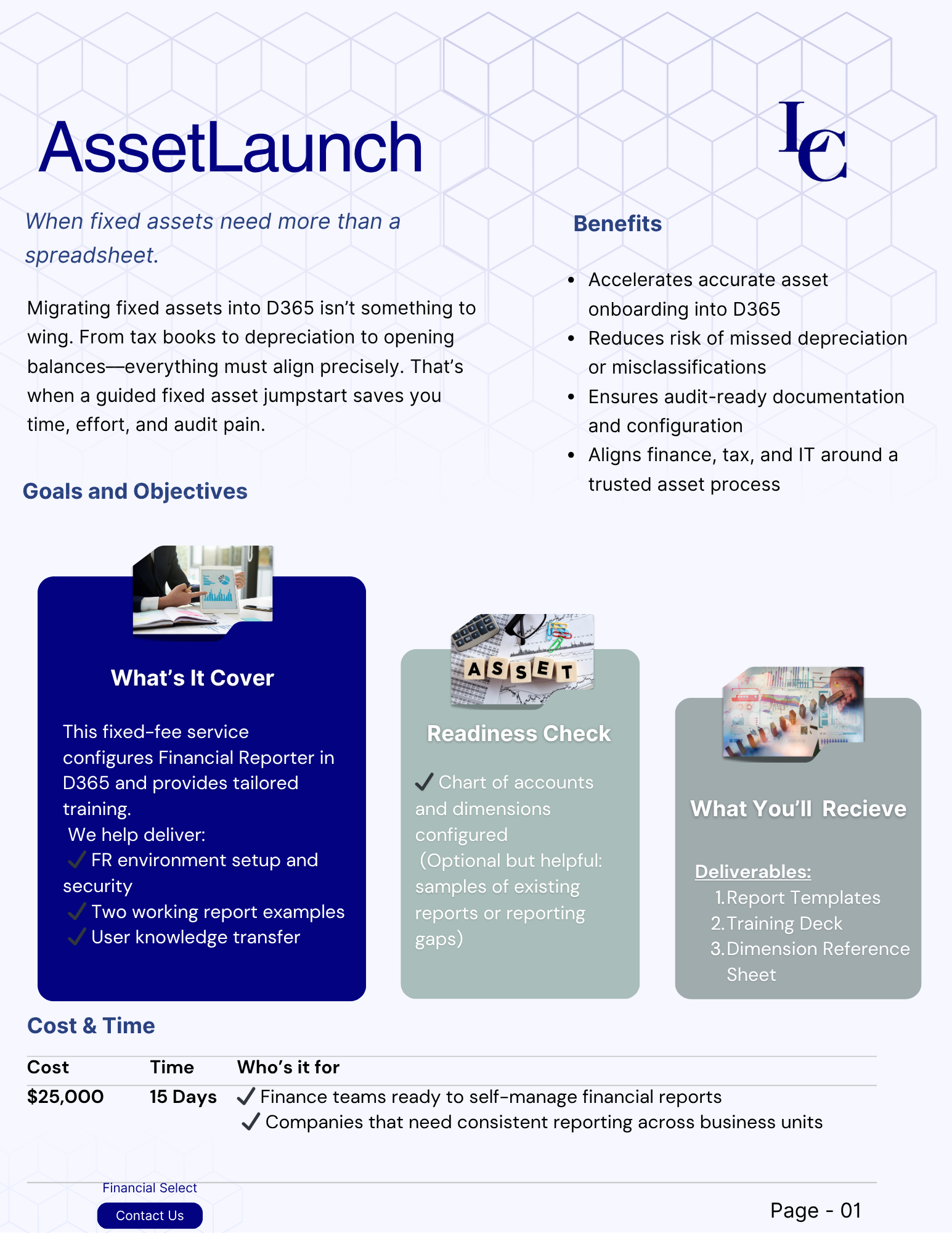
Reviews and corrects ledger-to-subledger alignment in D365 by fixing posting configurations, inventory profiles, reconciliation logic, GL mapping, and critical reporting procedures.
What are the benefits of a Single Database Multi-Domain QAD EE Database?
Posted on: September 19, 2018 | By: Andy Vitullo | QAD Financials
Designing your domain and database architecture is a critical design decision for your business. As your business embarks on a migration project to the QAD Enterprise Edition ERP software, this configuration decision will impact users access to enterprise wide data, the information technology organization’s support model and the organization’s ability to sustain accurate master data across the enterprise. Accurate master data will ensure a transactional accuracy and impact overall efficiency of users.
Financial Modules shared sets include general ledger accounts, sub accounts, cost centers, projects, exchange rates, customers and suppliers. The shared sets of data are cross domain master data tables. The shared master data tables to can be shared to one, many or all domains in the database. This functionality can facilitate master data control and increase the level of master data accuracy.
The Financial Report Writer (FRW) provides the business with an ability to write cross domain/entity reporting to a presentation currency. If your business has multiple domains in alternate base currencies, FRW can provide a near consolidated view of financial results of operations within an operating month, thereby, providing the management team with more timely information for them to make decisions.
A single database multi-domain environment enables shared services processing of general ledger transactions, accounts payable invoicing, accounts receivables and cash settlement transactions. Cross entity transactions are automatically balanced. Top level management allocation entries can be posted across entities. Centralized Cash settlement transactions enable the business to limit the number actual financial institution bank accounts, reducing the amount of month end balance sheet analysis requirements.
The single database environment provides a simpler configuration for querying data across the enterprise. It reduces the complexity of business intelligence feeds from QAD to a BI layer. Finally, with embedded software query tools (Browses and Reporting Framework), the complexity of developing enterprise wide operating results for critical business metrics including orders, shipping, invoicing, manufacturing volume, etc., is greatly reduced.
Is your organization looking for QAD installation, implementation, and support? If so, contact Logan Consulting for a consultation now!