

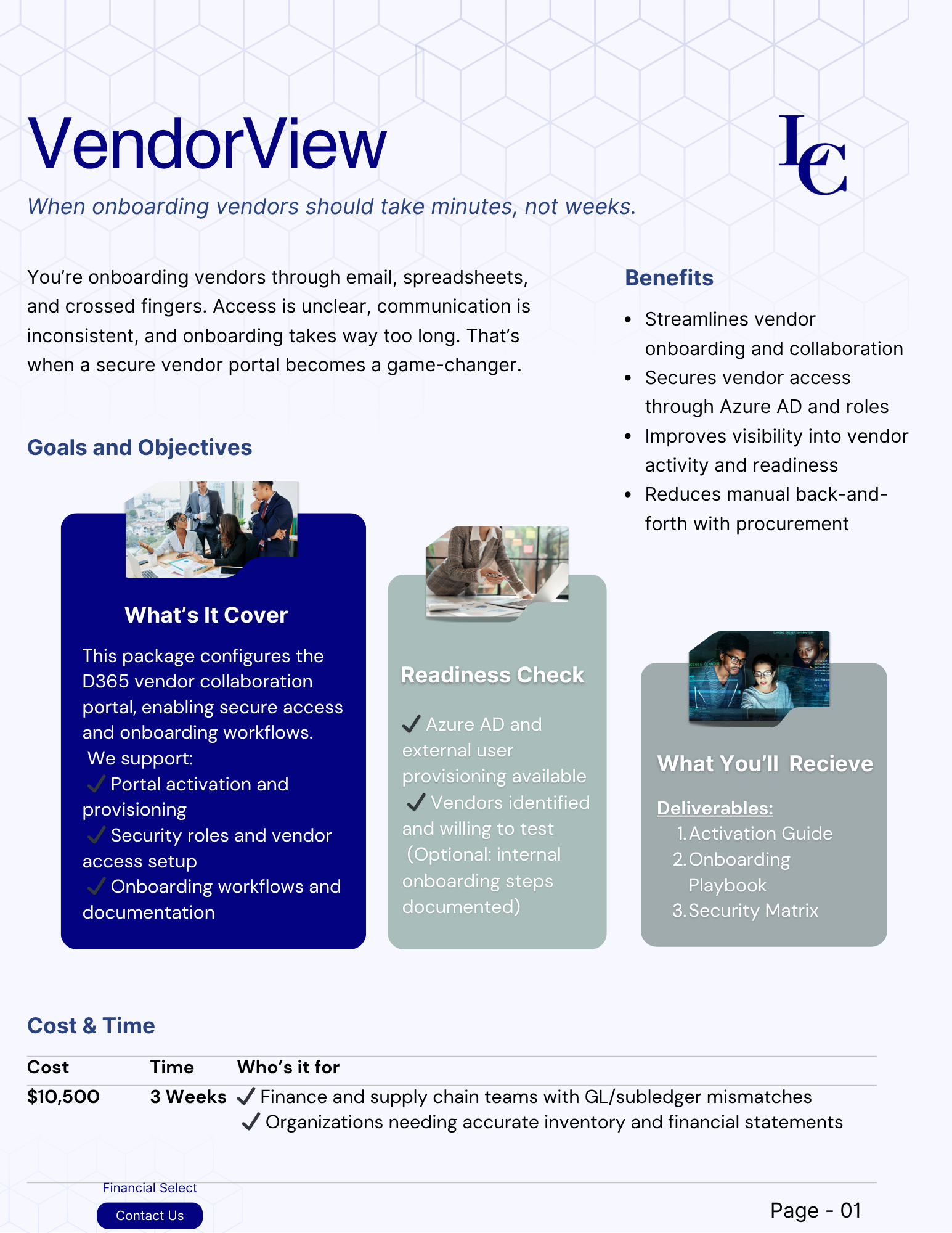


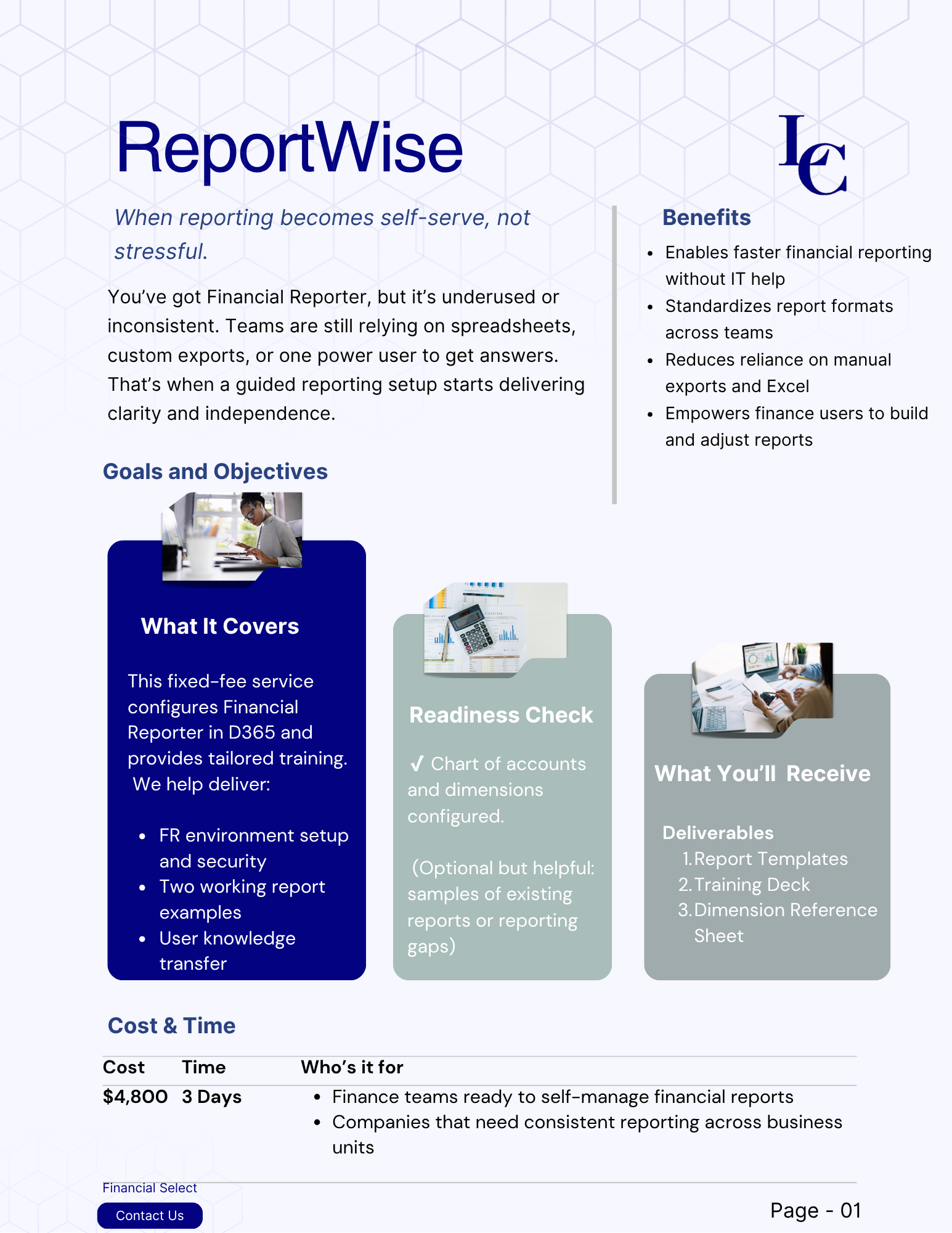
Reviews and corrects ledger-to-subledger alignment in D365 by fixing posting configurations, inventory profiles, reconciliation logic, GL mapping, and critical reporting procedures.
Transforming the Food and Beverage Industry with AI and Copilot in Microsoft Dynamics 365 Supply Chain Management
Posted on: September 30, 2024 | By: Maya VanderWoude | Microsoft Dynamics AX/365, Microsoft Dynamics Manufacturing
The food and beverage industry faces unique challenges that require agility, precision, and speed. Managing demand fluctuations, optimizing production schedules, and ensuring supply chain resilience are critical for businesses aiming to thrive in this dynamic sector. Leveraging AI and generative AI capabilities through Microsoft Dynamics 365 Supply Chain Management (D365 SCM) offers powerful solutions to meet these challenges. This blog explores how the latest AI-driven features, including Microsoft’s Copilot, are revolutionizing supply chain management in the food and beverage industry, enabling companies to enhance efficiency, minimize waste, and drive growth.

Navigating Complexity with AI-Powered ERP Systems
The food and beverage sector is characterized by its reliance on rapidly changing consumer preferences, seasonal variations, and complex logistics. The integration of AI into ERP systems like Dynamics 365 SCM provides a comprehensive view of supply chain operations, enabling businesses to optimize processes from production to delivery. AI enhances decision-making, automates routine tasks, and uncovers insights that help companies adapt swiftly to market changes.
With AI and generative AI capabilities, such as those found in Microsoft Dynamics 365 Copilot, food and beverage companies can achieve greater agility, accuracy, and resilience in their operations.
How AI and Copilot Elevate Supply Chain Management in Food and Beverage
- Optimizing the Plan-to-Produce ProcessThe plan-to-produce process in food and beverage production involves aligning production schedules with material capacity, labor availability, and quality standards. AI, integrated with D365 SCM, uses predictive analytics to aggregate data across the enterprise, providing a clear, real-time picture of production operations.
- Reducing Lead Times: With AI’s ability to analyze vast amounts of data quickly, production schedules can be adjusted in real time, reducing the lead times necessary to plan or alter production runs. This ensures that companies can adapt quickly to demand surges or supply chain disruptions.
- Improving Forecast Accuracy: Generative AI algorithms improve demand forecasting by analyzing historical data, market trends, and external factors, helping companies anticipate demand more accurately. For example, AI can predict seasonal variations in demand for specific products, allowing businesses to plan production and inventory levels more effectively. For a deep dive on viewing data with Context-Aware Summaries, read our previous blog here.
- Enhancing the Procure-to-Pay ProcessThe procure-to-pay process integrates procurement activities with accounts payable, streamlining purchasing and payment workflows. In the food and beverage industry, where margins are often tight and supplier relationships are critical, AI can significantly enhance this process.
- Reducing Human Error and Costs: AI automates routine procurement tasks, such as purchase order creation and invoice processing, reducing human error and ensuring timely payments. This not only helps maintain healthy supplier relationships but also minimizes costs associated with late payments or order discrepancies.
- Ensuring Compliance: AI also supports compliance by mapping procurement operations to relevant standards and regulations. It automatically creates the necessary audit trails and reports, reducing the burden on staff and helping businesses stay compliant with industry regulations.
- Quicker Quote-to-Cash with Personalization and AutomationAI enhances the quote-to-cash cycle by integrating sales, finance, and supply chain processes, leading to faster, more accurate transactions. For food and beverage companies, this means:
- Faster Customer Response Times: Automating price quotes and order processing enables sales teams to respond to customer inquiries and complete transactions more quickly. AI can generate accurate proposals and invoices instantly, improving customer satisfaction and accelerating revenue recognition.
- Improved Cash Flow Management: AI-powered analytics track payments and cash flow in real time, allowing businesses to make data-driven decisions about pricing, inventory levels, and credit terms. This ensures that financial resources are allocated effectively, supporting growth and profitability.
Unlocking New Opportunities with Dynamics 365 Copilot
The introduction of Dynamics 365 Copilot capabilities brings a new level of intelligence to supply chain management, particularly in the food and beverage sector. Here’s how Copilot enhances business processes:
- AI-Assisted Decision Making: Copilot’s natural language processing capabilities allow users to interact with data more intuitively, asking questions and receiving insights directly within their workflow. This helps managers make informed decisions quickly, based on real-time data.
- Proactive Disruption Mitigation: By integrating AI-driven insights into daily operations, Copilot enables teams to proactively address potential disruptions. For example, if a key ingredient is expected to be in short supply, Copilot can suggest alternative sourcing options or adjust production schedules accordingly.
- Enhanced Collaboration and Efficiency: Copilot streamlines collaboration by bringing together relevant data and stakeholders in platforms like Microsoft Teams. Teams can discuss changes, review insights, and make decisions without leaving their workspace, significantly improving productivity.
Conclusion
The integration of AI and Copilot in Microsoft Dynamics 365 Supply Chain Management provides food and beverage companies with powerful tools to optimize their operations, from procurement to production to customer delivery. By leveraging these capabilities, businesses can enhance decision-making, reduce costs, and improve resilience, positioning themselves to thrive in an increasingly competitive market.
Next Steps:
If you want to learn more about Copilot with Microsoft Dynamics 365 Supply Chain Management, contact us here to learn how we can help you grow your business. You can also email us at info@loganconsulting.com or call (312) 345-8817.
Related Posts

Your D365 License Bill Might Be a Security-Role Problem.
Posted on: September 30, 2026
Access & Licensing / Finance + Supply Chain Before you buy more licenses, find out whether yesterday's access still belongs...
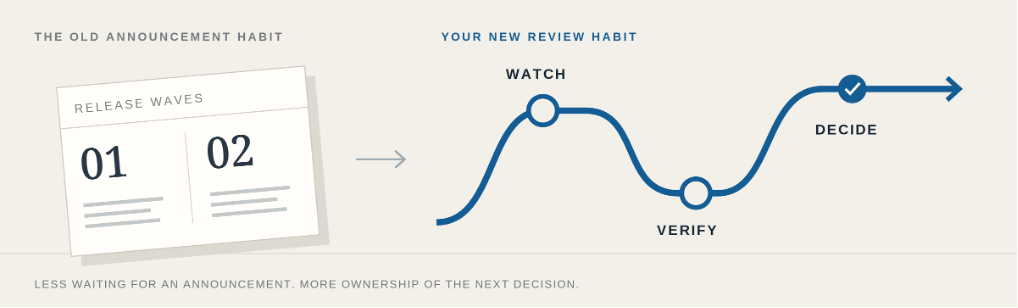
The D365 Roadmap Moved. Here’s What Your Release Plan Needs Now.
Posted on: September 29, 2026
ILLUSTRATIVE PLANNING-ROOM SCENARIO Picture the next steering meeting. Someone drops a Microsoft announcement into the chat. A planner asks, “Can...