

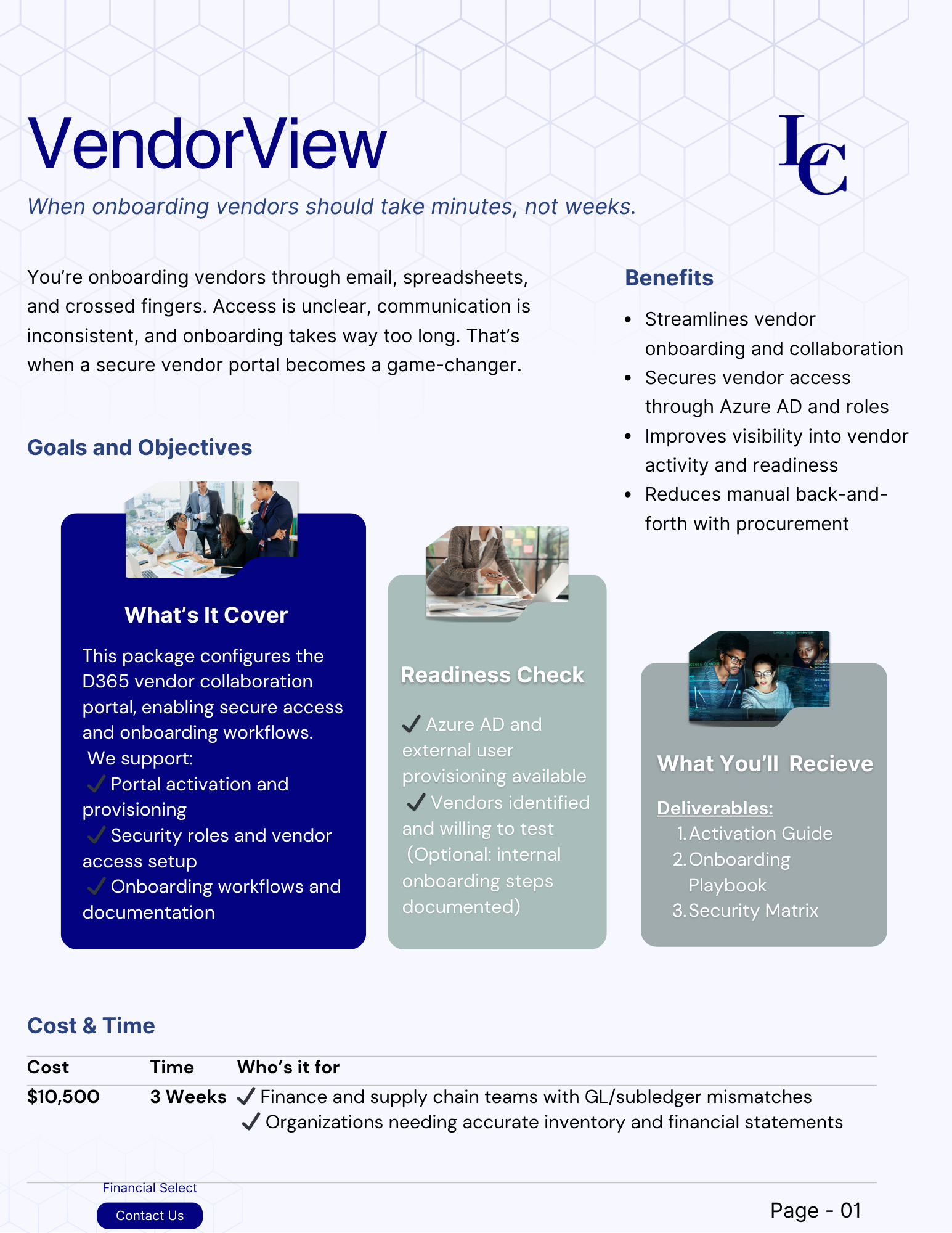


Reviews and corrects ledger-to-subledger alignment in D365 by fixing posting configurations, inventory profiles, reconciliation logic, GL mapping, and critical reporting procedures.
Top 5 Signs Your ERP Implementation May Be In Trouble
Posted on: November 13, 2024 | By: Guy Logan | ERP Selection, QAD Manufacturing, QAD Business Process, QAD Distribution, Professional Services
ERP implementations are complex, involving substantial planning, resources, and coordination across departments. While every project has its challenges, certain signs indicate that an implementation might be headed off track. Recognizing these early can make a huge difference, saving your company time, money, and headaches. Here are the top five warning signs to watch for during an ERP project.

1. Missed Deadlines and Delays
Missed deadlines are often one of the first signs that an ERP project is struggling. If key milestones are being delayed or tasks are constantly pushed back, it may point to issues with resource allocation, unrealistic time estimates, or unclear project requirements. Frequent delays can result in cascading problems that compound over time, eventually leading to a failed implementation. If your team is struggling to stay on schedule, it’s essential to identify and address root causes early.
2. Scope Creep
Scope creep happens when unplanned requirements are added after the project has begun, without proper approval or adjustment to the timeline and budget. This usually occurs when the project’s goals are unclear or when stakeholders add requirements midstream. Without disciplined scope management, the project can spiral, leading to resource strain, missed deadlines, and budget overruns. Clear boundaries and a solid project charter are essential to prevent scope creep.
3. Poor Communication and Lack of Transparency
Effective communication is critical in ERP implementations. When stakeholders, team members, and end-users aren’t kept in the loop, misunderstandings and misaligned expectations arise. If project updates are infrequent, unclear, or limited to a small circle, emerging issues can remain hidden until they’re critical. Regular, transparent updates and open channels for feedback help keep everyone aligned and foster a problem-solving culture.
4. Inadequate User Training and Low Engagement
End-user engagement is essential for a successful ERP implementation. If users aren’t actively participating in training or are expressing frustration, it may indicate that they don’t understand how the new system benefits their work. Low engagement can lead to poor system adoption and suboptimal usage. User training must be prioritized to ensure users are prepared and confident in using the ERP effectively.
5. Consistent Budget Overruns
Budget overruns are a red flag, signaling potential problems in project management, scope management, or resource efficiency. If costs are consistently higher than planned, it could point to hidden issues with project scope, misallocated resources, or ineffective planning. Proper budget tracking, along with transparent communication about cost concerns, helps keep expenses under control.
Next Step
Contact Logan Consulting experts for more information about ways to avoid ERP implementation.