



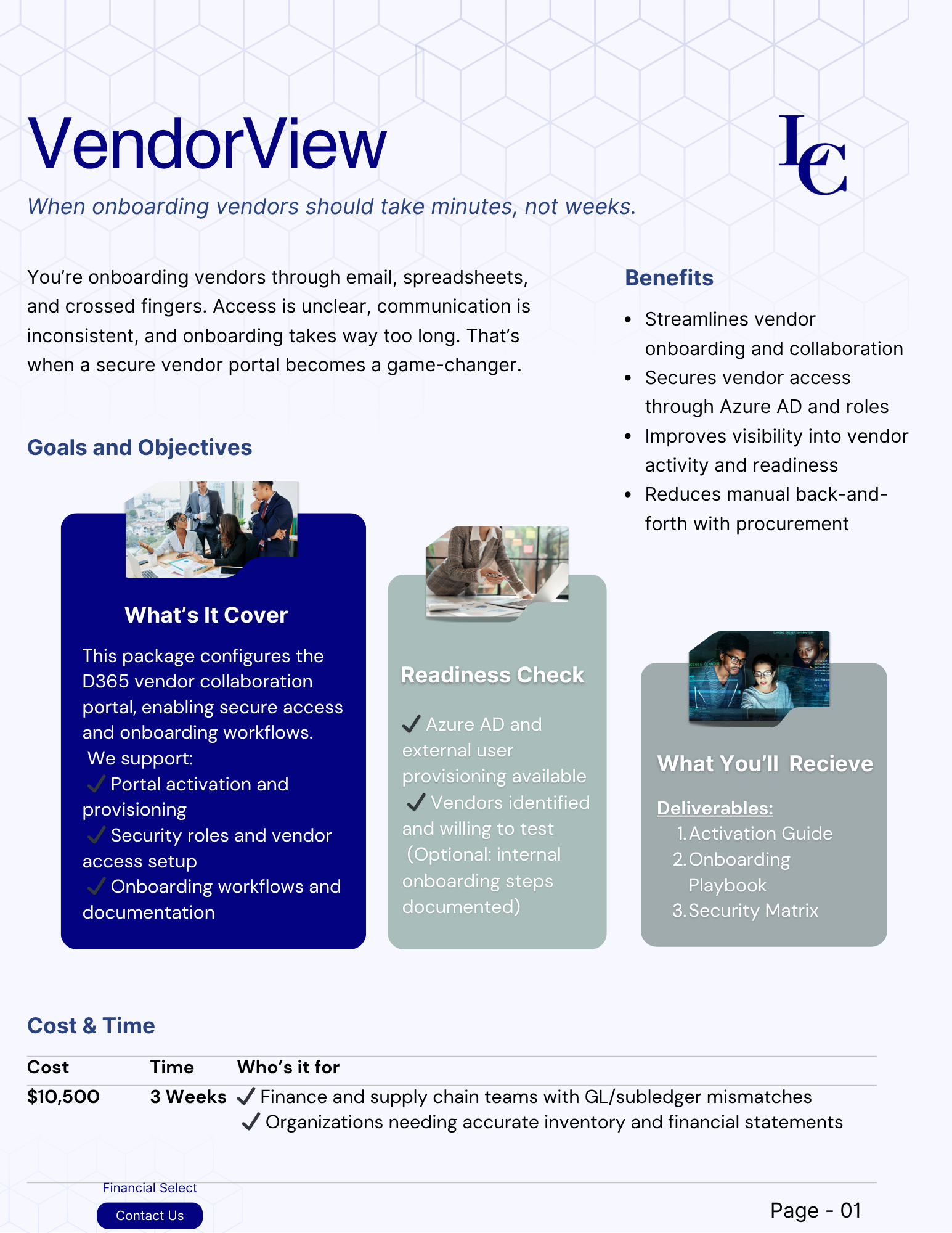


Reviews and corrects ledger-to-subledger alignment in D365 by fixing posting configurations, inventory profiles, reconciliation logic, GL mapping, and critical reporting procedures.
Top 5 Things to Know About Driving Accurate Inventory Planning
Posted on: November 5, 2024 | By: Page Wildridge | Microsoft Dynamics Business Central
This October, Logan Consulting joined Dynamics Communities for the 2024 Community Summit, where experts spotlighted how Business Central can transform businesses. In this post, we’re focusing on Brent Stabiner’s presentation, “Driving Accurate Inventory Planning with MRP/MPS and Stockkeeping Units.” Here are the top 5 takeaways to help your business optimize inventory planning with Business Central:
1. Automate Decision-Making with MRP and MPS Setup
Business Central’s Material Requirements Planning (MRP) and Master Production Scheduling (MPS) allow automated decision-making within inventory purchasing and planning. Set up items and SKUs with custom replenishment configurations, helping to forecast demand accurately and replenish efficiently. By configuring dampener periods, reorder points, and safety stock on SKU cards, you can automate order suggestions that respond dynamically to changes in demand and supply.
2. Differentiate Item Planning by Type and Location
Business Central enables detailed planning for different item types (purchase, assembly, manufacturing), as well as location and variant-based planning. Set unique parameters for each SKU and location, allowing tailored strategies for various scenarios. This approach ensures that each item is handled according to specific needs, reducing inventory waste and improving response time for diverse inventory demands across multiple locations.
3. Utilize Planning and Requisition Worksheets for Streamlined Inventory Management
With Planning and Requisition Worksheets, you gain critical control over inventory flows. These tools incorporate demand forecasts, blanket orders, and action messages to guide timely adjustments and help prioritize orders. The worksheets’ MRP calculations automatically adjust inventory based on changes in demand or supply, ensuring that you’re always aligned with customer needs and operational capacity.
4. Leverage Demand Forecasts and Action Messages for Responsive Planning
By integrating demand forecasts (from sales orders or historical data), Business Central can proactively create supply suggestions. Action messages prompt users with suggestions to modify existing orders based on forecasted changes, so you can stay ahead of inventory shortages or surpluses. This functionality allows you to maintain optimal stock levels, reducing costly overstock and stockouts.
5. Adjust Reordering Parameters to Reflect Real-Time Demand
Flexibility in reordering policies—such as setting minimums, maximums, and reorder points—allows adjustments to be made quickly as demand patterns shift. Brent demonstrated how updates to these setups directly impact purchasing suggestions, giving your planning team agility to refine inventory plans on the fly. This adaptive approach lets you optimize inventory turnover, reduce carrying costs, and meet customer demands promptly.
Next Steps
These strategies provide a comprehensive framework to refine inventory planning, ensuring accuracy and efficiency in stock management. To learn more, check out some suggested Microsoft Learn resources here and here. Logan Consulting is a proud Microsoft partner. To learn more about Brent’s presentation, please contact us today.