



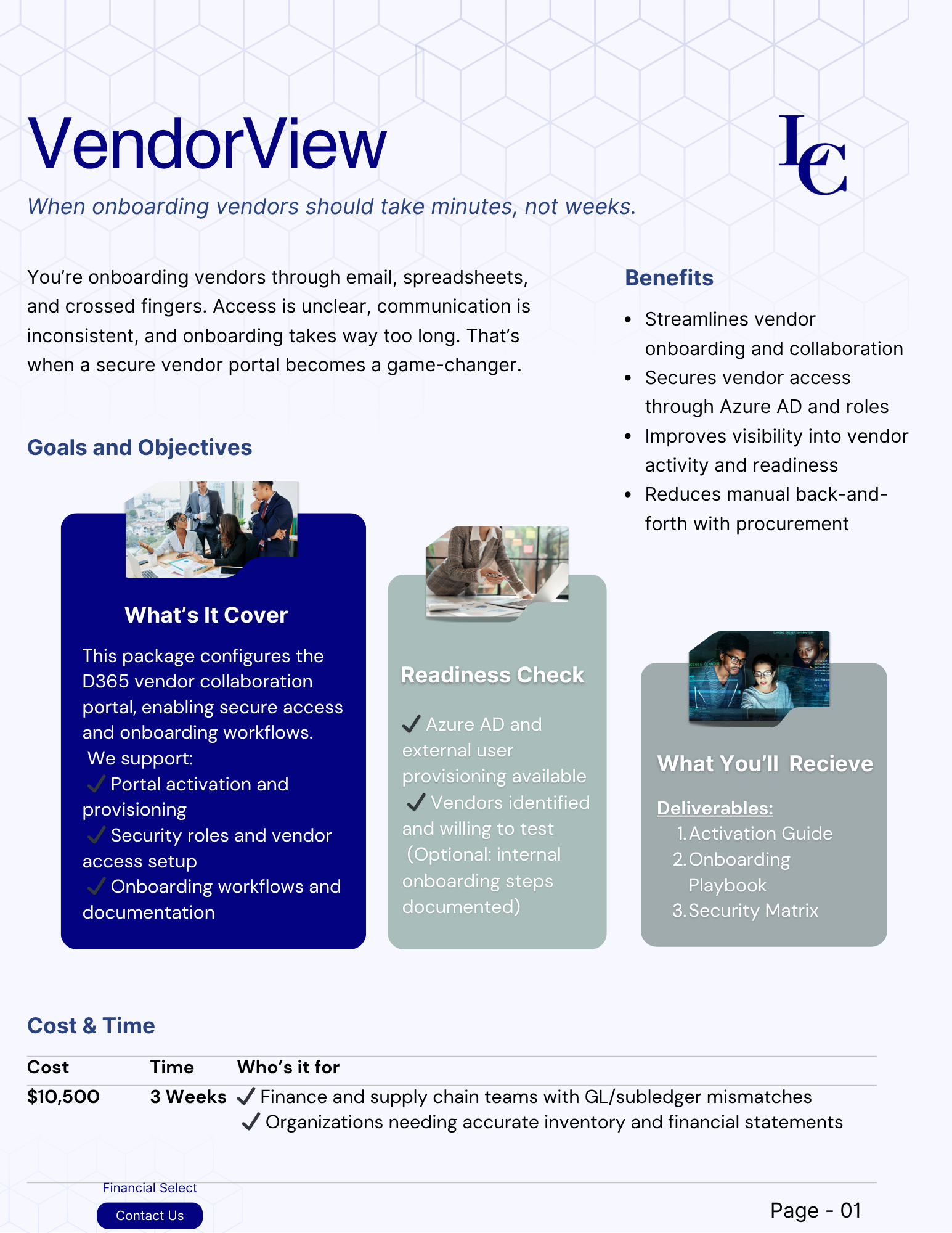


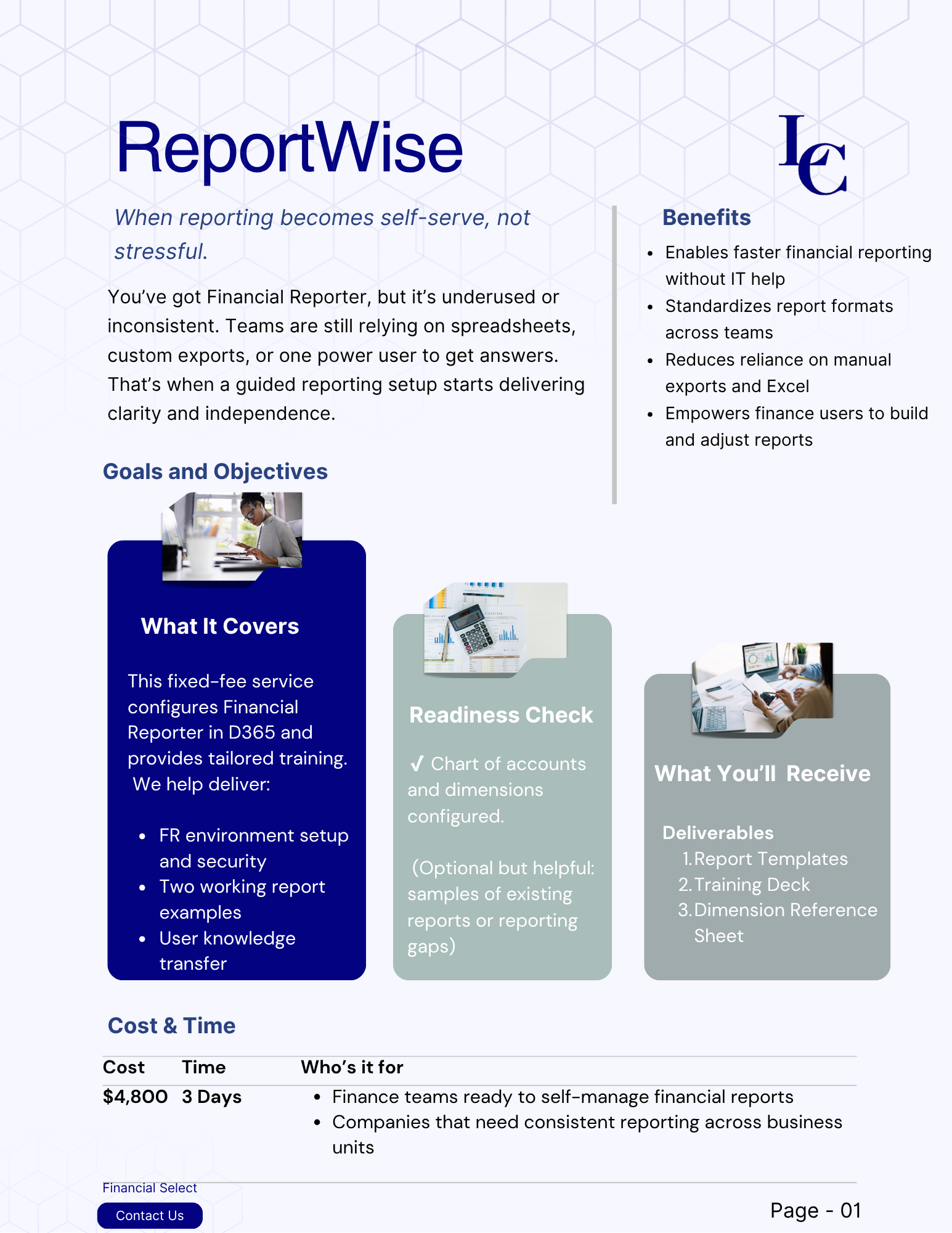
Reviews and corrects ledger-to-subledger alignment in D365 by fixing posting configurations, inventory profiles, reconciliation logic, GL mapping, and critical reporting procedures.
The Future of EDI Integrations with QAD O3: A Seamless, Intelligent Supply Chain
Posted on: June 2, 2025 | By: Alexa Leitner | ERP Selection, QAD Business Process, EDI
In an increasingly digital world, Electronic Data Interchange (EDI) remains the backbone of B2B communication, especially in manufacturing, supply chain, and logistics. With the emergence of QAD O3, the next-generation cloud ERP from QAD Inc., the future of EDI integrations is undergoing a significant transformation. QAD O3 not only streamlines core ERP functionalities, but also opens new possibilities for smarter, faster, and more scalable EDI implementations.

EDI’s Enduring Value in a Cloud-First Era
Despite the proliferation of APIs and real-time data exchanges, EDI continues to be vital for industries where standardization, reliability, and compliance are non-negotiable. Automotive, life sciences, food & beverage, and industrial manufacturing sectors heavily rely on EDI to communicate with suppliers, customers, and logistics providers. QAD O3 acknowledges this need by continuing to support and enhance EDI capabilities while making integration more adaptable to modern architectures.
Cloud-Native EDI in QAD O3
One of the most significant changes with QAD O3 is its cloud-native architecture. Unlike traditional on-premises ERPs, QAD O3 is built for the cloud from the ground up, enabling businesses to leverage elastic computing, high availability, and real-time updates. EDI integrations benefit from this environment through reduced latency, centralized control, and improved monitoring.
Instead of relying on batch file transfers and legacy middleware, QAD O3 supports more agile EDI deployment models. Cloud EDI providers and integration platforms can now connect directly to QAD O3’s services through RESTful APIs and standardized interfaces, allowing for hybrid EDI/API models that preserve compliance while enabling faster processing and richer data exchange.
Integration Platforms as a Service (iPaaS) and QAD O3
The rise of iPaaS platforms like Boomi, MuleSoft, and Celigo is shaping the future of EDI in the QAD ecosystem. These platforms simplify the creation, deployment, and management of EDI integrations by offering pre-built connectors, drag-and-drop mapping tools, and automated workflows. QAD O3’s open architecture aligns perfectly with this trend, supporting plug-and-play integration strategies that reduce the time and cost of EDI onboarding for new partners.
As QAD O3 continues to evolve, expect tighter integration with EDI tools that provide end-to-end visibility, automated exception handling, and analytics-driven insights—empowering businesses to identify errors, reduce manual intervention, and optimize trading partner relationships.
AI and Automation: The Next Frontier
Another transformative trend is the integration of artificial intelligence (AI) and machine learning (ML) into EDI processes. With QAD O3’s extensible architecture and cloud capabilities, AI can be leveraged to detect anomalies in transaction patterns, forecast demand based on EDI data, and automate responses to common errors or discrepancies.
For instance, an AI-enhanced EDI engine integrated with QAD O3 could automatically identify mismatched purchase orders and invoices, flag high-risk shipments, or suggest supply chain adjustments based on predictive analytics. These capabilities turn EDI from a static communication protocol into a dynamic, value-generating tool.
Final Thoughts
QAD O3 is not just a new ERP platform, it’s a catalyst for digital transformation across the supply chain. The future of EDI integrations within this environment is one of flexibility, intelligence, and strategic advantage. As businesses migrate to QAD O3, they’ll be better positioned to adopt modern EDI frameworks that are faster, more reliable, and integrated with the broader digital ecosystem. The convergence of cloud, AI, and automation will ensure EDI remains a key enabler of global business for years to come.
Next Steps
Contact us at EDIInfo@loganconsulting.com for additional information on your EDI options with QAD.