





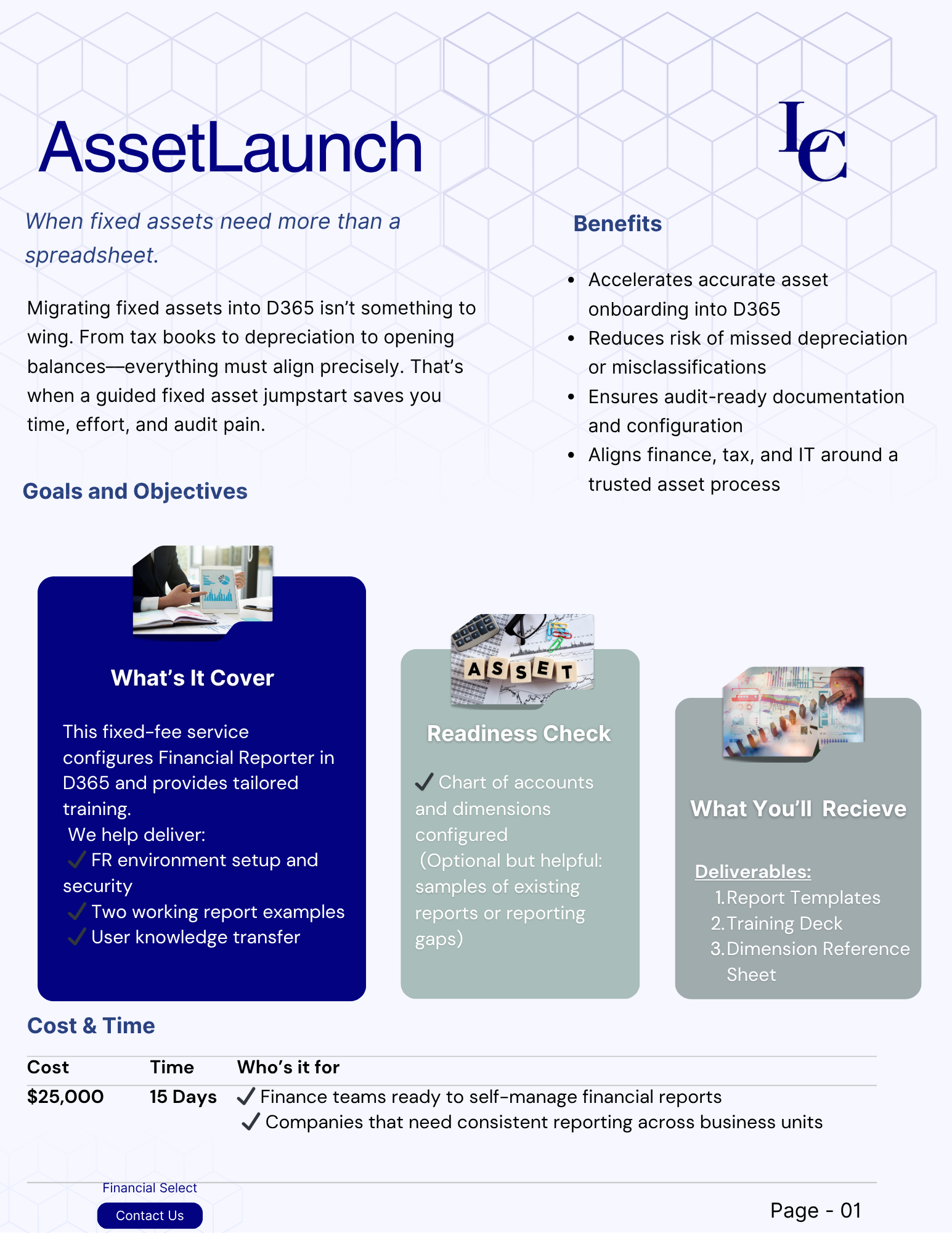
Reviews and corrects ledger-to-subledger alignment in D365 by fixing posting configurations, inventory profiles, reconciliation logic, GL mapping, and critical reporting procedures.
3 Ways to Simplify PO Automation in Dynamics GP
Posted on: June 27, 2025 | By: Page Wildridge | Microsoft Dynamics GP
Microsoft has made several announcements regarding their on premise ERP, Microsoft Dynamics GP. Although Microsoft is switching their commitment to their cloud-based Dynamics Business Central, Microsoft GP is a strong ERP with several functionalities for your business to take advantage of. If you are currently using GP, you can still modernize their processes without migrating to a new ERP. In this blog, we will cover one of the most practical ways to increase efficiency in GP today is through automated purchase order (PO) generation.
Why Automate Purchase Orders in GP?
Manually tracking stock levels, generating purchase requests, and issuing POs can be time-consuming and error-prone. With automation, your team can replenish stock based on actual demand and maintain accurate lead times and vendor preferences. Additionally, automating POs reduces the risk of stockouts or over-ordering while eliminating repetitive manual tasks.
1. Use the Purchase Orders Generator for Demand-Driven Reordering
The Purchase Order Generator in GP is designed to help you automatically generate POs based on predefined criteria such as reorder points, safety stock, order quantity, and vendor lead times. To start utilizing this feature, set up minimum/maximum quantities and reorder levels for your items in the Item Resource Planning window. There, assign preferred vendors and expected lead times. Lastly, run the PO Generator to automatically calculate what needs to be reordered—and how much. This tool streamlines replenishment by comparing current inventory against demand triggers and suggesting optimal purchase quantities.
2. Leverage SmartList for Real-Time Inventory Visibility
SmartList is an essential reporting tool that allows you to filter and export real-time inventory data. You can create custom views that flag items below minimum levels, products frequently backordered, or high-turnover SKUs approaching restock thresholds.
Combine this with Excel Refreshable Reports to build dashboards that auto-update as your inventory changes. These reports can guide your purchasing team on what needs to be ordered each day or week. Additionally, this eliminates manually digging through item cards.
3. Incorporate Requisition Management and Workflow with Automated Purchase Orders
If you’re using GP’s Workflow functionality, Requisition Management offers an additional layer of control. Employees or departments can submit purchase requests based on current inventory needs, which are then routed for approval before a PO is created. This hybrid approach is especially useful in organizations that want to blend automation with managerial oversight.
Next Steps
If your business is working with GP and is not interested in making a large switch, you don’t need to change your ERP to modernize your procurement processes. Microsoft Dynamics GP continues to offer robust, reliable features that can support efficient and accurate purchase order automation. If you are interested in learning more about Microsoft’s plans with the ERP, contact us today to speak to an expert. As a proud Microsoft partner, Logan Consulting is here to answer your questions about the ERP.