


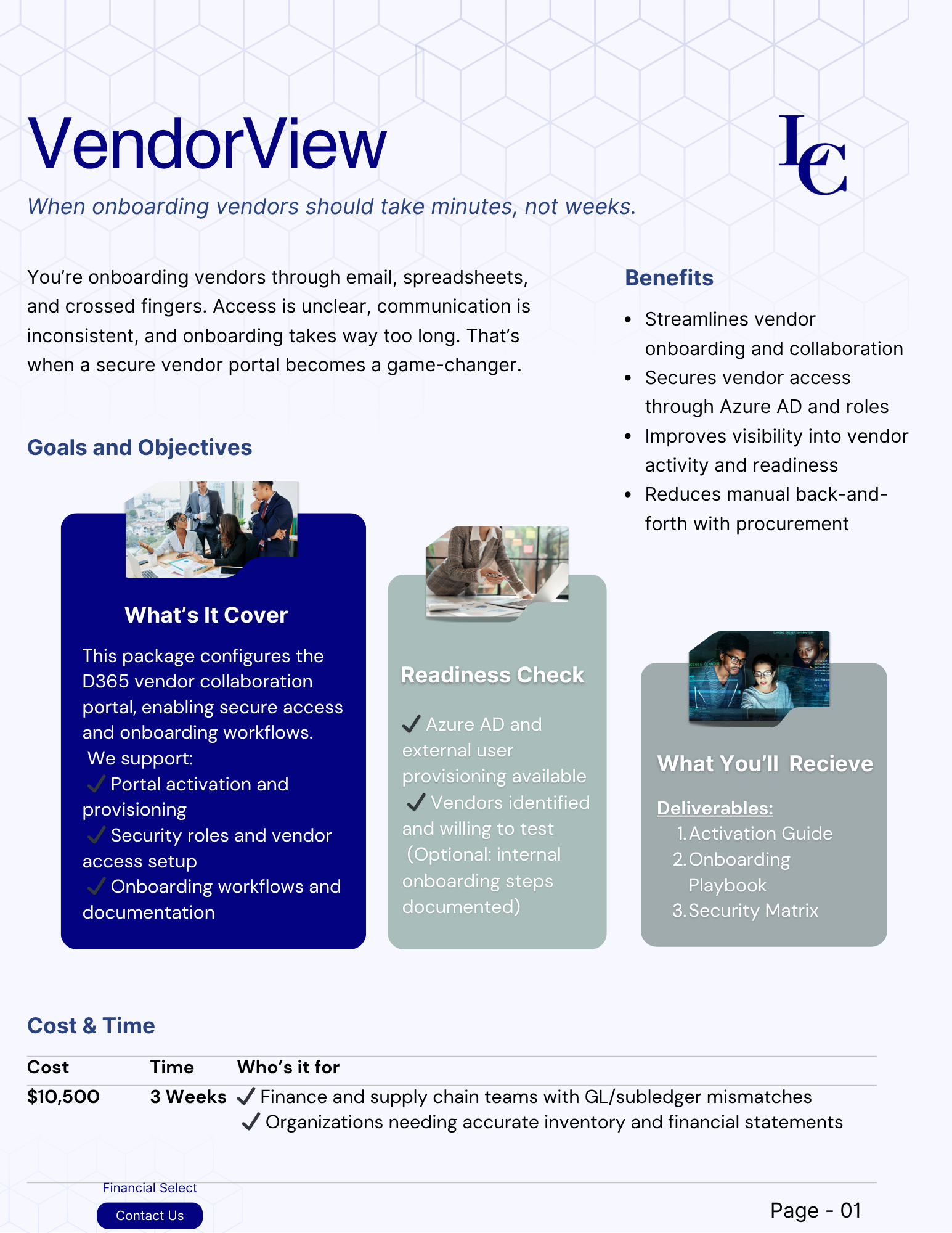


Reviews and corrects ledger-to-subledger alignment in D365 by fixing posting configurations, inventory profiles, reconciliation logic, GL mapping, and critical reporting procedures.
How to Successfully Present QAD Reports to Management
Posted on: January 14, 2026 | By: Blake Moore | QAD Business Process, QAD Financials|QAD Business Process
QAD provides a wealth of operational and financial data, but even the most accurate reports can fall flat if they aren’t presented in a way leadership can quickly understand. Successful reporting to management isn’t about showing everything QAD can do; it’s about highlighting what matters most and connecting data to decisions. When reporting to management ensure you know what data and trends they are needed to be seen or reviewed.
With the right approach, QAD reports can become a powerful tool for alignment, accountability, and strategic planning.
Start with the Business Question, Not the Report
Before pulling data, clarify what leadership needs to know. Executives are typically focused on trends, risks, and outcomes—not transactional detail. Framing reports around questions such as “Are we improving?” or “Where are we at risk?” helps ensure the data supports decision-making rather than overwhelming the audience.
Focus on Trends and Exceptions
Management-level reporting should emphasize:
- Trends over time rather than single data points
- Variances from plan or expectation
- Exceptions that require action
Summarizing this information up front allows leaders to quickly grasp the story behind the numbers.
Simplify the Presentation
Even when reports are generated directly from QAD, presentation matters. Avoid cluttered layouts or overly technical terminology. Clear labels, consistent timeframes, and brief explanations help bridge the gap between system output and business insight. The presenter should be able to easily talk to and elaborate on the data being presented but the presentation should remain uncluttered and to the point.
When possible, limit each report to one key message.

Tie Data to Impact and Action
Management wants to know why the numbers matter. Pairing QAD data with brief commentary, such as operational implications, financial impact, or recommended next steps, adds context and increases confidence in the information being presented.
This approach shifts reporting from passive review to active discussion.
Build Trust Through Consistency
Using consistent metrics, definitions, and formats over time builds credibility. When leaders trust the data, conversations move faster and focus more on solutions than validation.
Conclusion: Make QAD Reporting Work for Leadership
Presenting QAD reports effectively is less about technical expertise and more about communication. By focusing on relevance, clarity, and action, organizations can ensure their ERP data supports informed decision-making and drives meaningful results.
Next Step
For more QAD implementation Tips and Tricks contact our experts here.