

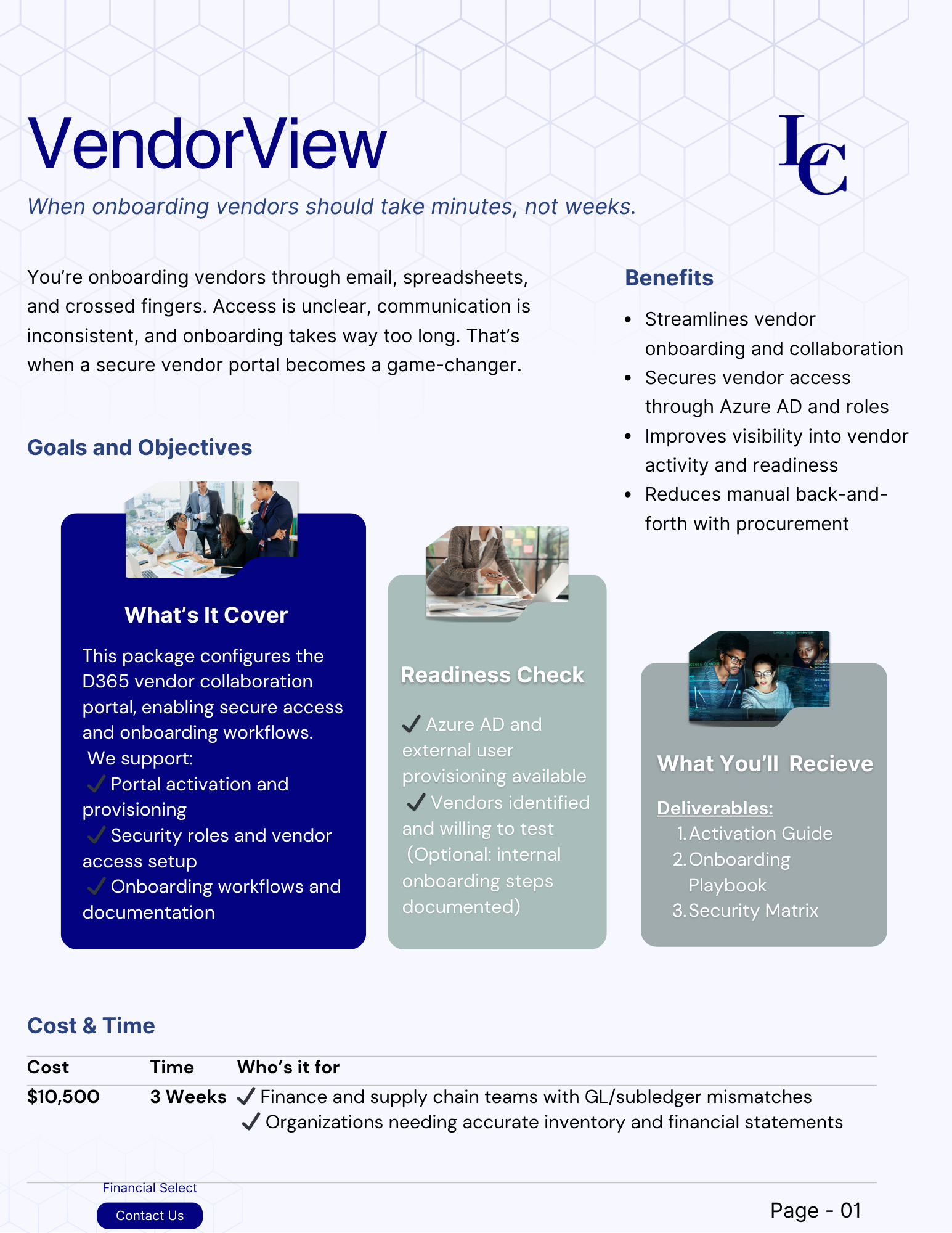


Reviews and corrects ledger-to-subledger alignment in D365 by fixing posting configurations, inventory profiles, reconciliation logic, GL mapping, and critical reporting procedures.
QAD Kanban Series: Overview
Posted on: August 18, 2025 | By: Alexa Leitner | QAD Business Process
This is the first in a four-part series of blogs that will discuss QAD Kanban. In this series we will discuss an overview of Kanban in QAD highlighting benefits and use cases, the system set up needed to implement Kanban, the system execution and transactions related to using Kanban, and finish the series with managing the Kanban processes in your environment.

Overview
Kanban is a part of QAD’s Lean Manufacturing Module which enables pull-based production and inventory control using repeatable, data driven processes. Kanban loops, supermarkets, card signaling, and calculated parameters power replenishment that responds dynamically to demand, with minimal manual intervention. The module manages Every-Part-Every-Interval (EPEI), takt time, safety stock, order points, and supermarket sizes—automatically calculating optimal Kanban sizing based on average daily demand and replenishment lead times.
Use Cases
There are countless use cases where implementing Kanban with QAD makes sense for a business which can include:
Lean / Just-in-Time Manufacturing
Organizations pursuing lean principles deploy QAD Kanban to reduce waste, limit Work-in-Process (WIP), and improve responsiveness. The pull system ensures parts are replenished only as needed—reducing excess inventory and aligning production tightly with actual demand.
Automotive, Electronics, Food & Beverage
High volume, sequence driven industries like automotive have leveraged QAD Kanban effectively. For example, a major automotive supplier implemented electronic Kanban loops across multiple plants to support final assembly lines and supplier synchronization.
Multisite or Supplier Integrated Environments
When external suppliers or multiple production sites are involved, QAD’s Kanban data exchanges—part of Supply Visualization—enable real time tracking and visibility of material flow across the supply chain.
Benefits of Kanban
Inventory Optimization & Waste Reduction
By deploying pull-based replenishment, companies cut excess buffer and WIP. Smaller, more frequent loops further reduce overstocks, while safety stock logic prevents stockouts—resulting in leaner, cost efficient inventory.
Data Driven Decisions
Schedulers and planners use embedded analytics and the Kanban Workbenches to evaluate scenarios. Adjusting card quantities, pack sizes, FIFO lanes, and lead assumptions can be simulated and applied based on actual performance data.
Visibility & Supplier Collaboration
Through QAD Supply Visualization, suppliers can monitor Kanban card statuses, order points, and buffer levels in real time. This fosters tighter coordination, shorter lead times, and fewer interruptions in supply flow.
Consistency & Scalability
QAD Kanban is built for organizations running MRP, lean, discrete, repetitive, or mixed mode processes. It handles complexity—from multisite manufacturing to global supplier networks—while maintaining consistent data logic and control through the QAD architecture.
Conclusion
QAD Kanban is a mature, integrated lean manufacturing module designed to support pull-based production across complex, multisite manufacturing environments. Kanban in QAD helps organizations reduce inventory waste, synchronize production flow, and build responsiveness into their supply chain.
In the next blog, we will dive deeper into all the set up activities that are needed to implement Kanban in your environment.
Next Steps
If you’re ready to elevate your team’s QAD expertise, we’re here to help. Logan Consulting specializes in QAD training tailored to your organization’s unique needs. Contact us today at info@loganconsulting.com or call (312) 345-8817 to learn more about how we can support your team’s growth and development.