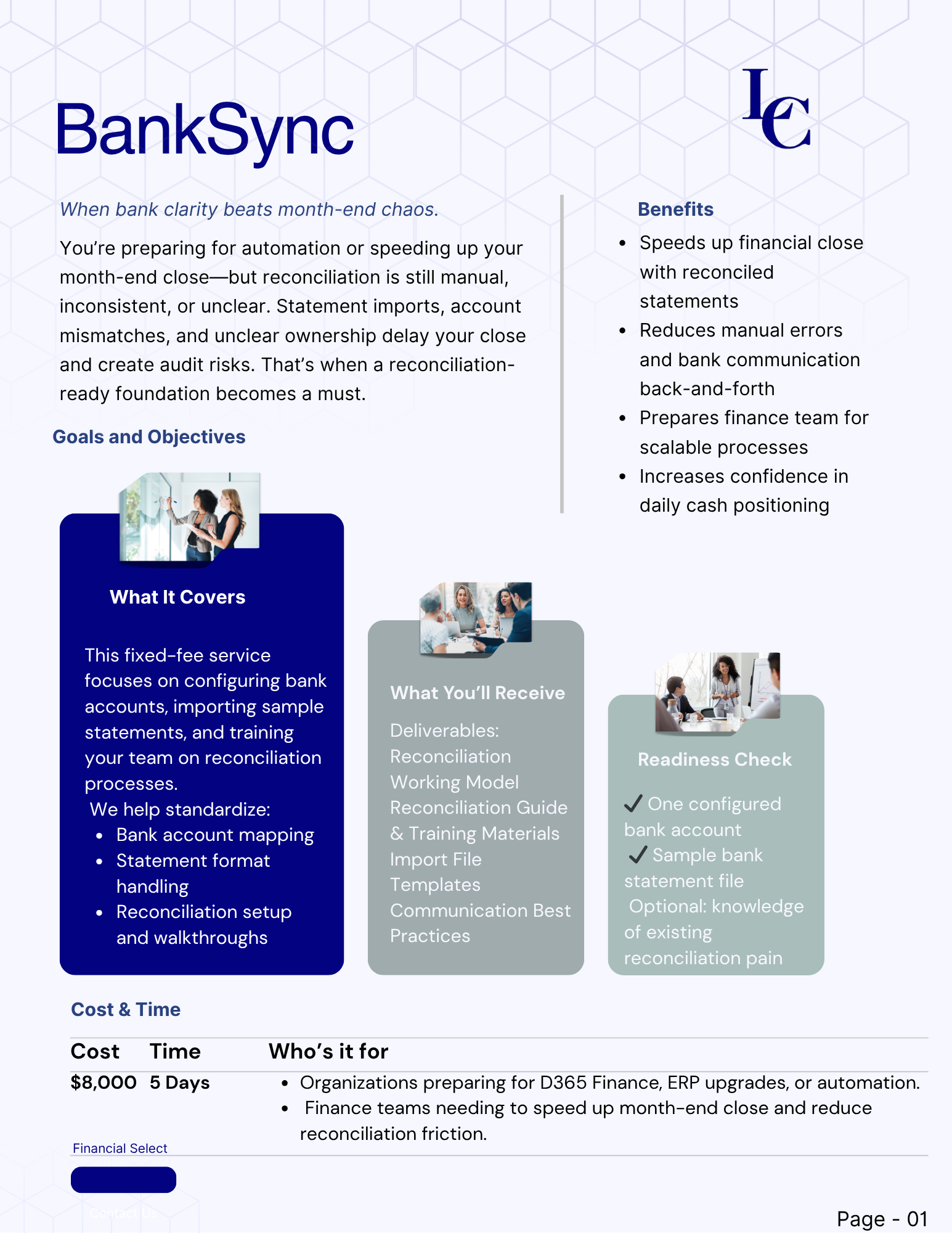


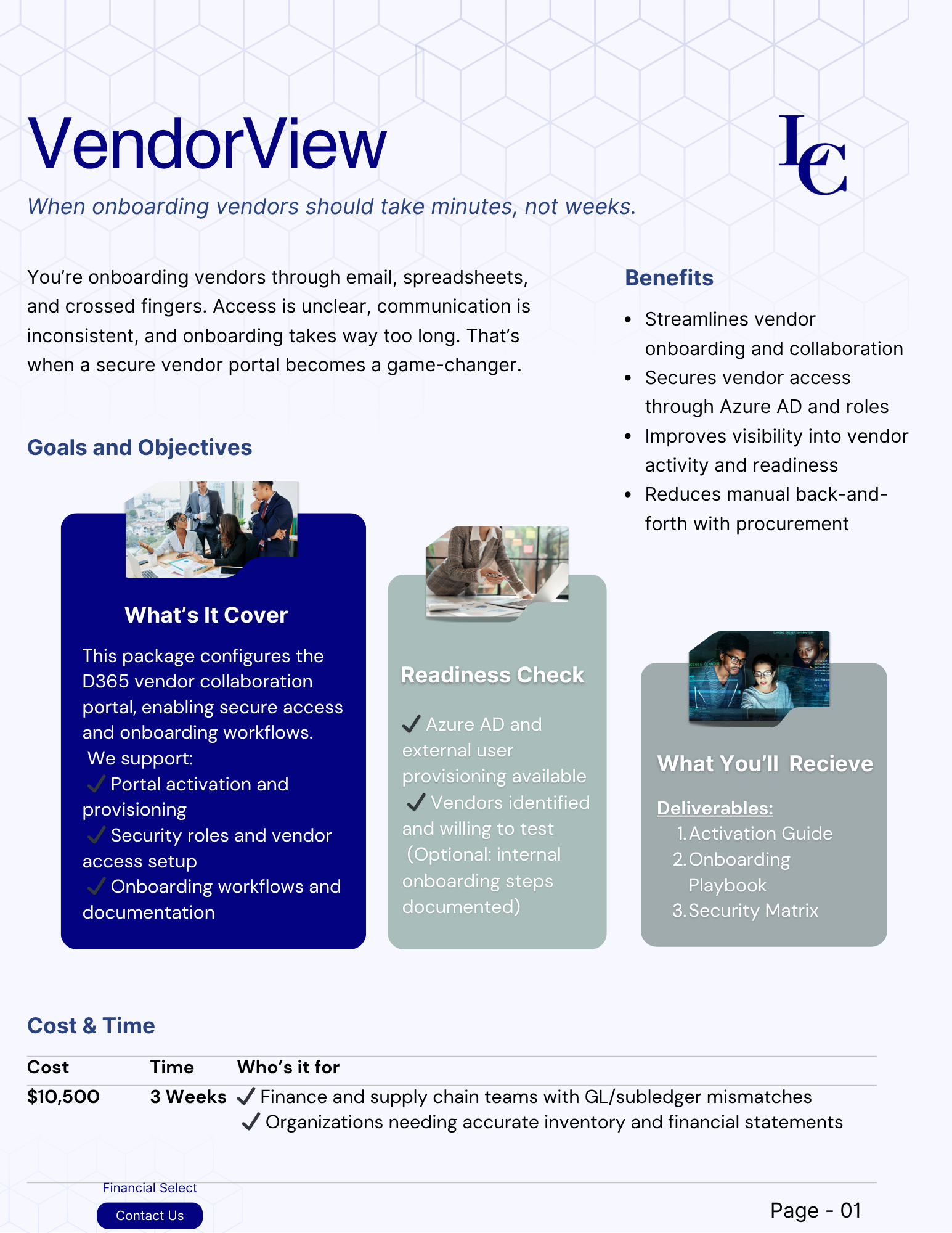


Reviews and corrects ledger-to-subledger alignment in D365 by fixing posting configurations, inventory profiles, reconciliation logic, GL mapping, and critical reporting procedures.
QAD Kanban Series: Management
Posted on: November 20, 2025 | By: Alexa Leitner | QAD Business Process
This is the final blog in a four-part series of blogs that will discuss QAD Kanban. In the first blog we discussed an overview of Kanban in QAD highlighting benefits and use cases, in the second we discussed the set up needed to implement Kanban, and in the third we discussed system execution and transactions related to using Kanban.
In this blog we will finish the series managing the Kanban processes in your environment. Aside from the set up and execution of Kanban processes in your environment, QAD has multiple out of the box ways to help manage your process through different tools and reports.
Kanban Card Management
In QAD, the Kanban Card Management (17.3.16) screen allows management of multiple loops by analyzing system-generated recommendations to create, activate, close, or inactive cards to help reconcile loops to optimum sizing. Within Kanban Card Management, there are seven different functions that can help manage Kanban cards.

Loops Analysis and Recommendations can be used to view buffer and card information by status with recommendations for synchronizing the number of active cards with recommend max for each loop.

Analyze Card Information function allows you to analyze Kanban card information for all cards in a loop.

Increase/Decrease Cards in Loop functions of Kanban Card Management allow you to increase or decrease all selected loops by a constant number of cards. For Increase Cards in a Loop, QAD will use the phase-method in Kanban control to determine if inactive cards should be active before creating new cards. For Decrease Cards in a Loop, if you want to reduce the number of cards by more than the available empty cards, the system follows the sequence of status Full, Shipper, In FIFO, Acknowledged, Authorized.


Delete Inactive Cards function will delete all cards that are inactive from the selected loops.

Evaluating Supermarkets
QAD has two programs that will allow you to view historical or projected performance of Kanban supermarkets on the metrics of meeting demand without holding excess inventory. These two programs are the Historical Buffer Evaluation (17.2.13) and the Supermarket Workbench (17.2.7).
Use Historical Buffer Evaluation (17.2.13) to determine how frequent a supermarket buffer went below the user-defined critical and warning parameters during a specified number of days. In the first frame of this program, you can enter the site, supermarket, item (or combination of these), and specify the number of evaluation days. The second frame of this program will display the historical data of how often this buffer went below your set warning and critical points.


Use the Supermarket Workbench (17.2.7) to simulate the performance of an inventory supermarket based on future demand. The future demand includes forecasts, customer schedules, sales orders, intersite demand, RMAs, and material orders. The program has color codes to identify days when the buffer falls below the specified warning and critical values.


Generating Level Schedules
QAD has the concept of level schedule which is a production schedule that indicates the quantity of each item a process must produce during each shift to meet the takt time over a planning period. QAD has two methods to calculate the level schedules for your manufacturing process.
Use the Preliminary Level Schedule Report (17.14.2) to calculate the number of units that must be produced during each shift to meet takt time requirements of a process.
Use Level Mix Workbench (17.14.1) to calculate the volume of all parts that must run each day based on time available and takt time. This will also determine the mix of various items produced in the process using historical demand percentages. It will also calculate a suggested daily level schedule by shift for each item and allow update of the master production schedule.
Kanban Reports
Out of the box QAD has large number of reports related to Kanban that can be used to reference or help guide decision making throughout your processes. Below are some examples of the QAD reports that may help with Kanban processing.
Inventory Validation Report (17.6.13) – This report will show the difference between inventory represented by full replenishment cards and the on-hand inventory balance of the supermarket location.
Kanban Card Inquiry (17.3.3.) – This inquiry shows the Kanban loop and card data for a specified card.
Kanban Card Audit Report (17.3.14) – This report will compare the system recommended number of Kanban cards for a loop to the actual number of active cards.
Item/Loop/Card Transaction View (17.6.8) – This view will display Kanban and inventory transaction data for individual cards by item number.
Kanban Transactions Audit Report (17.6.15) – This report will list Kanban transaction history by selected criteria associated with the loop, source, or cards.
Missing Kanbans Report (17.6.18) – This report will determine the time elapsed between the last transaction for a Kanban card and the current date/time. If the time between is larger than the maximum Kanban cycle, then those cards are included in this “Missing Kanbans Report”.
Conclusion
Throughout the series we have discussed the Kanban process through overview and benefits, steps to set up Kanban, executing Kanban through different transactions, and ways to help manage Kanban through different tools and reports. As mentioned, Kanban can be configured in many ways to fit your business needs and may look different across business scenarios. A part of QAD’s Lean Manufacturing module, Kanban enables pull‑based production and inventory control using repeatable, data‑driven processes. It can provide benefits such as inventory optimization, waste reduction, supplier collaboration, and scalability.
Next Steps
If you’re ready to elevate your team’s QAD expertise, we’re here to help. Logan Consulting specializes in QAD training tailored to your organization’s unique needs. Contact us today at info@loganconsulting.com or call (312) 345-8817 to learn more about how we can support your team’s growth and development.