

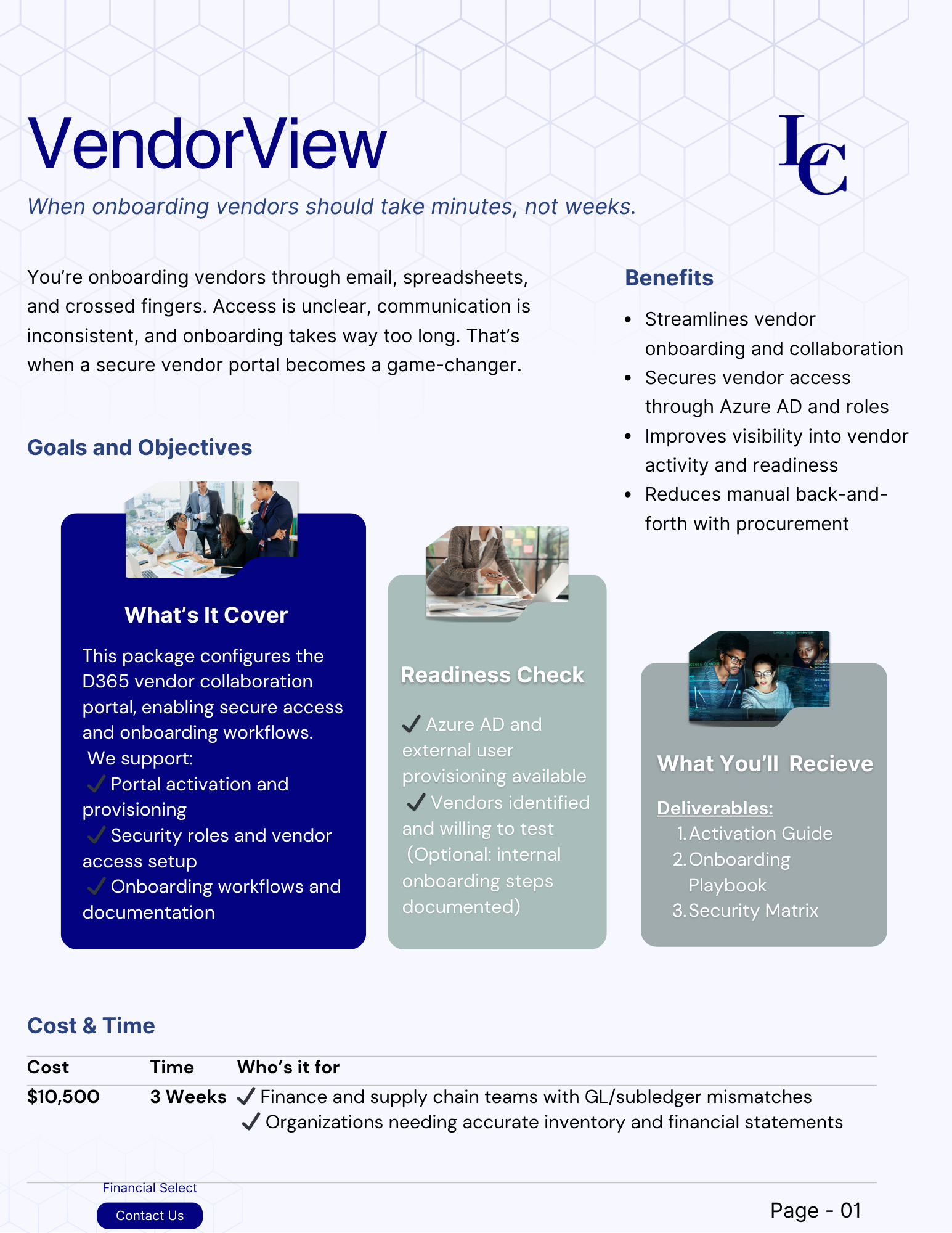


Reviews and corrects ledger-to-subledger alignment in D365 by fixing posting configurations, inventory profiles, reconciliation logic, GL mapping, and critical reporting procedures.
QAD Cash Application: Payment / Remittance Automation
Posted on: October 9, 2024 | By: Guy Logan | QAD Financials, QAD Manufacturing, QAD Business Process, QAD Distribution
More commonly than not, applying cash has been a manual and tedious process. It can be extremely taxing for the finance department to accomplish this each month and stay on top of it. It is often a process that is consistently behind in getting the data into the system.
In this blog we will identify two options that are now available in the more recent versions of QAD EE /AUX. We will provide a bit more insight into the options your financial department may have to aid in automating most of these cash records. It’s not a full proof solution unfortunately as there are typically still some exceptions that will continuously require manual intervention to determine and apply. The idea is that you will have a couple of different options to apply cash and work to resolve your exceptions, cutting down the manual effort that the process typically involves.
So, what are those options?
- Self-Billing Module
- Advanced Self-Billing Module
- Process Incoming Bank Files (PIBF)

Self-Billing Module
Designed to provide a means for applying the cash from a customer that matches to an internal shipment/invoice withing QAD. When a shipment to a customer is made it will create the invoice to the customer and post the invoice to AR. When the customer sends the remittance it will be applied in the self-billing maintenance to perform and match on that invoices to reconcile and apply the cash.
Benefits:
Provides the option of creating an accrual at the time of shipment to recognize the value of the shipment that is not yet invoiced. This is beneficial for customer relationships where the customer pays the supplier based on the information the supplier provides.
Concerns:
For legal self-billing this option is not ideal as the supplier created the invoice and revenue is recognized too early and additionally forces VAT payments earlier. It also holds the concern that the customer will not look at the supplier’s invoice and just expects the supplier to reconcile the differences.
Advanced Self-Billing Module
This option works like Self-Billing, however when the shipment is made the invoice is not created and sent to the customer. The invoice will be created by the customer and provided to the supplier
from which the supplier will then create the invoice internally to align. This postpones the supplier’s ability to create an invoice and post it to AR, and therefore delays the recording of any VAT.
Benefits:
Because the customer creates the invoices and sends them to the supplier the supplier can be confident in the payment. The invoice sent can be automatically loaded and compared to shipment data in QAD leveraging algorithms to reduce any manual reconciliation. Any differences can then be discussed with the customer to decide how to reconcile.
Concerns:
For legal self-billing the advanced self-billing solution must be used. In addition to this, with the invoice coming directly from the customer the supplier is dependent upon the customer’s pricing, which may or may not align with the suppliers and could cause discrepancies.
Process Incoming Bank Files (PIBF)
This process allows a bit more flexible in cash application via excel spreadsheet upload to provide a bulk import into QAD. The excel spreadsheets are predefined layouts and can greatly increase the speed at which you manually apply cash through banking entries.
Benefits:
The excel integration feature of the manual upload provides the financial department with the ability to manage the cash entries to apply in a more bulk like effort aiding ability to apply a lot of transactions at once. Another large benefit to using PIBF for your cash application needs is that as of QAD EE 2016 and higher you can manage deductions along with the cash application. This will allow you greatly reduce the manual exceptions and limit reconciliation effort.
Concerns:
While the excel integration greatly speeds up the entry there is still a lot of manual data manipulation to get the records in the dedicated template. This still requires a lot of manual intervention to ensure all data points are correct before the import.
Automation
Ultimately the goal with all three options here is to gain a more fully automated process that can reduce the overhead of evaluating and applying your cash. Luckly all these options can be fully integrated via QAD eCommerce module today. With the appropriate development and trading partner libraries in place you can receive files from your customers whether they are traditional EDI Remittance Advice (X12 820 / EDIFACT REMADV), flat file, excel file, or other.
This integration will likely require some additional front-end translation or preprocessing of some sort to align a file layout with the standard QAD format for each solution.
It is also recommended to outline the exact business rules, validation, and conditions that will apply to the various customers’ remittance documents you will receive to allow for successful imports with limited exceptions.
The benefit to leveraging QAD eCommerce module for this is that the error handling all already built in for proper visibility, reporting, and management.
In conclusion, it is advised that you put some time into deciding which solution best suits your organization’s cash application needs. Identify your requirements, your customers’ requirements, and which module will likely be the correct path for you. In terms of automation, review your options and toolsets to determine what will help you in optimizing your solution and reducing the number of exceptions the organization will need to continue to manually address. It is inevitable that some manual effort will always still remain, but the goal is to reduce the overall effort.
Next Step
If you are interested in learning more about the QAD Cash Application, contact us here to find out how we can help you grow your business. You can also email us at info@loganconsulting.com or call (312) 345-8817.