

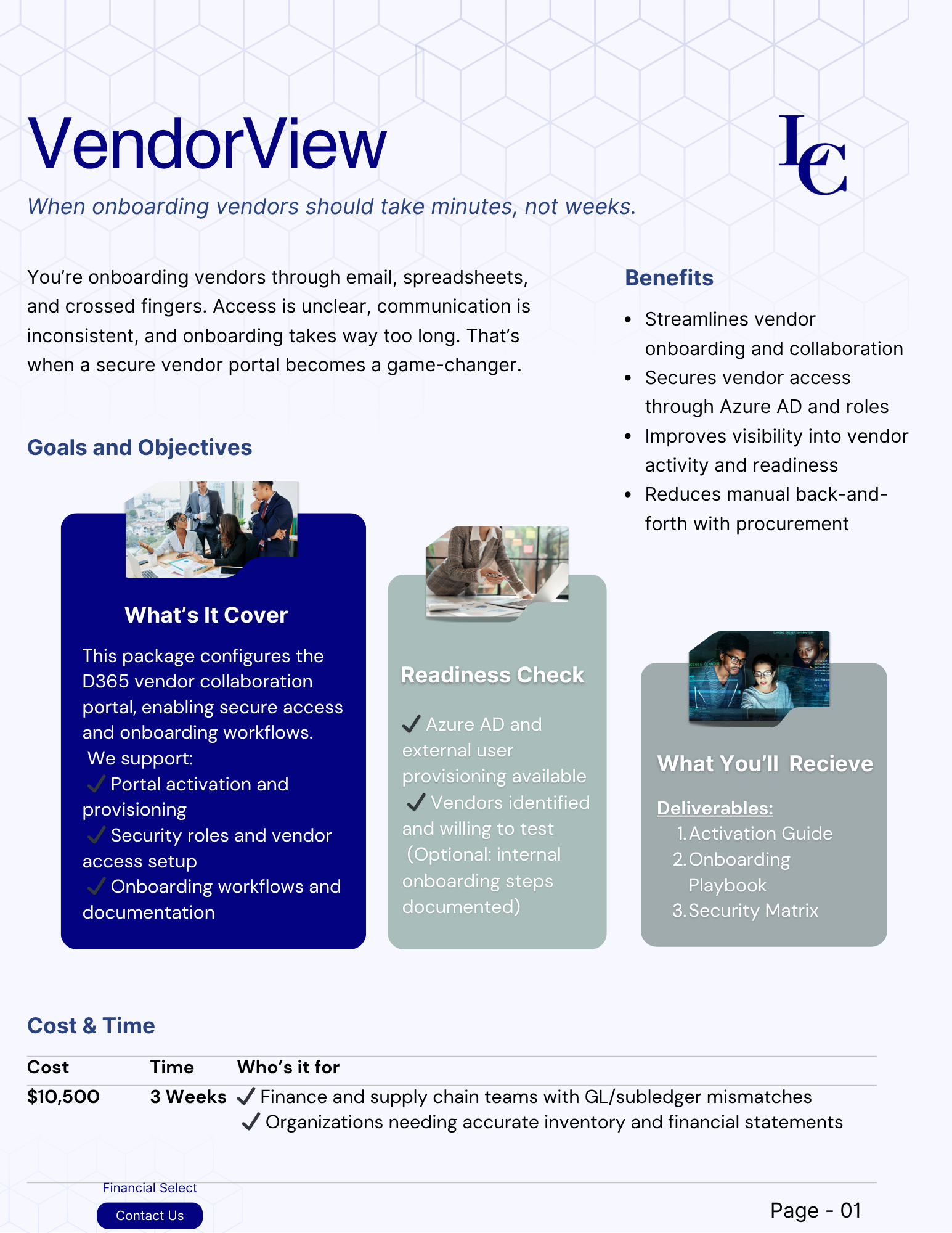


Reviews and corrects ledger-to-subledger alignment in D365 by fixing posting configurations, inventory profiles, reconciliation logic, GL mapping, and critical reporting procedures.
Optimizing Inventory Allocation in the Food and Beverage Industry with Microsoft Dynamics 365 Supply Chain Management
Posted on: February 13, 2025 | By: Maya VanderWoude | Microsoft Dynamics AX/365, Microsoft Dynamics Manufacturing
In the food and beverage industry, efficient inventory allocation across multiple sales channels, customer segments, and geographic regions is critical. Fluctuating demand, supply chain disruptions, and perishable goods require businesses to strategically allocate inventory to maximize revenue, minimize waste, and fulfill commitments to key customers.
Microsoft Dynamics 365 Supply Chain Management offers robust inventory allocation capabilities that help food and beverage companies take control of stock distribution. By strategically allocating inventory before sales transactions occur, businesses can protect high-priority stock, prevent overselling, and ensure that key distribution channels receive the supply they need.

The Role of Inventory Allocation in Food and Beverage Operations
1. Protecting Allocated Inventory
Food and beverage businesses often serve multiple sales channels, including wholesalers, grocery retailers, direct-to-consumer (DTC) e-commerce, and foodservice distributors. Ensuring priority customers receive the stock they need is essential, particularly when dealing with limited inventory or promotional items.
With inventory allocation, businesses can virtually set aside stock for specific customers or sales channels before sales orders are placed. This prevents other transactions from consuming high-priority inventory and ensures key accounts are serviced reliably.
2. Preventing Overselling and Stock Disruptions
Overselling inventory can lead to stock shortages, customer dissatisfaction, and financial penalties. By allocating inventory based on forecasted demand and business priorities, food and beverage companies can prevent any single customer or channel from consuming more than its fair share of stock.
Microsoft Dynamics 365 Supply Chain Management allows businesses to restrict inventory consumption by setting predefined limits, ensuring that stock remains available for its intended purpose.
3. Managing Seasonal and Promotional Demand
The food and beverage industry is heavily influenced by seasonal trends and promotional campaigns. Limited-time offers, holiday-related spikes in demand, and new product launches require careful inventory planning.
With inventory allocation, businesses can proactively set aside inventory for promotions, ensuring products are available in the right locations at the right time. This helps prevent stockouts during peak demand periods and improves customer satisfaction. Learn more about demand forecasting for the food and beverage industry in our previous blog.
4. Enhancing Multi-Channel Distribution Efficiency
Many food and beverage companies operate across multiple regions, requiring strategic inventory distribution to meet regional demand variations. Microsoft Dynamics 365 Supply Chain Management enables businesses to create allocation hierarchies based on region, sales channel, or customer segment.
For example, a beverage manufacturer can allocate stock to different regions based on historical sales data, ensuring that high-demand areas receive adequate supply while avoiding excess stock in lower-demand regions.
Inventory Allocation for Real-Time Visibility
One of the most significant advantages of using inventory allocation in Microsoft Dynamics 365 Supply Chain Management is real-time tracking and adaptability. Businesses can:
- Monitor allocated inventory levels and consumption rates.
- Adjust allocations dynamically based on real-time sales and supply chain conditions.
- Reallocate stock to different channels or customers as needed to optimize fulfillment and reduce waste.
This level of flexibility is particularly valuable in the food and beverage sector, where demand patterns can shift rapidly due to market trends, weather conditions, or unforeseen supply chain disruptions.
Maximizing Business Performance with Inventory Allocation
By leveraging the inventory allocation capabilities of Microsoft Dynamics 365 Supply Chain Management, food and beverage companies can:
- Ensure priority customers and sales channels receive their demanded inventory.
- Reduce waste by strategically managing perishable stock.
- Prevent overselling and avoid penalties or stock shortages.
- Improve overall supply chain efficiency and responsiveness.
- Gain better control over promotional and seasonal inventory demands.
Conclusion
Inventory allocation is a powerful tool for food and beverage companies looking to optimize supply chain operations, reduce waste, and ensure consistent fulfillment across multiple sales channels. By leveraging Microsoft Dynamics 365 Supply Chain Management, businesses can proactively manage inventory distribution, protect high-priority stock, and adapt to shifting demand with real-time insights. A strategic approach to inventory allocation not only enhances operational efficiency but also strengthens customer relationships and drives long-term success.
Next Steps:
If you want to learn more about Inventory Allocation in Microsoft Dynamics 365 Supply Chain Management, contact us here to learn how we can help you grow your business. You can also email us at info@loganconsulting.com or call (312) 345-8817.
Related Posts
-
AI That Actually Works: Where Copilot Fits Inside Dynamics 365 Operations
Posted on: April 13, 2026
AI in enterprise software has developed a familiar stage routine. The demo is slick. The summary sounds brilliant. The assistant...
-
DynamicsCon 2026 Logan Consulting Speakers and Sessions
Posted on: April 8, 2026
Logan Consulting is proud to have several team members presenting at DynamicsCon in Las Vegas. These speakers bring deep expertise...