



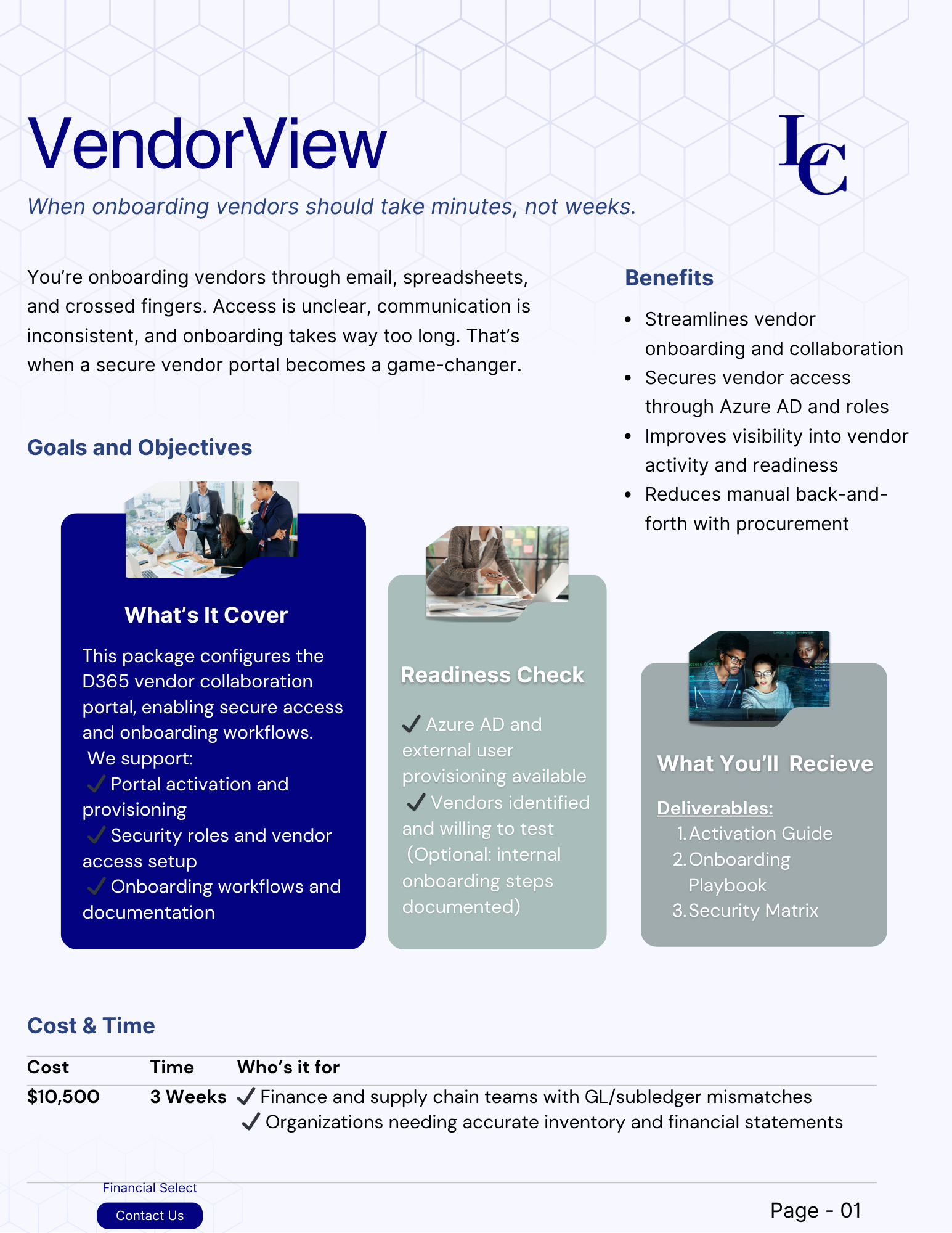


Reviews and corrects ledger-to-subledger alignment in D365 by fixing posting configurations, inventory profiles, reconciliation logic, GL mapping, and critical reporting procedures.
NetSuite Supply Chain Features & Benefits
Posted on: January 15, 2025 | By: Page Wildridge | NetSuite
In today’s fast-paced business environment, managing a supply chain efficiently is essential for staying competitive. Companies must meet fluctuating market demands, optimize operations, and ensure timely deliveries, all while minimizing costs. NetSuite ERP, a cloud-based solution, offers powerful tools to streamline supply chain processes and improve overall business performance.
Key Features of NetSuite ERP in Supply Chain Management
- Real-Time Inventory Management
Inventory management is crucial for efficient supply chains. NetSuite offers real-time tracking of inventory across multiple locations, providing businesses with accurate and up-to-date stock information. Automated inventory adjustments and stock replenishment alerts help prevent overstocking and stockouts, reducing costs and improving cash flow.
- Demand Planning and Forecasting
NetSuite’s demand planning tools leverage historical data and predictive analytics to forecast future demand. This helps businesses align inventory with actual needs, preventing overstock or stockouts. By optimizing stock levels, businesses can improve customer satisfaction and reduce holding costs.
- Supplier and Purchase Order Management
Managing supplier relationships is simplified with NetSuite. It centralizes supplier data, tracks supplier performance, and automates purchase order creation and supplier payments. This functionality helps companies ensure timely deliveries, negotiate better pricing, and streamline the procurement process.
- Supply Chain Visibility and Collaboration
NetSuite enhances supply chain visibility by providing real-time data across the entire supply chain. Whether it’s raw materials or finished goods, businesses can monitor key metrics and track performance. The cloud-based platform promotes collaboration across departments, suppliers, and distributors, breaking down barriers and fostering a more agile supply chain.
- Analytics and Reporting
NetSuite’s business intelligence (BI) tools deliver deep insights into supply chain performance. Businesses can generate custom reports on procurement costs, order fulfillment, inventory turnover, and more. These insights help identify bottlenecks, track key performance indicators (KPIs), and improve decision-making.
Benefits of Using NetSuite ERP for Supply Chain Management
1. Improved Operational Efficiency
By integrating key supply chain functions into one system, reducing the need for manual data entry, minimizes errors, and eliminates siloed processes. This results in faster, more efficient operations, reducing labor costs and improving productivity.
2. Cost Savings
Businesses can optimize inventory levels, streamline procurement, and reduce inefficiencies. This leads to significant cost savings by preventing overstocking, reducing stockouts, and minimizing warehouse and operational costs.
3. Better Decision-Making
By providing real-time data and analytics, leaders can make informed decisions quickly. With insights into inventory, suppliers, demand trends, and more, companies can respond to market changes and optimize their supply chain strategies.
Conclusion
NetSuite ERP provides a comprehensive suite of features designed to optimize supply chain management. By offering real-time inventory tracking, demand forecasting, supplier management, and more, NetSuite helps businesses reduce costs, improve operational efficiency, and enhance decision making.