



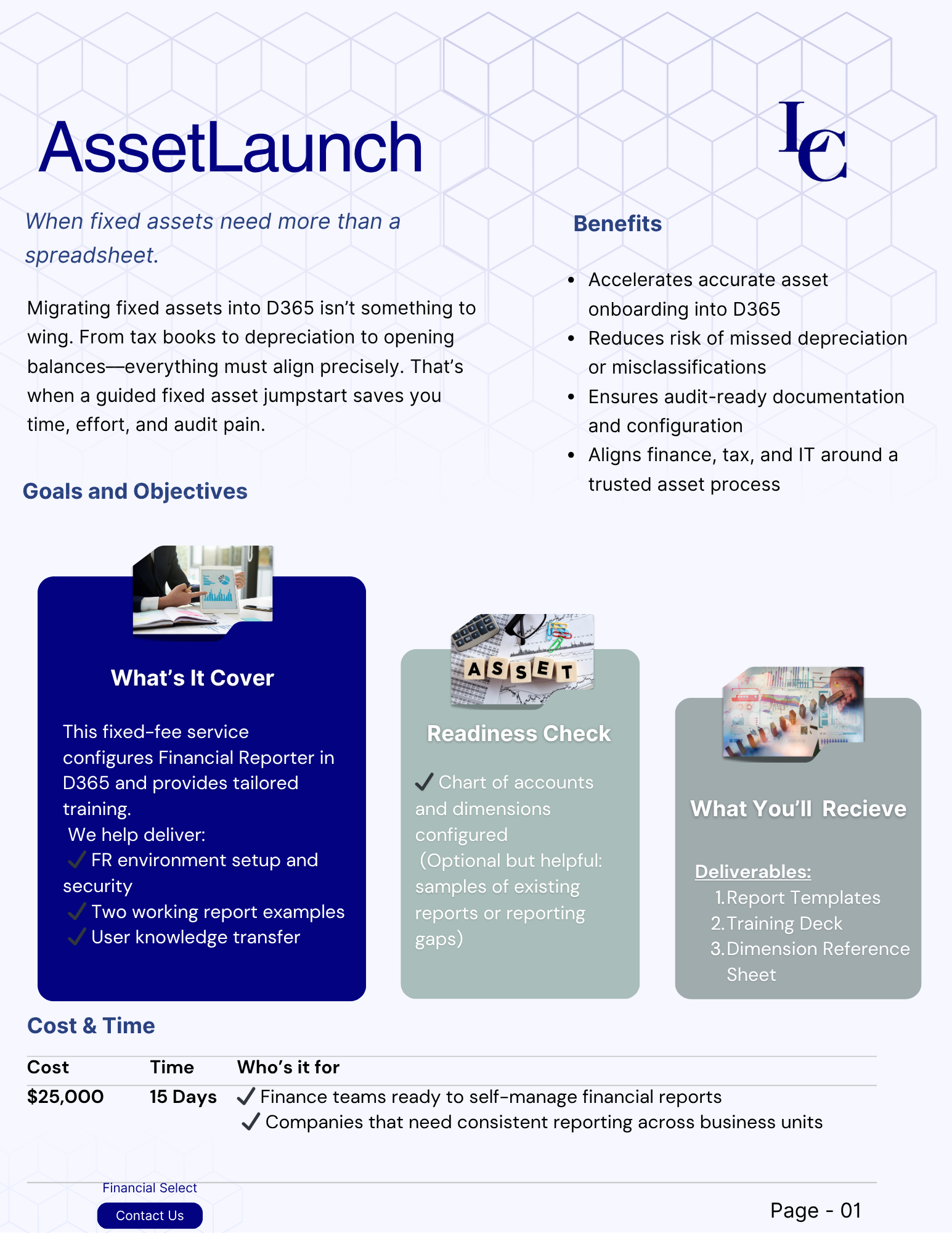
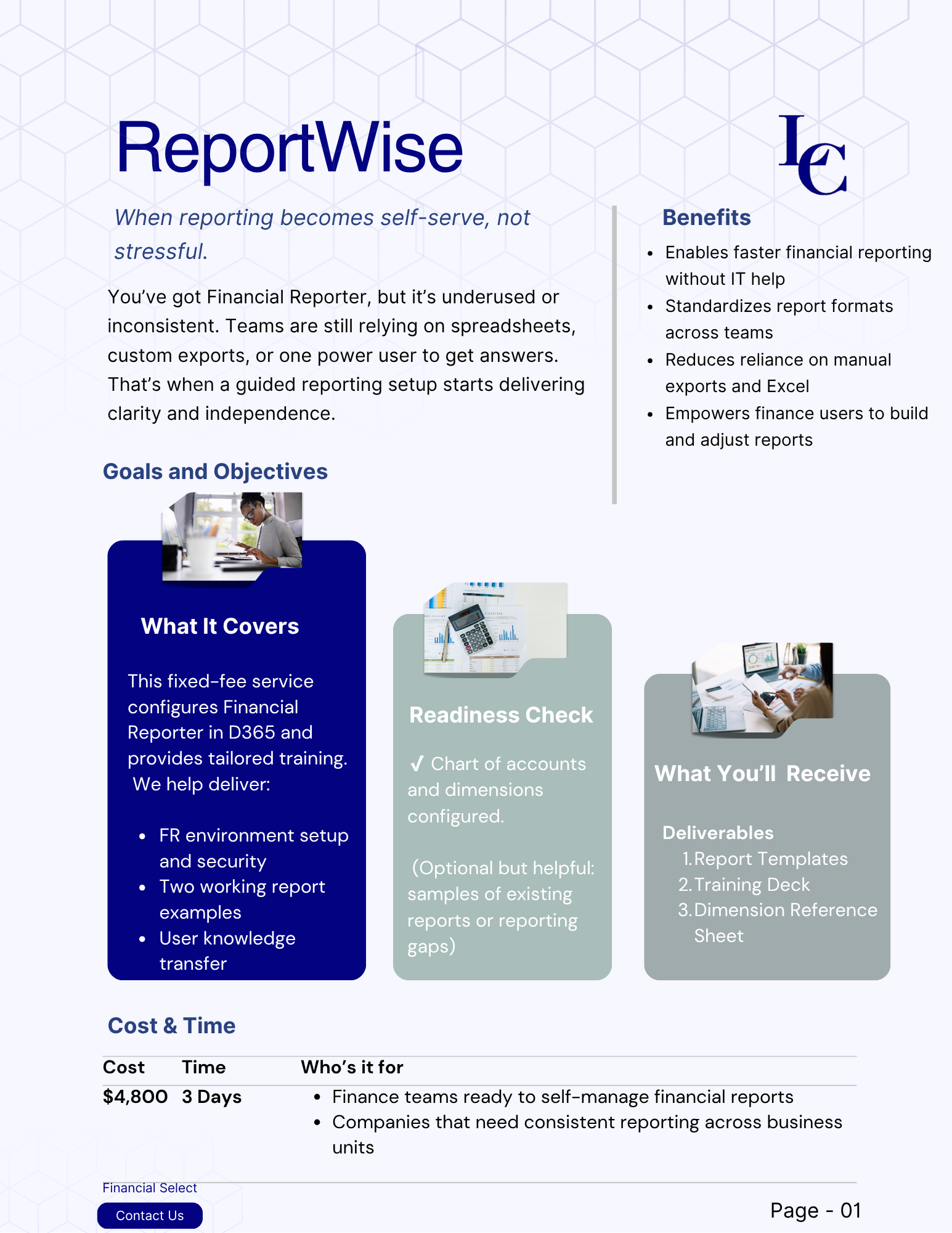
Reviews and corrects ledger-to-subledger alignment in D365 by fixing posting configurations, inventory profiles, reconciliation logic, GL mapping, and critical reporting procedures.
Demand Driven Material Requirements Planning in Dynamics 365 Supply Chain Management for the Consumer Products Industry
Posted on: July 24, 2024 | By: Maya VanderWoude | Microsoft Dynamics AX/365, Microsoft Dynamics Manufacturing
In the fast-paced world of consumer products, efficient supply chain management is essential to meet fluctuating consumer demand and maintain competitive advantage. Microsoft Dynamics 365 Supply Chain Management offers Demand Driven Material Requirements Planning (DDMRP) to help consumer products companies streamline operations, improve inventory management, and enhance overall productivity. This blog highlights how DDMRP can be leveraged within Dynamics 365 to optimize supply chain processes especially for the consumer products industry.

What is Demand Driven Material Requirements Planning (DDMRP)?
DDMRP is an advanced planning and execution methodology that strategically positions inventory and decoupling points to ensure optimal material flow. By combining elements from traditional MRP, lean manufacturing, the theory of constraints, and Six Sigma, DDMRP offers a comprehensive approach to managing supply chains in a demand-driven environment. Dynamics 365 Supply Chain Management fully supports DDMRP principles, enabling businesses to benefit from this innovative method.
Key Benefits of Using DDMRP in Dynamics 365 Supply Chain Management
1. Enhanced Customer Service
- On-Time Order Fulfillment: DDMRP helps consumer products companies consistently achieve 97 to 100 percent on-time order fulfillment rates by ensuring that inventory levels are optimized and aligned with actual demand.
- Improved Responsiveness: The methodology enables businesses to quickly respond to market changes and customer requirements, reducing lead times and improving service levels.
2. Optimized Inventory Management
- Inventory Reductions: Implementing DDMRP can lead to inventory reductions of 30 to 45 percent, minimizing excess stock while maintaining high service levels. This optimization reduces holding costs and frees up capital.
- Dynamic Adjustments: The ability to dynamically adjust buffer levels based on market conditions, planned events, or operational changes ensures that inventory remains aligned with current demand, further enhancing efficiency.
3. Lower Operating Costs
- Elimination of False Signals: DDMRP reduces the occurrence of false signals and schedule disruptions, minimizing the need for costly expedite activities such as fast freight, partial shipments, and cross-shipments.
- Efficient Use of Resources: By providing clear visibility into priorities and reducing conflicting messages, DDMRP helps planners make better-informed decisions, improving productivity and reducing operational costs.
Implementing DDMRP in Dynamics 365 Supply Chain Management
1. Strategic Inventory Positioning
- Decoupling Points: Determine the strategic locations for decoupling points within the supply chain to ensure smooth material flow and minimize disruptions. This involves calculating the decoupled lead time (DLT) for purchased, distributed, and manufactured items.
2. Buffer Profiles and Levels
- Buffer Management: Group items into buffer profiles with variable settings for zone impact. Calculate buffer and zone values using a combination of buffer profile attributes and individual part traits, such as usage, lead time, and order minimums.
3. Dynamic Buffer Adjustments
- Flexible Buffers: Adjust buffer levels dynamically to account for planned or anticipated events. This flexibility ensures that inventory levels are always aligned with current demand, reducing the risk of stockouts or overstocking.
4. Demand-Driven Planning
- Net Flow Equation: Perform the DDMRP net flow equation to qualify sales order demand and display net flow status for easy prioritization. This includes generating supply orders based on the prioritized demand.
- Planner Workbench: Utilize the planner workbench to view all elements of the net flow equation, providing a comprehensive overview of inventory status and supply order generation needs.
5. Visible and Collaborative Execution
- Buffer Status Alerts: Display alerts based on buffer status to provide real-time visibility into inventory positions. This feature enhances collaboration among supply chain stakeholders and ensures that any potential issues are addressed promptly.
Planning Optimization Add-in for Enhanced Performance
The Planning Optimization Add-in for Dynamics 365 Supply Chain Management further enhances the benefits of DDMRP by offloading master planning calculations to the cloud. This add-in offers several advantages:
- Improved Performance and Scalability: In-memory processing significantly enhances the performance of planning runs, allowing for near real-time insights into requirement changes.
- Minimized System Impact: Running master planning as a separate service reduces the impact on other system processes, ensuring smooth operations.
- Real-Time Planning: The ability to execute planning runs multiple times per day during office hours provides planners with up-to-date information, enabling more responsive and accurate decision-making.
For a deeper dive into how AI-powered demand forecasting enhances Dynamics 365 Supply Chain Management, check out our previous article on advanced AI capabilities for demand forecasting.
Conclusion
Implementing Demand Driven Material Requirements Planning (DDMRP) within Dynamics 365 Supply Chain Management offers significant benefits for consumer products companies. From improved customer service and optimized inventory management to lower operating costs and enhanced planner productivity, DDMRP provides a comprehensive solution to several challenges of modern supply chain management. By leveraging the full capabilities of Dynamics 365 and the Planning Optimization Add-in, businesses can create a predictive and resilient supply chain that adapts to changing market conditions and ensures sustained operational efficiency.
Next Steps:
If you want to learn more about Demand Driven Material Requirements Planning with Microsoft Dynamics 365 Supply Chain Management, contact us here to learn how we can help you grow your business. You can also email us at info@loganconsulting.com or call (312) 345-8817.
Related Posts
-
DynamicsCon 2026 Logan Consulting Speakers and Sessions
Posted on: April 8, 2026
Logan Consulting is proud to have several team members presenting at DynamicsCon in Las Vegas. These speakers bring deep expertise...
-
Turning Compliance Into Capability with Dynamics 365
Posted on: April 6, 2026
For a long time, compliance lived in the margins of the business. It appeared during audit season, surfaced in frantic...