

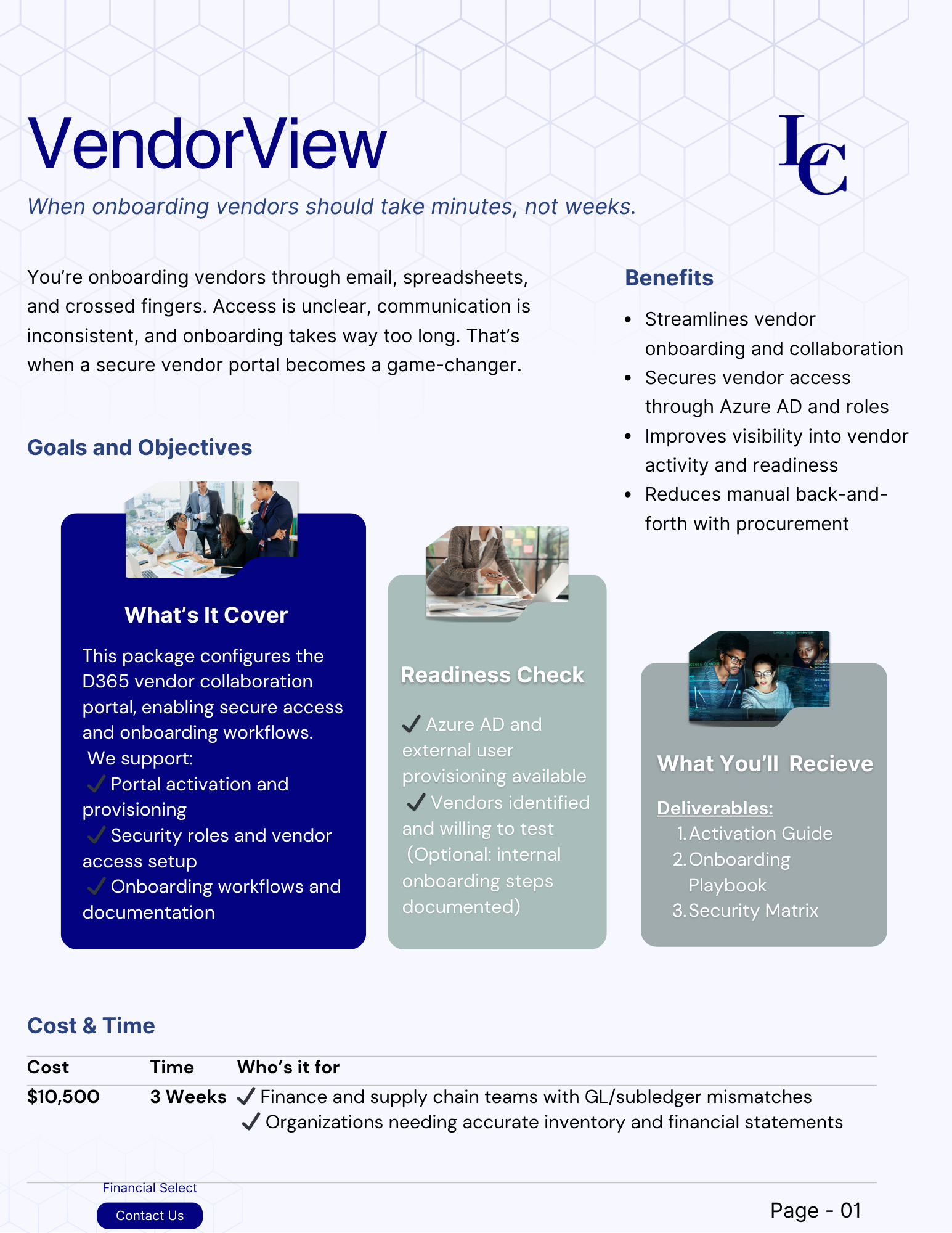


Reviews and corrects ledger-to-subledger alignment in D365 by fixing posting configurations, inventory profiles, reconciliation logic, GL mapping, and critical reporting procedures.
Getting the Most from QAD in 2025
Posted on: February 13, 2025 | By: Alexa Leitner | QAD Business Process
As a QAD ERP client, you understand the importance of staying ahead in an ever-evolving manufacturing landscape. While the transition to O3 will eventually bring significant advancements, there are several strategic actions you can take now to maximize your current QAD ERP system and ensure a smooth transition when the new version becomes available. Here are the best steps you can take while waiting:
-
Optimize Your Current QAD ERP System
In our conversations with multiple QAD clients, a common theme was the underutilization of its QAD capabilities. If you are not using QAD for BOMS, Routings, Forecasting and/or MRP, now is an optimal time to conduct a system audit to assess inefficiencies and identify opportunities for improvement. Engage with your teams to ensure that current functionalities are being fully leveraged. QAD excels in all of these areas and more, many of which can be optimized with better configurations or additional training.
-
Enhance Data Quality and Governance
Data integrity is a foundational component of any ERP system. Our experience is this is another area that is often overlooked. Use this waiting period to clean up your data, standardize entries, and remove redundancies. Poor data quality can lead to inefficiencies and errors, making future migrations more difficult. Investing in strong data governance now will ensure a seamless transition to O3 and improve overall business performance.
-
Review and Improve Business Processes
A delayed ERP release presents an excellent opportunity to evaluate and refine business processes. Map out workflows, eliminate redundancies, and streamline operations where possible. QAD’s Business Process Management (BPM) tools can help organizations document and optimize processes, ensuring that they align with industry best practices.
-
Invest in Employee Training and Change Management
ERP success depends on user adoption and competency. Take this time to provide additional QAD training to employees, ensuring they are proficient in existing system functionalities and prepared for new features in O3. Additionally, establish a change management plan to facilitate a smoother transition when the upgrade is eventually rolled out.
-
Evaluate Customization and Extensions
Some businesses rely on customizations or third-party extensions to enhance their ERP experience. Assess whether your current custom solutions align with QAD’s long-term roadmap and determine if they will be compatible with O3. This evaluation can prevent disruptions and ensure continued system efficiency.
Conclusion
As we wait for QAD’s O3 version to become available, it’s an opportunity to strengthen your current ERP usage, enhance data quality, improve business processes, and prepare for a seamless transition. By taking proactive steps now, your organization can ensure that it is well-positioned to capitalize on the benefits of the new release as soon as it becomes available. Instead of simply waiting, take action to optimize and future-proof your QAD ERP investment today.

Next Steps
If you’re ready to elevate your team’s QAD expertise, we’re here to help. Logan Consulting specializes in QAD training tailored to your organization’s unique needs. Contact us today at info@loganconsulting.com or call (312) 345-8817 to learn more about how we can support your team’s growth and development.