



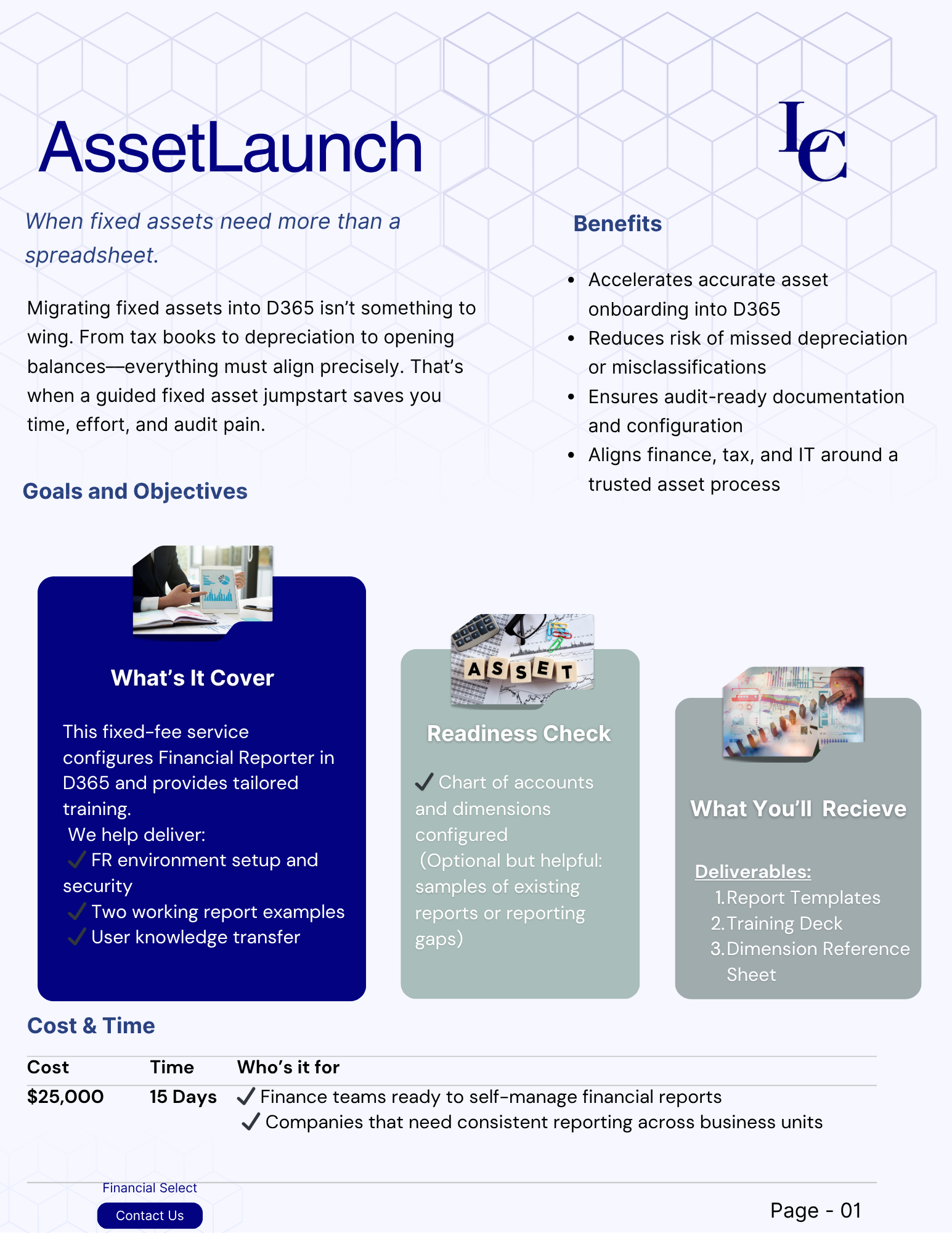
Reviews and corrects ledger-to-subledger alignment in D365 by fixing posting configurations, inventory profiles, reconciliation logic, GL mapping, and critical reporting procedures.
Enhancing Quality Compliance with Microsoft Dynamics 365 Supply Chain Management
Posted on: May 12, 2025 | By: Maya VanderWoude | Microsoft Dynamics AX/365, Microsoft Dynamics Manufacturing
As regulatory demands tighten and supply chains grow more complex, manufacturers and distributors must sharpen their focus on quality management. In today’s environment, delivering compliant, high-quality products is not just a competitive advantage—it’s a business necessity. Microsoft Dynamics 365 Supply Chain Management (D365 SCM) offers built-in quality compliance capabilities that integrate directly with procurement, production, and fulfillment processes. The latest release, version 10.0.44, introduces a new wave of advanced features designed to extend quality oversight, streamline compliance activities, and drive operational efficiency.
Organizations can now further embed quality control into everyday operations—reducing reliance on external systems and strengthening end-to-end supply chain integrity.

Key Quality Compliance Enhancements in Dynamics 365 Supply Chain Management
Enhanced User Experience
New forms and fields make it easier and faster to record detailed test results on quality orders. The introduction of a dedicated Quality Management Workspace improves visibility, allowing users to monitor quality orders, analyze trends, and identify risks earlier in the process.
Corrective and Preventive Actions (CAPA) Management
Structured management of CAPA cases is now supported, ensuring that non-conformities are addressed consistently and formally. By planning, tracking, and analyzing corrective actions, companies can continuously improve their quality systems and reduce recurring issues across manufacturing and engineering operations.
Flexible Sampling Plans and Triggers
Flexible sampling plans dynamically adjust inspection percentages based on test outcomes. For example, an initial 50% inspection rate can be reduced to 10% as supplier reliability is confirmed. Skip lot sampling further reduces inspection frequency without sacrificing quality standards. New event triggers for quality orders now include transfer orders and customer returns, expanding the points of control across inbound and outbound logistics.
A video walkthrough of flexible sampling plans highlights how organizations can set up dynamic, multi-level inspection strategies that automatically respond to quality outcomes over time.
Test Instrument Calibration
Time-based and usage-based calibration plans ensure that test instruments are maintained according to predefined schedules or usage metrics. This functionality supports compliance with ISO standards and helps preserve data accuracy across quality control activities.
Electronic Batch Records (EBR)
Traditional paper batch records are replaced with electronic batch documentation, improving data integrity and auditability. EBR captures batch attributes, quality test results, electronic signatures, and production journal information—all critical for industries with stringent regulatory oversight.
Production Dispensing Controls
New dispensing capabilities support safer handling of sensitive materials by enforcing dispensing thresholds, access restrictions, and return tracking, along with requiring electronic signature approvals.
Approved Customer Lists and Customer-Specific COAs
Organizations can now define Approved Customer Lists to control which customers are authorized to purchase specific products, mirroring the established approach for vendors. In addition, Customer-Specific Certificates of Analysis (COAs) can be automatically customized and printed during sales order fulfillment, improving customer satisfaction while ensuring compliance.
Expanded Electronic Signatures
Electronic signature support has been broadened to include CAPA management, calibration validations, production dispensing, and quality order verifications. These enhancements strengthen compliance with FDA, ISO, and other regulatory frameworks requiring secure and auditable signature trails.
Building a Stronger Foundation for Quality Compliance
Embedding these new capabilities into daily operations enables organizations to achieve higher levels of compliance, minimize quality risks, and streamline audit preparation. By managing quality processes directly within Dynamics 365 Supply Chain Management, businesses can reduce manual effort, increase traceability, and ensure a consistent approach across departments and locations.
Successful adoption of these features starts with a thorough understanding of both operational requirements and system configuration. From setting up flexible sampling plans and calibration schedules to integrating CAPA workflows and electronic batch records, careful planning is key to maximizing the value of these enhancements.
Logan Consulting helps organizations align quality management strategies with their supply chain processes—ensuring that technology investments not only meet compliance requirements but also drive operational excellence. To learn more about quality control, specifically in goods in transit, view our previous blog here.
Conclusion
As regulatory scrutiny intensifies and customer expectations rise, manufacturers and distributors must build proactive, resilient quality systems. The latest quality management enhancements in Microsoft Dynamics 365 Supply Chain Management offer the tools needed to meet these demands—driving continuous improvement, safeguarding compliance, and strengthening supply chain performance. By leveraging these capabilities, businesses can establish a foundation for sustainable growth and customer trust in an increasingly competitive landscape.
Next Steps
If you want to learn more about Quality Compliance in Microsoft Dynamics 365 Supply Chain Management, contact us here to learn how we can help you grow your business. You can also email us at info@loganconsulting.com or call (312) 345-8817.
Related Posts
-
Expense Management: Where Money Either Gets Controlled or Quietly Slips Away
Posted on: March 19, 2026
Most organizations don’t realize they have an expense problem until someone asks a simple question: “Why did we spend that?”...
-
Improving Retail Inventory Traceability and Accuracy
Posted on: March 16, 2026
Retailers do not have a visibility shortage. They have a traceability standard shortage. With Dynamics 365 Commerce and Microsoft’s Inventory...