



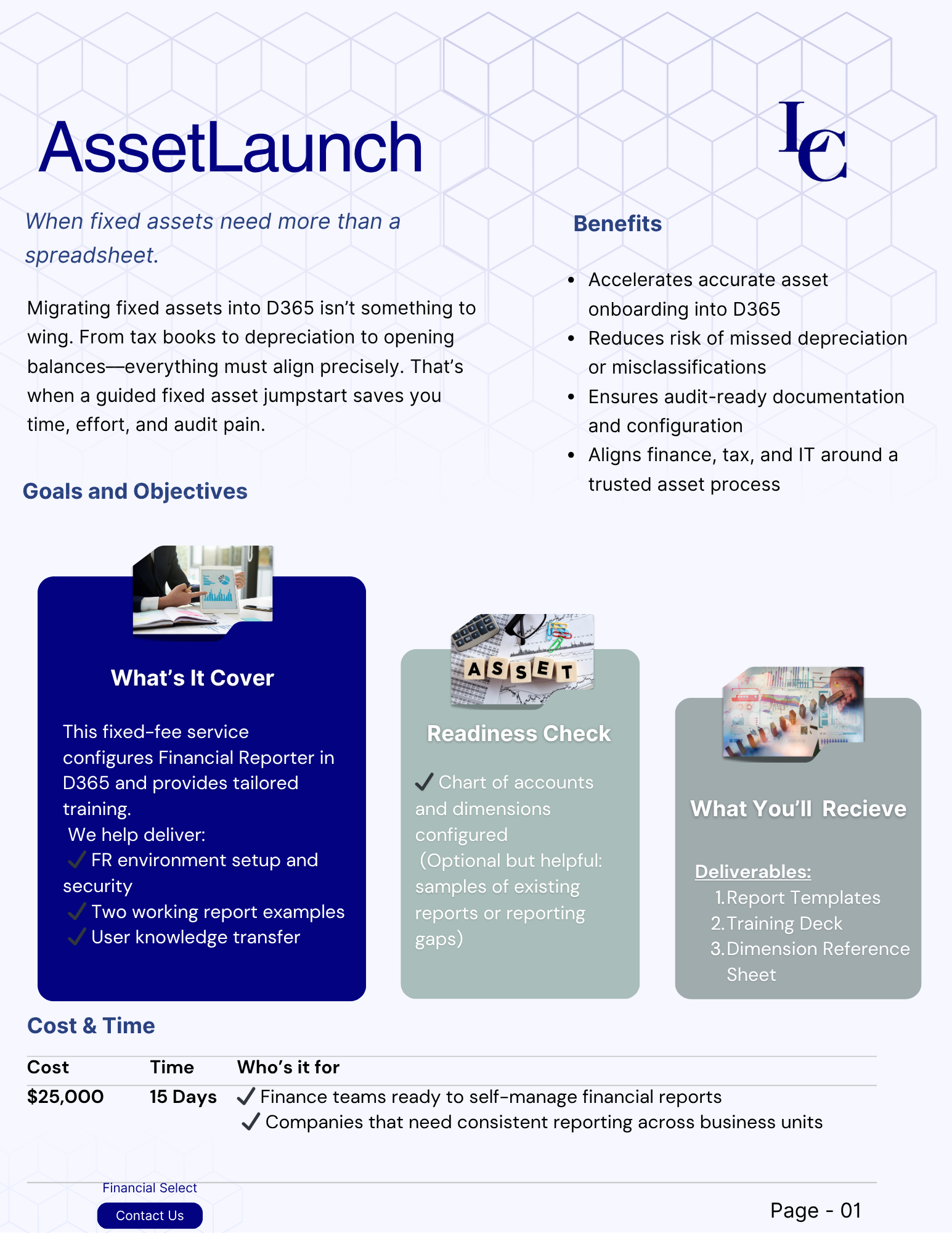
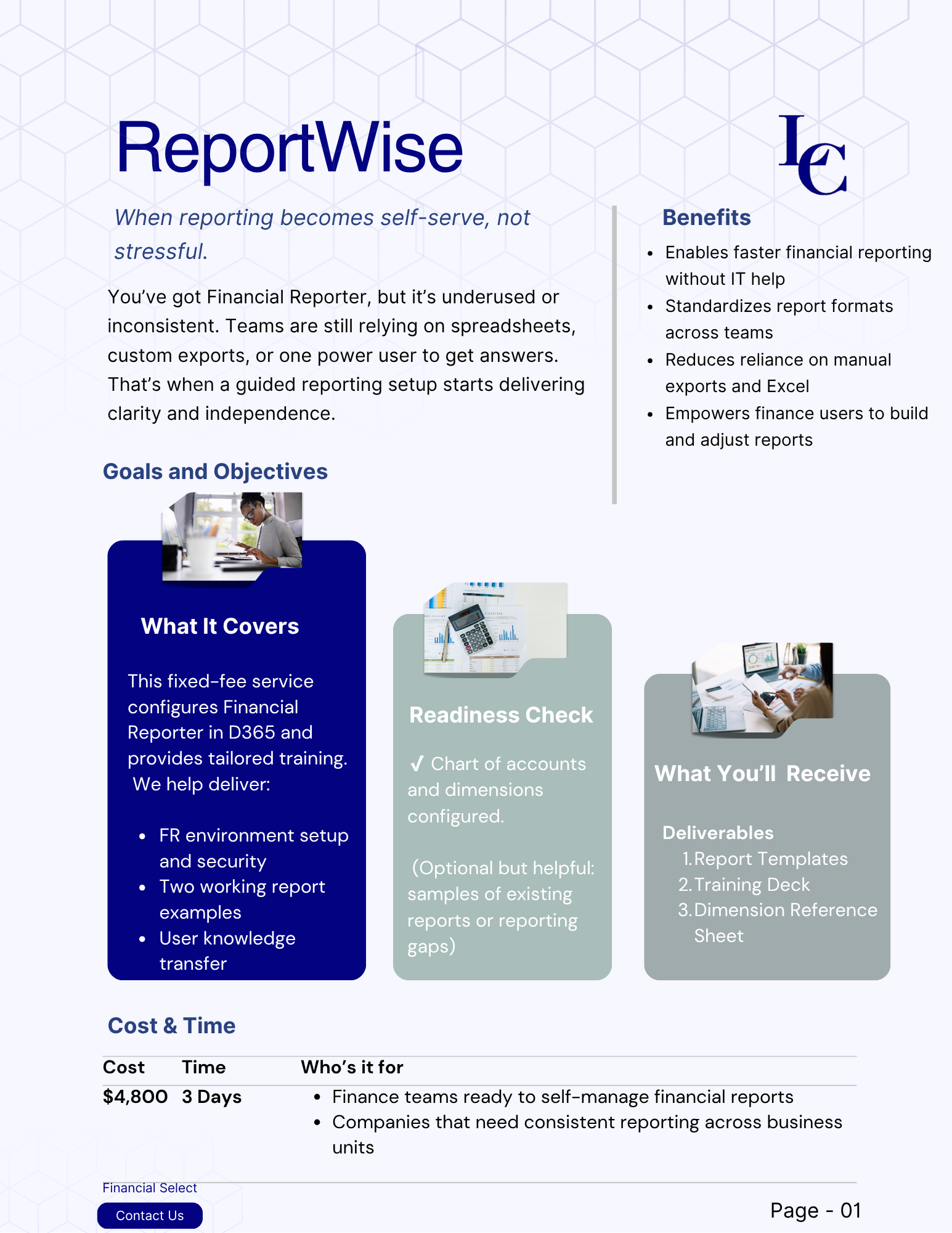
Reviews and corrects ledger-to-subledger alignment in D365 by fixing posting configurations, inventory profiles, reconciliation logic, GL mapping, and critical reporting procedures.
EDI Security in 2026: Building End-to-End Resilience with Microsoft Dynamics 365 F&SCM
Posted on: January 26, 2026 | By: Ashley Xue | Microsoft Dynamics AX/365
As supply chains grow more digital and interconnected, EDI security in 2026 has moved far beyond basic transport encryption. For organizations running Microsoft Dynamics 365 Finance & Operations (F&O) Supply Chain Management, EDI is a core system of record—not a peripheral integration. That makes EDI security a critical component of operational resilience, compliance, and customer trust.
In a D365 F&O environment, one failed or compromised EDI transaction can ripple directly into planning, procurement, production, and fulfillment.
From Secure Transport to Secure Transactions
AS2, encryption, and certificates remain essential, but they only protect data in motion. In 2026, D365 F&O customers are focused on end-to-end EDI security, ensuring transactions are validated, monitored, and auditable from the trading partner through to F&O business processes.
Security must be embedded across inbound and outbound flows—purchase orders, ASNs, invoices, schedules, and inventory messages—without disrupting SCM execution.
Key EDI Security Focus Areas for D365 F&O SCM
- Zero-Trust Integration Architecture Modern D365 F&O EDI integrations follow zero-trust principles. Every connection, user, and message is authenticated and authorized—regardless of whether it originates from a long-standing OEM, supplier, or logistics provider. Identity, message validation, and access control are enforced before transactions reach F&O.
- Real-Time Transaction Monitoring With F&O driving planning and execution, delayed or missing EDI messages can halt operations. Leading organizations implement real-time monitoring and alerting to detect failures, duplicate messages, or mapping exceptions before they impact MRP, warehouse operations, or invoicing.
- Automated Certificate & Connection Management Expired certificates and unmanaged endpoints remain a top cause of EDI outages. In 2026, D365 F&O teams rely on automation to manage certificate lifecycles, renewals, and partner connections—reducing manual effort and preventing avoidable downtime.
- Trading Partner Risk & Onboarding Controls EDI security is only as strong as the weakest trading partner. Companies integrating with D365 F&O increasingly apply standardized onboarding, partner validation, and compliance checks to ensure data quality and security before transactions ever touch core SCM processes.
- Cyber Resilience & Recovery for Core Operations Security strategies now include resilience planning: transaction replay, backlog processing, and fallback procedures that allow D365 F&O operations to continue even during cyber incidents or partner disruptions.
Compliance, Traceability, and Governance
D365 F&O customers face growing audit and customer compliance demands. Secure EDI platforms provide full transaction traceability, role-based access, and audit-ready logging—without customizations that complicate upgrades or support.
The Bottom Line
For organizations running Microsoft Dynamics 365 F&O SCM, EDI security in 2026 is not optional—and it’s no longer just an IT concern. It’s a core supply chain capability. By embedding security, monitoring, and resilience directly into EDI integrations with F&O, companies protect not just data, but the continuity of their entire supply chain.
Because in a D365-driven operation, one weak EDI link can stop everything.
Next Steps
For assistance in helping your business determine the best EDI security for your D365 ecosystem contact us here to learn how we can help to assess your situation and guide you through the process. You can also email us at EDIInfo@loganconsulting.com or call (312) 345-8817.