




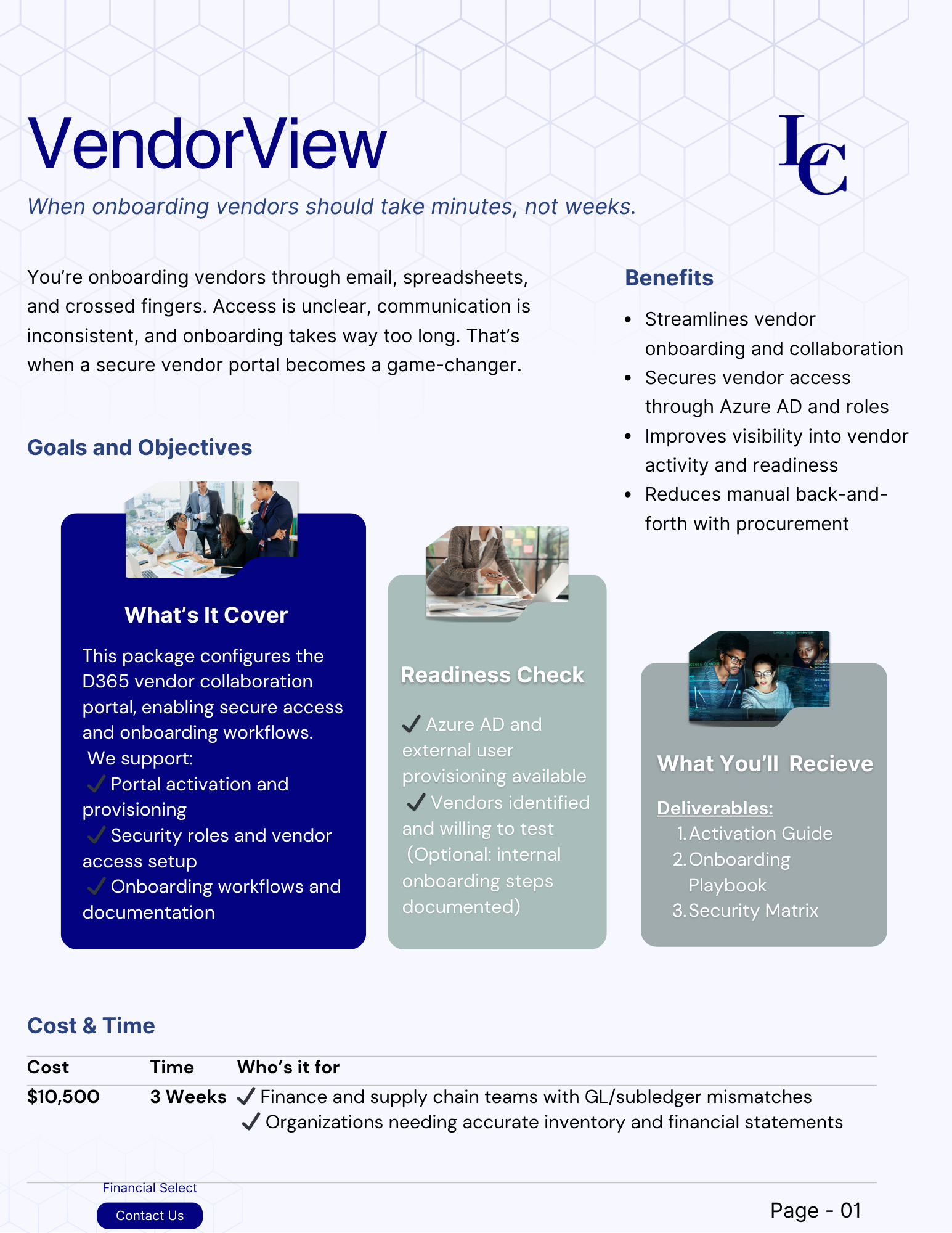



Reviews and corrects ledger-to-subledger alignment in D365 by fixing posting configurations, inventory profiles, reconciliation logic, GL mapping, and critical reporting procedures.
EDI & AI – The Future of EDI
Posted on: April 15, 2025 | By: Alexa Leitner | QAD Business Process, EDI

Electronic Data Interchange (EDI) has long been the backbone of B2B transactions, streamlining the exchange of documents such as invoices, purchase orders, and shipping notices. However, with the rise of artificial intelligence (AI), the traditional EDI landscape is evolving rapidly. AI-driven automation is poised to enhance efficiency, accuracy, and decision-making in EDI systems. While this integration offers significant benefits, it also introduces new challenges. In this blog, we explore the future of EDI with AI, focusing on its advantages and potential drawbacks.
The Evolution of EDI with AI
Traditional EDI systems operate on structured formats that follow predefined standards, such as ANSI X12, EDIFACT, or XML. These systems, while effective, often require rigid configurations and manual interventions when discrepancies occur. AI is now being integrated into EDI to overcome these limitations, leveraging machine learning (ML), natural language processing (NLP), and automation technologies to enhance data processing and interpretation.
Pros of AI-Driven EDI
- Enhanced Data Accuracy and Validation
AI can improve data accuracy by identifying and correcting errors in real-time. Machine learning algorithms can detect anomalies and inconsistencies, reducing manual intervention and preventing costly mistakes in transactions.
- Automated Exception Handling
One of the biggest challenges in EDI is handling exceptions, such as missing data, incorrect formats, or compliance issues. AI can automatically resolve common discrepancies by learning from past patterns, minimizing human intervention and speeding up transaction processing.
- Improved Integration with Non-EDI Systems
Many businesses still rely on non-EDI formats, such as emails, PDFs, and spreadsheets, to exchange data. AI-powered tools can extract, convert, and integrate this data into structured EDI formats, bridging the gap between traditional and modern data exchange systems.
- Predictive Analytics and Decision Support
AI can analyze historical EDI transaction data to identify trends and predict potential disruptions. This predictive capability enables businesses to make data-driven decisions, optimize supply chain operations, and prevent issues before they arise.
- Cost and Time Efficiency
By reducing manual interventions, improving accuracy, and automating routine processes, AI-powered EDI can lower operational costs and enhance overall efficiency. Businesses can allocate resources to higher-value tasks, boosting productivity.
Cons of AI-Driven EDI
- Implementation Complexity and Costs
Integrating AI into existing EDI systems requires significant investment in technology, infrastructure, and expertise. Smaller businesses may find it challenging to afford the upfront costs of AI adoption.
- Data Privacy and Security Concerns
AI systems rely on vast amounts of data for training and optimization. This raises concerns about data privacy, compliance with regulations such as GDPR, and the risk of cyber threats targeting AI-enhanced EDI platforms.
- Dependence on Data Quality
AI models require high-quality data to function effectively. Inconsistent or incomplete datasets can lead to incorrect predictions and automation errors, potentially causing disruptions in business processes.
- Resistance to Change
Many organizations, particularly those with legacy EDI systems, may resist adopting AI due to concerns about complexity, job displacement, or potential disruptions to established workflows.
- Regulatory and Compliance Challenges
AI-driven EDI systems must comply with industry regulations and standards. Ensuring compliance while implementing AI-based automation can be challenging, particularly in highly regulated industries such as healthcare and finance.
Conclusion
The integration of AI with EDI represents a significant leap forward in business communication and automation. The potential benefits—ranging from improved data accuracy and efficiency to predictive analytics—can greatly enhance operational performance. However, businesses must navigate challenges such as implementation costs, data security, and compliance issues to maximize AI’s potential in EDI.
As AI technology continues to advance, organizations that embrace AI-powered EDI will gain a competitive edge in an increasingly digital and interconnected world. While the transition may pose initial hurdles, the long-term gains in efficiency, cost savings, and strategic decision-making make AI-enhanced EDI a promising development for the future of business operations.
Next Steps
Logan Consulting can help aid you in this decision-making process by setting up a full assessment of your current state and introduce you to several SaaS EDI solution providers. Contact us at EDIInfo@loganconsulting.com to inquire more on your integration options.