








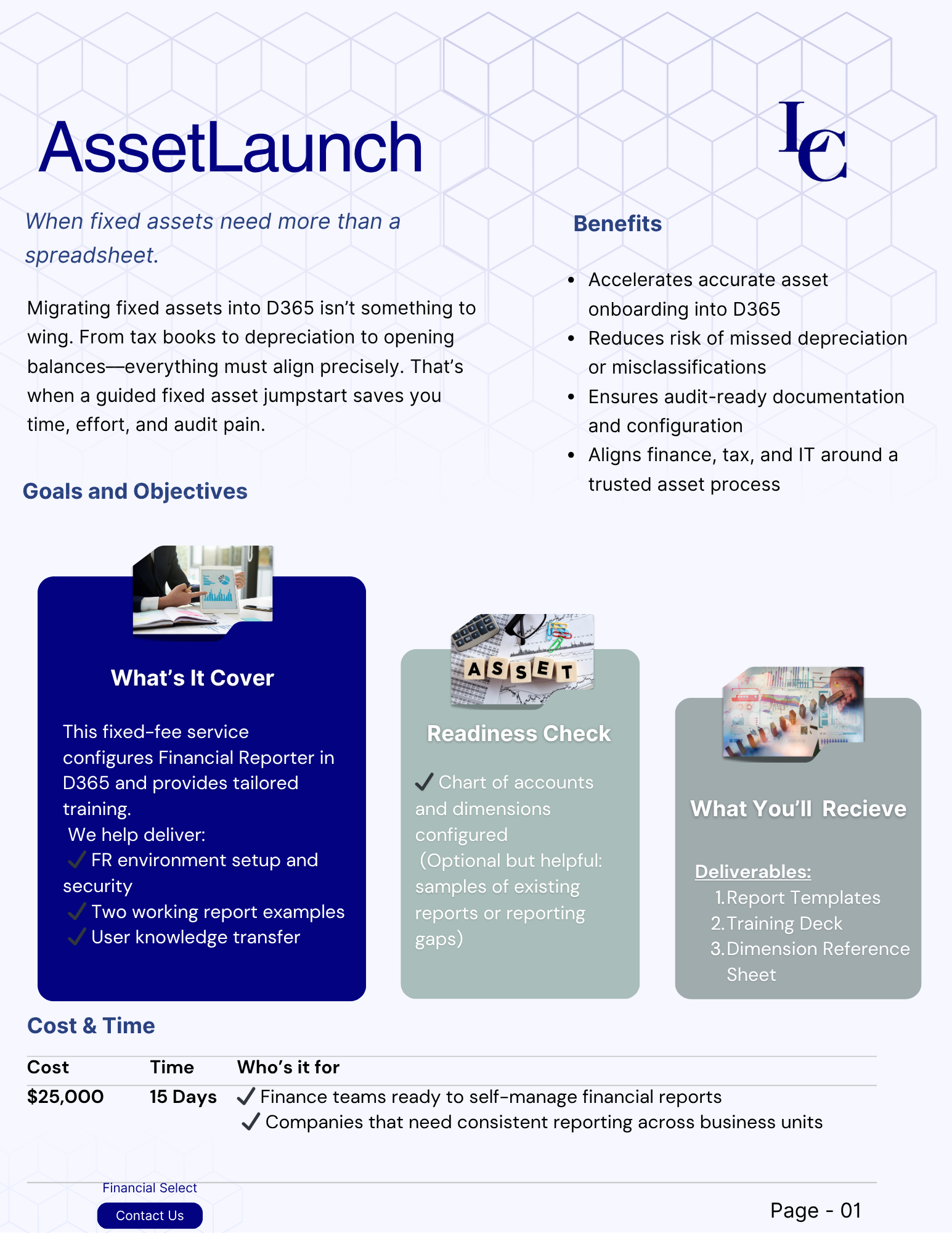
Reviews and corrects ledger-to-subledger alignment in D365 by fixing posting configurations, inventory profiles, reconciliation logic, GL mapping, and critical reporting procedures.
CRM vs. CMS: Understanding the Difference and Choosing the Right Tool
Posted on: February 10, 2026 | By: Anika Dewjee | Microsoft Dynamics CRM
As organizations invest in digital platforms to support growth, customer engagement, and operational efficiency, confusion often arises between CRM and CMS systems. While both play important roles in modern business technology stacks, they are designed for very different purposes. Understanding the distinction between a Customer Relationship Management (CRM) system and a Content Management System (CMS) is critical to selecting the right tools and maximizing their value. Below are several key ways CRM and CMS platforms differ and how each supports business success.

Managing Customers vs. Managing Content
A CRM system is focused on managing customer relationships and interactions. It centralizes customer data, tracks sales activities, monitors communication history, and supports marketing and service teams throughout the customer lifecycle. CRMs help organizations improve visibility into pipelines, strengthen customer relationships, and drive revenue growth through informed decision making.
A CMS, by contrast, is designed to manage digital content. It allows organizations to create, edit, organize, and publish content such as website pages, blogs, landing pages, and other online assets. The CMS ensures content remains consistent, up to date, and accessible without requiring deep technical expertise.
Internal Operations vs. External Experiences
CRM platforms primarily support internal teams by improving collaboration between sales, marketing, and customer service. They provide insights into customer behavior, preferences, and engagement, enabling more personalized and effective interactions.
CMS platforms are outward facing, focused on delivering content to customers, prospects, and the public. They play a critical role in shaping brand perception, supporting digital marketing efforts, and providing users with relevant, engaging online experiences.
Data-Driven Relationships vs. Content Performance
CRMs measure success through metrics such as lead conversion rates, deal velocity, customer retention, and satisfaction. These insights help organizations optimize sales processes and improve long-term customer value.
CMS success is measured through content performance indicators like website traffic, engagement, bounce rates, and conversion paths. A CMS helps organizations understand how content resonates with audiences and supports digital growth strategies.
How CRM and CMS Work Together
Although CRM and CMS platforms serve different purposes, they are most effective when integrated. A CMS can capture leads through forms and content interactions, while the CRM tracks and nurtures those leads through the sales funnel. CRM data can also be used to personalize CMS-driven content, delivering more relevant experiences based on user behavior or customer profiles.
Next Steps
Understanding the difference between CRM and CMS is an important step toward building a technology stack that supports both customer engagement and long-term growth. As a trusted Microsoft Dynamics 365 CRM Partner, Logan Consulting helps organizations evaluate, implement, and integrate CRM and CMS solutions that align with their business goals. Contact Logan Consulting today to learn how the right combination of platforms can help you better manage customer relationships, deliver impactful digital content, and maximize the value of your technology investments.