

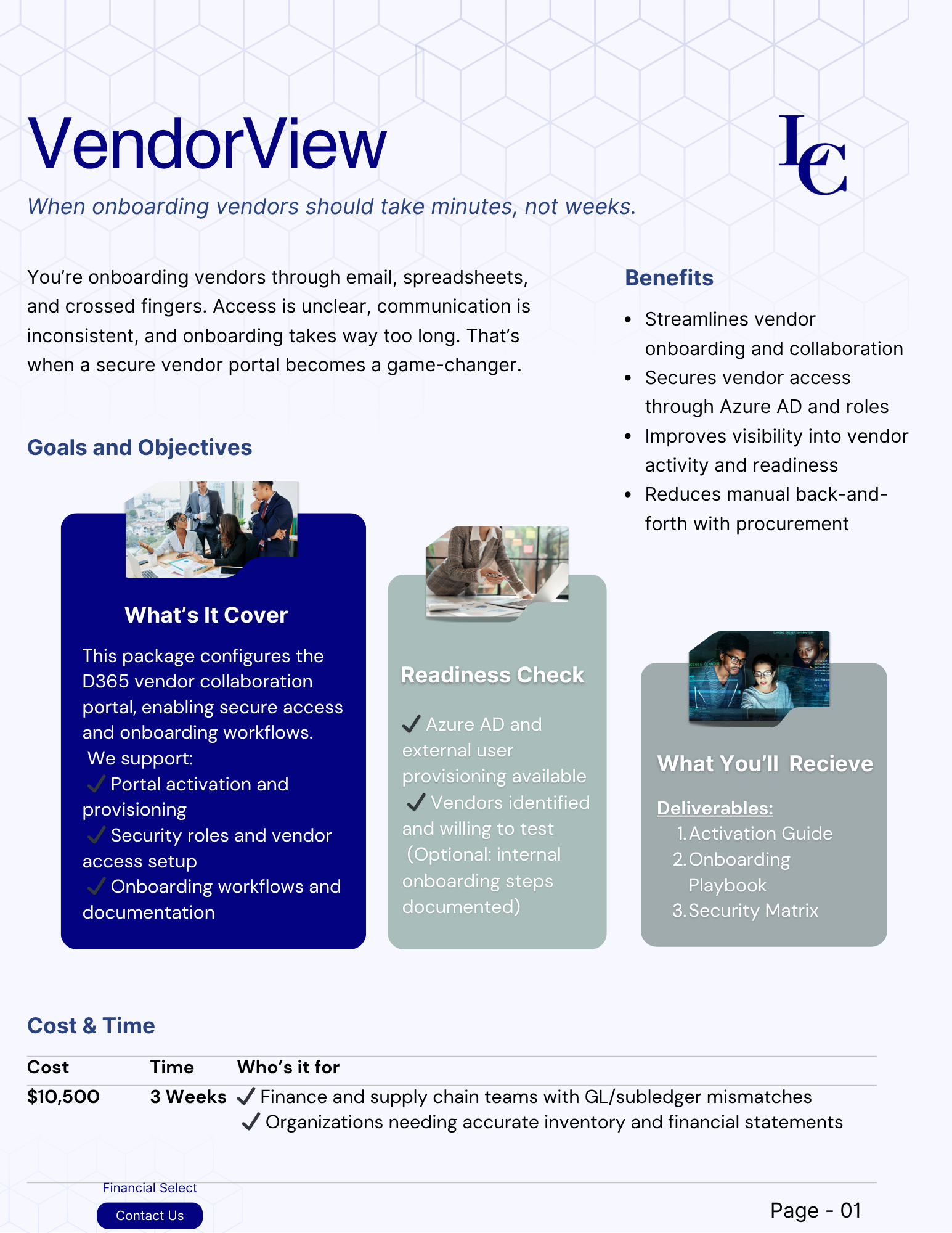


Reviews and corrects ledger-to-subledger alignment in D365 by fixing posting configurations, inventory profiles, reconciliation logic, GL mapping, and critical reporting procedures.
Accounts Receivable in D365 the Age of Digital Finance
Posted on: March 30, 2026 | By: Ashley Xue | Microsoft Dynamics AX/365
Most organizations think about Accounts Receivable when invoices are past due and cash is late. But Modern AR is not just about collecting payments, it’s one of the clearest operational signals a company has because it reveals customer health, pricing discipline, process maturity, and financial risk in real time.
In Dynamics 365 Finance and Operations, Accounts Receivable is an operational system that connects sales, credit, billing, and cash application into a governed financial process. The difference between reactive collections and predictable cash flow often comes down to how that system is designed.
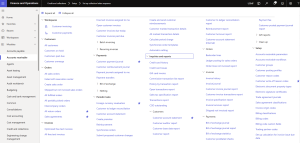
Accounts Receivable Challenges
- Sales agreements created without aligned payment terms
- Customer credit limits managed informally
- Billing delays caused by operational handoffs
- Disputes tracked outside the ERP
- Cash application dependent on manual reconciliation
By the time invoices age, the problem is already embedded in the process. Organizations often attempt to fix AR through more manual follow-ups or stricter collections policies, but this just results in more emails and more hassle for their AR team. At the end, collections cannot compensate for inconsistent control across order management, invoicing, and customer master data.
D365 Finance and Operations provides detailed visibility by connecting every transaction to structured customer accounts, invoices, and settlement records leaving no room for errors or confusion when it comes time to dig in the system for traceability. Dynamics 365 Finance treats Accounts Receivable as a lifecycle rather than a single transaction and it’s key capabilities include:
Credit Management
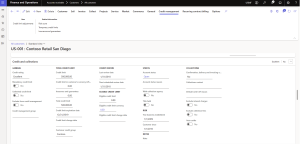
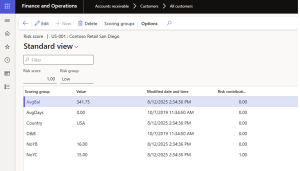
Credit limits, risk scoring, and blocking rules allow organizations to manage exposure before revenue becomes receivable. Automated credit checks during sales order entry help prevent downstream collection issues.
Flexible Billing and Invoice Control
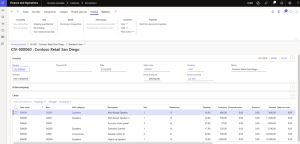
Invoices can originate from multiple operational processes such as sales orders, project accounting, subscriptions, or free-text invoices, while still maintaining consistent posting and financial traceability. This matters in industries where billing complexity drives AR delays, including manufacturing, professional services, and distribution.
Automated Cash Application
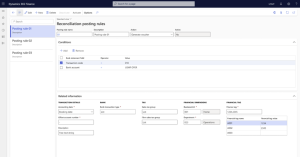
Payment matching rules and settlement automation reduce manual reconciliation work. Dynamics 365 enables structured matching based on invoice references, amounts, and customer patterns. The operational impact is significant because faster cash visibility results in fewer unapplied payments sitting in suspense accounts.
Collections
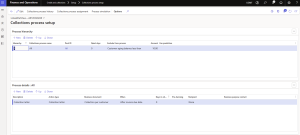
The collections workspace centralizes overdue balances, customer communication history, disputes, and risk indicators. The collection team can prioritize communication using the automated collection letter process in Dynamics 365 to decrease manual emails and follow-up hassle.

Why Automation Alone Is Not Enough
Many organizations pursue AR automation tools expecting immediate improvements in cash flow and while automation helps, control and governance should be prioritized more.
Consider these 3 decisions:
- Customer master data standards — consistent payment terms and credit policies
- Invoice accuracy at creation — fewer downstream disputes
- Clear ownership between sales and finance — accountability before invoices age
D365 Finance and Operations provides the control points, but outcomes depend on how consistently organizations apply them.
Accounts Receivable Is an Operating Model
Accounts Receivable is often framed as a collections problem when in reality, it is a cross-functional operating model spanning sales, operations, and finance.
Dynamics 365 Finance already contains the mechanisms organizations need:
- credit governance
- structured invoicing
- automated settlement
- collections workflows
- financial traceability
When designed intentionally, Accounts Receivable does more than improve cash flow. It provides visibility into customer behavior, strengthens financial control, and turns finance into an early-warning system for the business.
Next Steps
If you want more information on navigating the changes and impacts of Microsoft Dynamics 365 Supply Chain Management, contact us here. You can also email us at info@loganconsulting.com or call (312) 345-8817.