



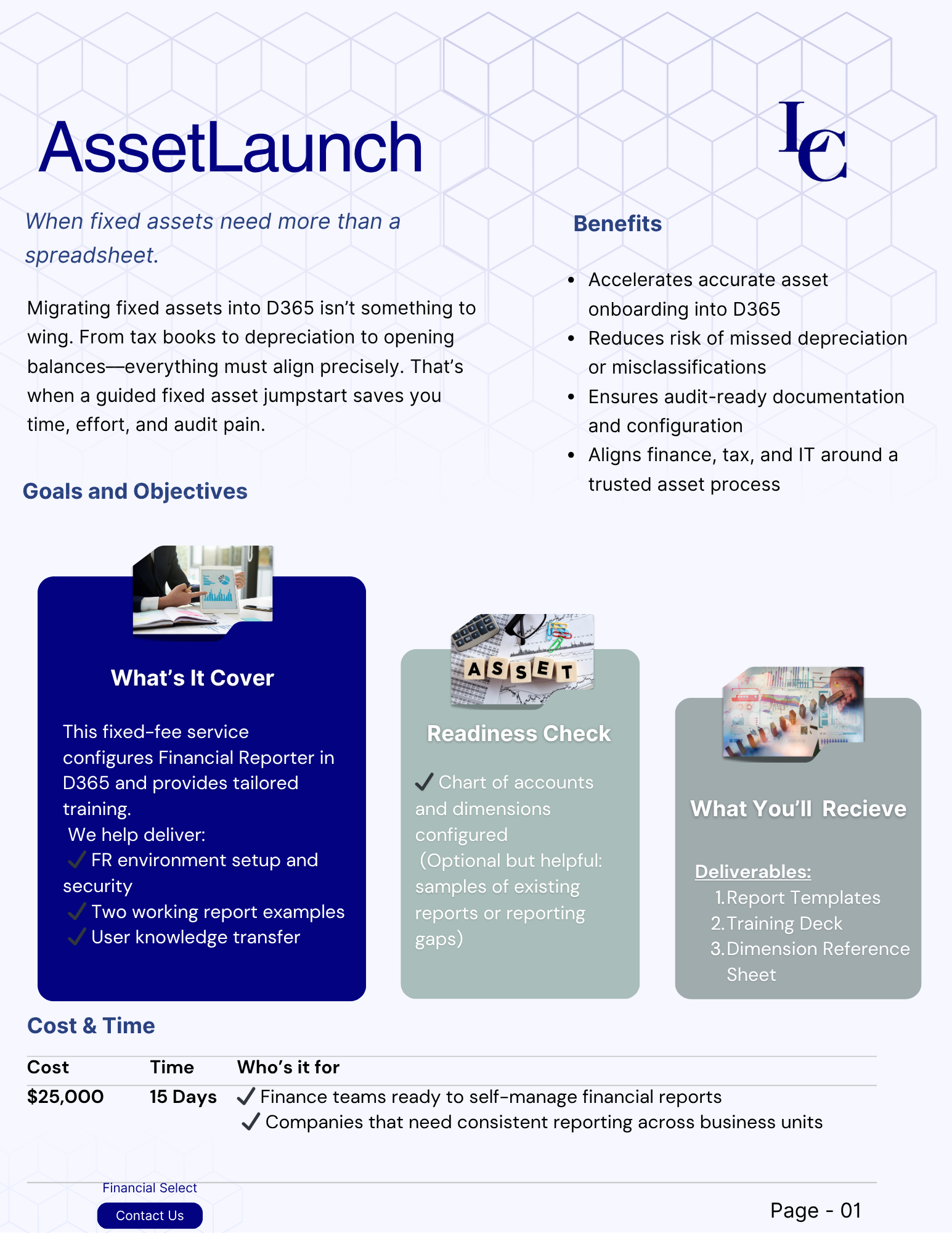
Reviews and corrects ledger-to-subledger alignment in D365 by fixing posting configurations, inventory profiles, reconciliation logic, GL mapping, and critical reporting procedures.
A Practical Guide to Navigating Year-End Close in QAD
Posted on: February 2, 2026 | By: Blake Moore | Uncategorized
Year-end is one of the most demanding times for accounting teams. Between month-end close, detailed reconciliations, audit schedules, and reporting deadlines, the workload increases while timelines shrink. In the middle of this pressure, it’s easy to lose track of which steps in QAD are required, which are optional, and most importantly why each step matters.
This guide breaks down the year-end close process in QAD, providing clarity on module closing, system controls, validation checks, and the Year-End function itself.
Start With the Essentials: Closing QAD Modules
The most critical task during year-end is closing the appropriate modules to prevent additional transactions from posting into the period. QAD includes four modules that can be opened or closed:
General Ledger (GL)
Inventory
Sales (controls Accounts Receivable and Sales Order processing)
Purchasing (controls Accounts Payable and Purchase Order processing)
Closing the GL module automatically closes all subordinate modules, but in practice, organizations often close Sales, Purchasing, and Inventory earlier to protect the period from unintended postings.
Inventory
The risk of incorrect backposting in Inventory is relatively low:
• Most users transact through scanners.
• Posting dates default to the current day.
• Backdating requires intentional user action.
Sales / Accounts Receivable
AR clerks are accustomed to adjusting posting dates during payment entry, so errors tend to be infrequent. Even so, closing the Sales module ensures nothing slips through unnoticed.
Purchasing / Accounts Payable
AP carries the highest risk of misposting:
• The Invoice Date automatically populates the Posting Date.
• If that period is locked, QAD defaults the posting to the first day of the first open period.
• Many AP clerks do not routinely verify posting dates.
Unintended AP postings can distort financials and require corrective journal entries, so locking Purchasing early is crucial.
General Ledger
After all recurring and adjusting entries are posted:
• Closing the GL ensures finalized financial statements remain intact.
• This prevents accidental modifications after audit review or submission.
Beyond Closing: Understanding QAD Locking and Reporting
Once modules are closed, QAD provides two additional control points.

Locking
Locking offers deeper granularity than module closure, allowing organizations to:
• Restrict posting at the Daybook level
• Control posting by transaction type
• Stagger restrictions throughout month-end or year-end
This is particularly valuable for CFOs and Controllers who need to manage close timing across departments or entities.
However:
• It adds administrative steps.
• For multi-entity organizations, it can become time-consuming.
Reporting
Locking and Reporting primarily serve as status indicators, particularly for large corporations with centralized shared services:
Locked = All transactions are posted; financial review is in progress.
Reported = Financials have been reviewed and are considered final.
For smaller organizations, these designations may offer limited practical value, but they remain part of QAD’s formal period close workflow.
Validate Financial Integrity With Consistency Checks
Before the Reporting step can be marked complete, QAD requires users to run Consistency Checks. These checks help ensure data accuracy by reviewing:
• Subledger balances versus GL control accounts
• Required fields and data completeness
• Consistency of related fields across modules
Key points to remember:
• Checks can be run multiple times and at any point prior to Reporting.
• A check failure does not automatically mean the financials are wrong.
• Each exception should be reviewed carefully to assess impact.
Consistency Checks act as QAD’s built-in diagnostic tool, helping users catch discrepancies before financials are finalized.
And importantly:
Module closing, Locking, and Reporting can all be reversed as needed while issues are resolved.
The Final Step: Executing Year-End in QAD
Executing Year-End is traditionally viewed as the last and most important step in the GL close. This process rolls the Profit & Loss (P&L) balance into Retained Earnings, completing the fiscal cycle.
However, there is a critical detail many users overlook.
QAD does not require Year-End execution to perform the P&L roll-forward.
QAD includes system accounts that automatically simulate the effect of closing the books for reporting purposes. This means:
• Financial statements will accurately reflect retained earnings movement.
• Users gain flexibility after audits or tax reviews.
• Organizations can keep prior periods open for adjustments or historical data loads.
Why caution is essential
Executing Year-End is permanent:
• Once executed, the period becomes frozen.
• There is no option to undo the action.
This is particularly important for:
• Privately held companies that often adjust prior-year financials.
• Businesses undergoing acquisitions that need to load historical balances.
For these companies, delaying Year-End execution or avoiding it altogether can prevent unnecessary lockout of prior periods.
Closing Thoughts
Year-end in QAD involves more than simply pushing through the GL close. It’s a structured process designed to safeguard financial integrity, enforce proper workflow, and support accurate reporting. By understanding the purpose and impact of each step, module closing, Locking, Reporting, Consistency Checks, and Year-End execution, accounting teams can approach year-end confidently and efficiently.
If you’d like a customized checklist, workflow optimization, or training tailored to your organization’s QAD configuration, Logan Consulting is always happy to help. Click here to learn more.