

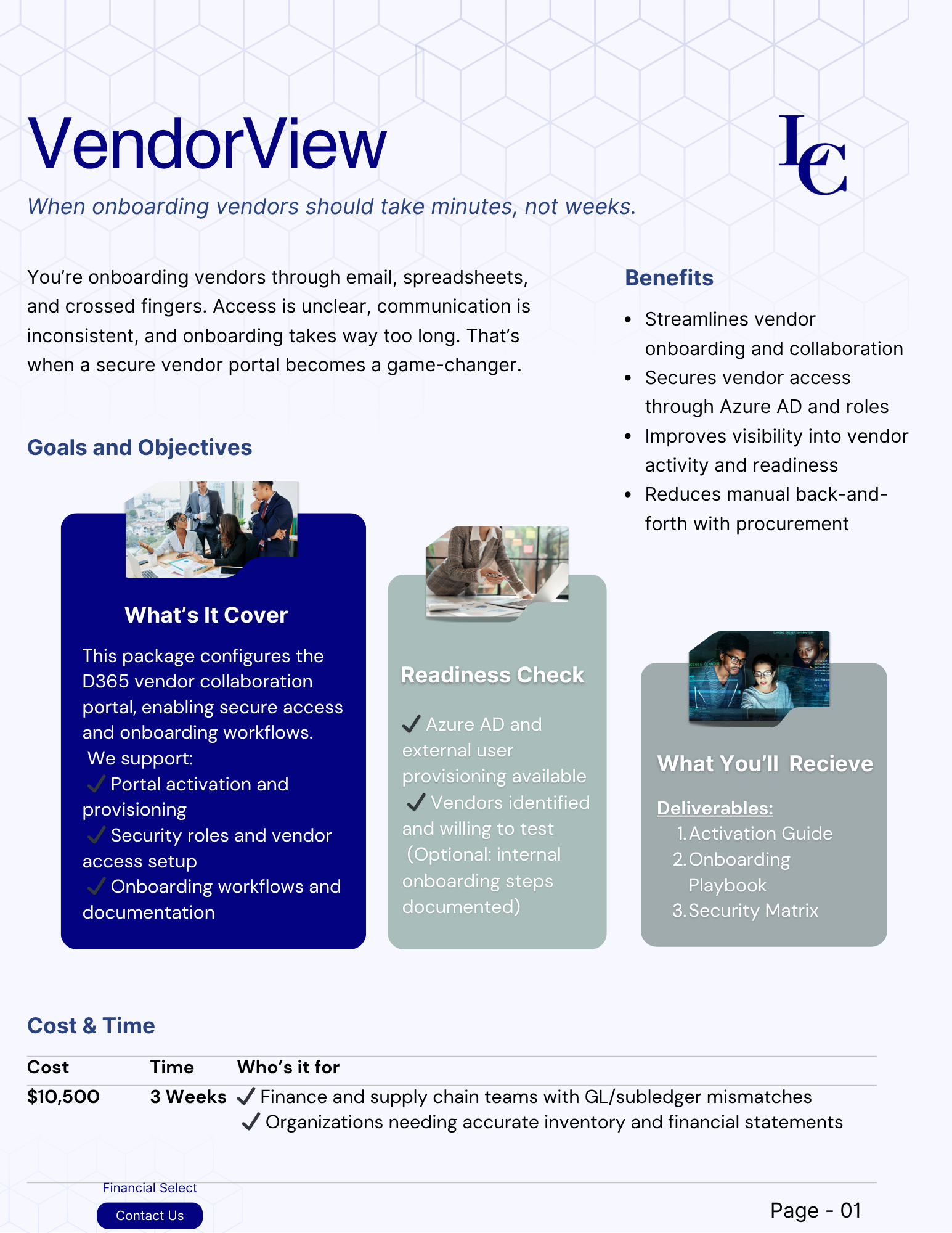


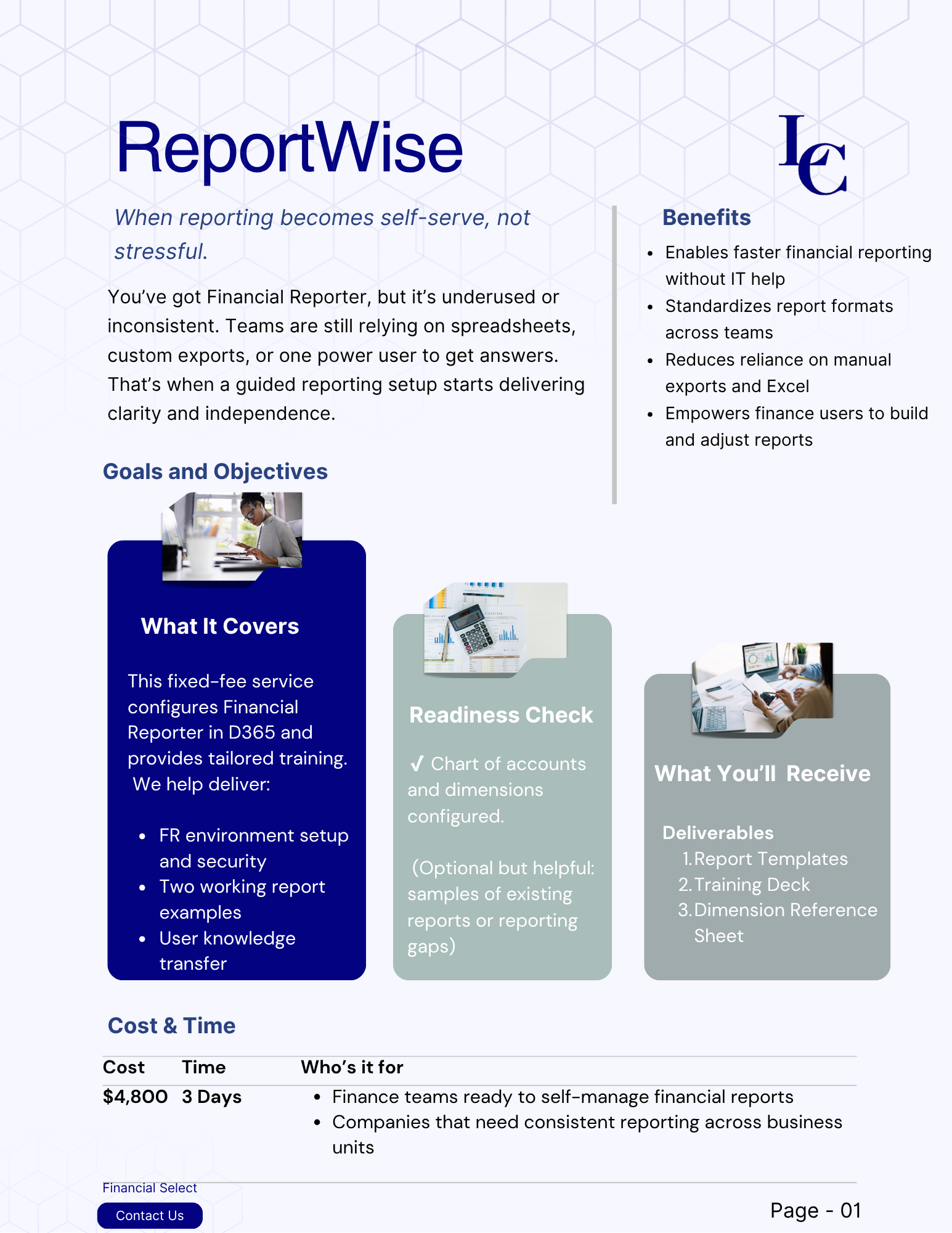
Reviews and corrects ledger-to-subledger alignment in D365 by fixing posting configurations, inventory profiles, reconciliation logic, GL mapping, and critical reporting procedures.
5 Best Ways for Businesses to Avoid Costly Change Orders in ERP Projects
Posted on: September 5, 2024 | By: Guy Logan | QAD Financials, QAD Manufacturing, QAD Business Process, QAD Distribution
For any business, unexpected change orders during ERP implementations can lead to budget overruns, delayed timelines, and operational disruptions. Avoiding these surprises starts well before the project even begins. Here are five proven strategies to avoid costly change orders and ensure smoother ERP project execution:
1. Thorough Review of the Statement of Work (SOW) During Sales and Pre-Sales
A well-structured ERP project begins with a comprehensive Statement of Work (SOW). Engage closely with your sales and pre-sales teams to ensure the SOW fully reflects your business needs, goals, and constraints. A precise SOW reduces ambiguity, sets clear expectations, and minimizes the risk of scope creep or change orders. Be wary of any ‘to-be determined’ language in the SOW. Scrutinize this document to ensure it aligns with the operational and financial realities of your organization.
2. Effective Scoping and Planning: Aligning Stakeholders Early
The planning phase is the foundation of the project’s success. This is the time to bring all key stakeholders to the table, from Operations, to finance and to IT, to define the project’s scope, deliverables, and success criteria. Develop a project charter that outlines responsibilities, timelines, and key milestones. Alignment across departments ensures clarity and mitigates misunderstandings that often lead to change orders later in the process.
3. Implementing Tollgates and Clear Milestones
Tollgates are checkpoints throughout the ERP project where the progress is reviewed, and decisions are made before moving to the next phase. For financial and IT directors, these moments provide an opportunity to assess whether the project is on track, within budget, and aligned with organizational goals. Defining clear, measurable milestones at each tollgate ensures early detection of issues that could escalate into costly changes later.
4. Building and Training the Project Team
A well-trained and engaged client project team is critical to ERP project success. This team—composed of key decision-makers from Operations, Finance, and IT—should understand the project’s tools, objectives, and processes. A knowledgeable project team ensures that decisions are made quickly and accurately, reducing delays and the potential for change orders. Investing in upfront training is essential to avoid misalignment during critical phases of the implementation.
5. Detailed Design Phase: Tailoring the ERP to Business Processes
The design phase is where the ERP system is configured to fit your organization’s specific needs. Involving Operations, Financial, and IT managers in this process ensures that the system design aligns with your operational workflows and business goals. By securing approval from key stakeholders before development starts, you prevent major redesigns and avoid expensive modifications later in the project.
At Logan Consulting, we believe that proactive planning and cross-departmental collaboration are key to avoiding change orders in ERP implementations. By focusing on a robust SOW, engaging stakeholders early, setting strategic milestones, and fostering client involvement, Operations, Financial, and IT managers can mitigate the risks of unforeseen costs. Taking these steps ensures a more predictable project outcome, aligning with both budgetary goals and operational efficiency.
Make sure all your questions are addressed before selecting an ERP implementation partner. Doing so can significantly reduce the likelihood of unexpected costs and delays.
Next Step
To ensure more about ERP implementation, contact our Logan Consulting experts here. If you have any questions or concerns, you can also email us at info@loganconsulting.com or call (312) 345-8817.