





Reviews and corrects ledger-to-subledger alignment in D365 by fixing posting configurations, inventory profiles, reconciliation logic, GL mapping, and critical reporting procedures.
Supplier EDI Onboarding: Key Considerations for Long-Term Success
Posted on: March 24, 2026 | By: Anika Dewjee | EDI
Supplier onboarding is one of the most critical, and often underestimated, phases of any electronic data interchange (EDI) initiative. While many organizations focus heavily on mapping and technical connectivity, successful onboarding goes far beyond simply getting transactions to flow. It requires alignment across business processes, systems, expectations, and long-term operational strategy.

At its core, supplier EDI onboarding is about building a stable and scalable digital trading relationship. The decisions made during onboarding can significantly impact data quality, order accuracy, fulfillment performance, and customer satisfaction for years to come.
One of the first considerations is data standards alignment. Suppliers may operate on different versions of X12 or EDIFACT standards, and even small differences can lead to processing errors or compliance issues. Establishing clear implementation guidelines and confirming version compatibility early helps prevent costly rework later in the project.
Equally important is selecting the right communication protocol. Whether using AS2, SFTP, APIs, or a value-added network (VAN), organizations must consider security requirements, certificate management, connectivity reliability, and supplier technical maturity. A protocol that works well for one supplier may not be ideal for another, so flexibility is often essential.
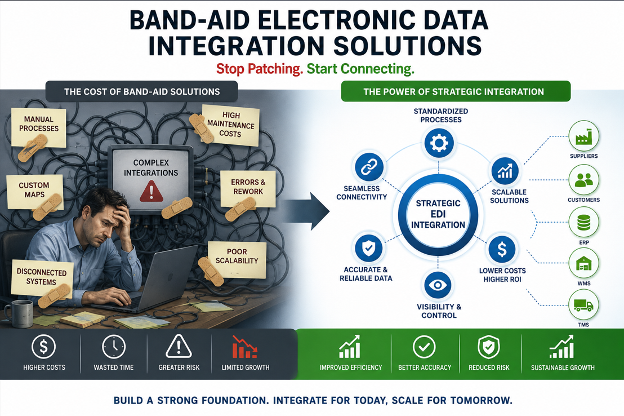
Another key factor is integration with internal systems. EDI transactions must flow seamlessly into enterprise resource planning (ERP), warehouse management (WMS), or transportation management (TMS) systems. This requires clear ownership of data elements, defined transformation logic, and strong coordination between IT and business stakeholders. Poorly defined integration points can result in manual workarounds that erode the value of automation.
Organizations should also carefully define the transaction scope during onboarding. While many implementations begin with foundational documents such as purchase orders (850), order acknowledgements (855), advance ship notices (856), and invoices (810), future scalability should be considered. Planning for additional transactions, such as inventory reports, remittance advice, or forecasting documents, can reduce onboarding effort in the long term.
A structured testing strategy is essential for minimizing risk. This should include unit testing, end-to-end validation, and parallel processing to confirm that data is interpreted correctly across all systems. Testing should not only verify technical accuracy but also validate business scenarios such as partial shipments, backorders, or pricing discrepancies.
Beyond go-live, organizations must establish clear service level agreements (SLAs) and support models. Defined escalation paths, monitoring processes, and proactive alerting help ensure issues are addressed quickly before they impact operations. Documentation and change management procedures are equally important, particularly as suppliers update systems or business requirements evolve.
Ultimately, supplier EDI onboarding should be viewed not as a one-time project milestone, but as the foundation of an ongoing partnership. When executed thoughtfully, it enables improved visibility, stronger collaboration, and more resilient supply chain performance.
Investing time upfront in structured onboarding practices helps organizations reduce risk, improve efficiency, and create a scalable EDI environment capable of supporting growth and innovation well into the future.
Next Steps
From defining data standards and communication protocols to managing testing, integration, and post-go-live support, our team works with you to build a reliable and future-ready EDI environment. If you’re planning an EDI initiative or looking to improve your current onboarding process, contact Logan Consulting today to ensure long-term success and efficiency across your supply chain.