




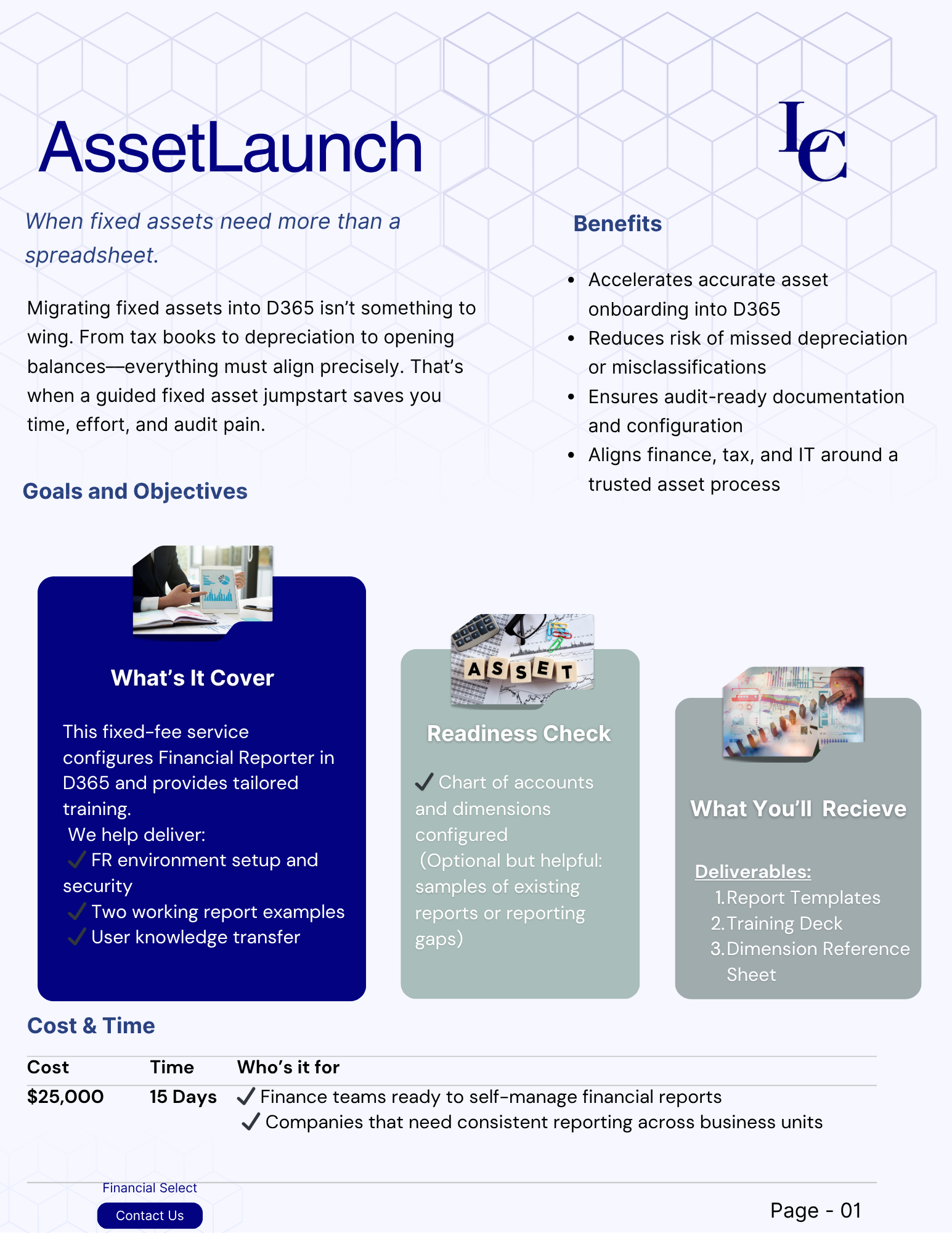
Reviews and corrects ledger-to-subledger alignment in D365 by fixing posting configurations, inventory profiles, reconciliation logic, GL mapping, and critical reporting procedures.
Upgrade or Maintain? Evaluating the Real Risk of Aging ERP Systems
Posted on: March 4, 2026 | By: Blake Moore | QAD Manufacturing, QAD Business Process, QAD Financials|QAD Business Process
As ERP systems age, organizations inevitably face a critical decision: upgrade to a modern platform or continue paying maintenance on an outdated, unsupported system. While extending maintenance may feel like the lower-risk option, the long-term financial and operational implications often tell a different story.
Start with Risk Assessment
If your ERP is no longer supported by the publisher, you are assuming full responsibility for security patches, compliance updates, and regulatory changes. Unsupported systems increase exposure to cybersecurity threats, audit findings, and operational disruptions. The question isn’t just “Is it working today?”, it’s “What is the risk if it fails tomorrow?”
Evaluate Total Cost of Ownership (TCO)
Many organizations underestimate the real cost of maintaining legacy systems. Beyond annual maintenance fees, consider:
- Custom code that requires specialized consultants
- Aging infrastructure or on-prem hardware refreshes
- Manual workarounds due to system limitations
- Integration challenges with modern tools
Often, these “hidden costs” exceed the investment required to modernize.

Measure Business Agility
An outdated ERP may limit scalability, reporting capabilities, automation, and visibility. If your finance team relies heavily on spreadsheets, operations struggles with real-time data, or integrations require constant maintenance, your system may be holding back growth. Modern cloud ERPs provide embedded analytics, automation, and flexible integration frameworks that support evolving business models.
Align with Strategic Goals
Ask whether your ERP supports where your organization is going, not just where it has been. Expanding into new regions? Launching DTC channels? Adding new product lines? Technology should enable strategy, not constrain it.
Consider a Structured Assessment
Before committing to either path, conduct a formal ERP health check. A structured evaluation can quantify risk, identify pain points, and model ROI between staying put versus upgrading.
Ultimately, continuing to pay maintenance on unsupported software often delays, rather than eliminates, necessary change. The right decision balances risk, cost, and strategic alignment to position your organization for long-term success.
Next Steps
For more QAD implementation Tips and Tricks contact our experts here.