

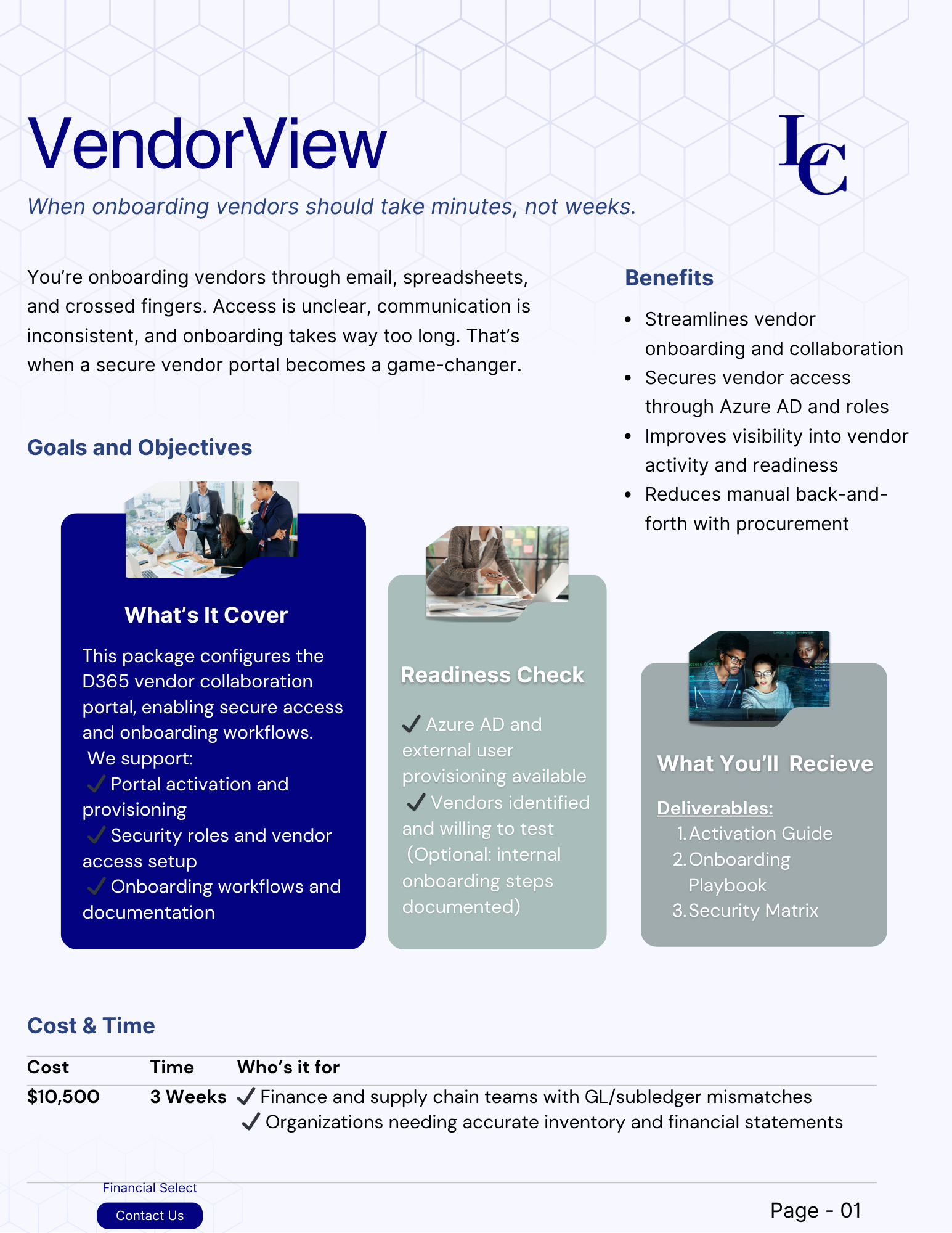


Reviews and corrects ledger-to-subledger alignment in D365 by fixing posting configurations, inventory profiles, reconciliation logic, GL mapping, and critical reporting procedures.
How EDI Can Improve EBITDA and Business Performance
Posted on: November 20, 2025 | By: Alexa Leitner | EDI, QAD Business Process
In today’s competitive market, organizations are constantly searching for ways to strengthen profitability while maintaining efficiency. One often-overlooked driver of financial performance is the impact of Electronic Data Interchange (EDI) on EBITDA. While EBITDA is a standard measure of a company’s operational performance, EDI is a tool that directly influences cost control, revenue recognition, and scalability—all of which flow into EBITDA.
Understanding EBITDA and EDI
 EBITDA is a financial metric that reflects a company’s earnings before interest, taxes, depreciation, and amortization. It gives investors and leaders a clearer picture of operational profitability, excluding non-operating costs. Businesses with strong EBITDA margins are generally considered more efficient and attractive to stakeholders.
EDI, on the other hand, is the structured exchange of business documents—like purchase orders, invoices, and shipping notices—between trading partners using standardized digital formats. By eliminating manual data entry, reducing errors, and streamlining communication, EDI drives measurable operational efficiencies.
When connected, EDI plays a crucial role in strengthening EBITDA by improving both top-line growth and bottom-line savings.
Cost Reduction and Margin Expansion
One of the most direct ways EDI impacts EBITDA is through cost reduction. Manual processes—such as entering purchase orders, reconciling invoices, or correcting data errors—consume valuable labor hours and increase the risk of mistakes. These inefficiencies translate into higher operating expenses, which reduce EBITDA.
By automating these transactions, EDI cuts down on administrative costs and error correction. For example, an automated invoice exchange reduces disputes and accelerates accounts receivable cycles. Over time, these operational savings improve margins, strengthening EBITDA without requiring additional revenue growth.
Revenue Acceleration
EDI also enhances revenue generation by enabling faster and more reliable order fulfillment. For manufacturers, retailers, and distributors, delayed shipments or incorrect orders can result in lost sales, chargebacks, and strained customer relationships. EDI ensures that orders are transmitted, confirmed, and fulfilled in real time, improving delivery accuracy and speed.
Faster, more accurate order processing not only boosts customer satisfaction but also drives repeat business and higher sales volumes. These improvements contribute to revenue growth, which directly enhances EBITDA.
Compliance and Risk Management
Another critical factor is compliance. Many large retailers and suppliers mandate EDI integration as a requirement for doing business. Failing to comply can result in penalties, fees, or lost opportunities, all of which negatively impact EBITDA. By investing in a robust EDI solution, businesses ensure compliance with trading partner requirements and industry standards, protecting revenue streams.
Moreover, reduced error rates and better data integrity lower the risk of chargebacks, financial disputes, and supply chain disruptions, further stabilizing EBITDA performance.
Scalability Without Proportional Costs
Finally, EDI enables scalability. As business grows and transaction volumes increase, manual processes become unsustainable. Scaling with paper-based or manual systems often means hiring more staff, which increases operating expenses. With EDI, transaction volumes can grow significantly without a proportional increase in costs. This operational leverage supports stronger EBITDA margins as businesses expand.
Conclusion
While EBITDA is often viewed through a purely financial lens, the operational strategies that support it are equally important. EDI is more than just a technology—it’s a profitability enabler. By reducing costs, accelerating revenue, ensuring compliance, and enabling scalable growth, EDI has a direct and measurable impact on EBITDA.
For organizations aiming to improve financial performance, investing in EDI is not just an IT decision, it’s a strategic move to drive profitability and long-term value.
Next Steps
For assistance in helping your business determine how EDI can impact your EBITDA contact us today for a discussion. You can email us at EDIInfo@loganconsulting.com or call (312) 345-8817.