In the business landscape, organizations are under increasing pressure to deliver accurate financial insights faster than ever. Manual processes, spreadsheet-based reporting, and disconnected systems slow down operations and increase the risk of error. That’s where Microsoft Dynamics 365 Finance comes in, bringing automation to every stage of financial management to help teams work smarter, not harder.
But the benefits of financial automation in D365 go far beyond time savings. The real return on investment (ROI) comes from the improved accuracy, agility, and visibility it brings to financial decision-making.

1. Reducing Manual Workload and Operational Costs
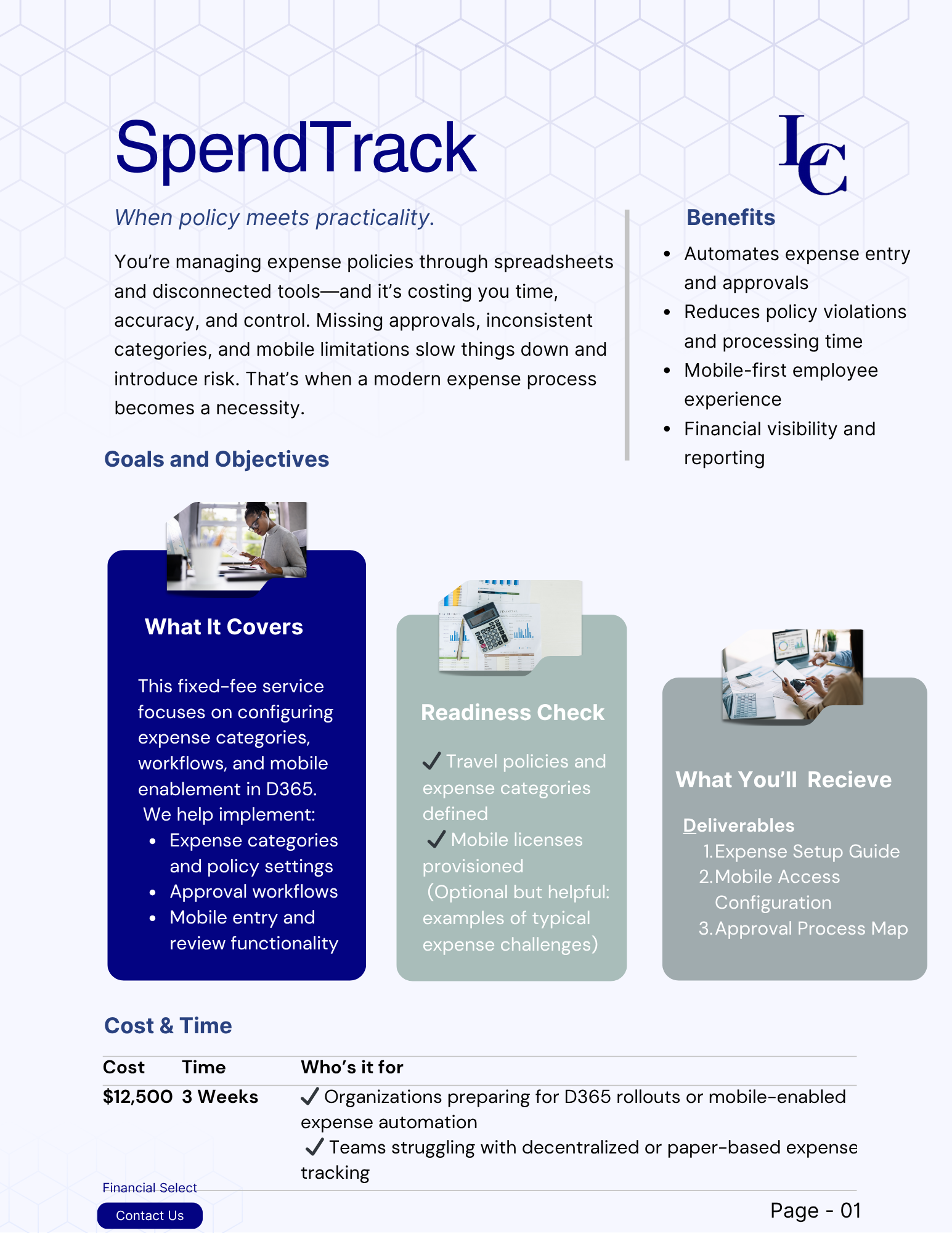
Automating key financial processes, such as journal entries, invoice approvals, and bank reconciliations, dramatically reduces the time finance teams spend on repetitive tasks.
By leveraging D365 Finance’s workflow automation, organizations can streamline approvals, eliminate manual data entry, and minimize human error. The result? Lower labor costs, faster month-end closes, and more capacity for teams to focus on strategy and analysis.
2. Improving Data Accuracy and Compliance
Financial errors don’t just cost time, they can create compliance risks. D365 Finance ensures data consistency across the organization through real-time synchronization and built-in validation tools.
Automation not only enforces accounting policies and audit trails but also helps organizations stay compliant with evolving regulatory standards, from local tax laws to global financial reporting requirements.

3. Enhancing Visibility for Strategic Decision-Making
With manual systems, decision-makers often rely on outdated or incomplete data. D365 Finance provides real-time financial insights and AI-driven analytics that turn raw data into actionable intelligence.
CFOs can monitor KPIs, forecast cash flow, and analyze profitability at a granular level, all within a single platform. This visibility empowers leaders to make proactive, data-driven decisions that drive long-term growth.
4. Accelerating Financial Close and Reporting
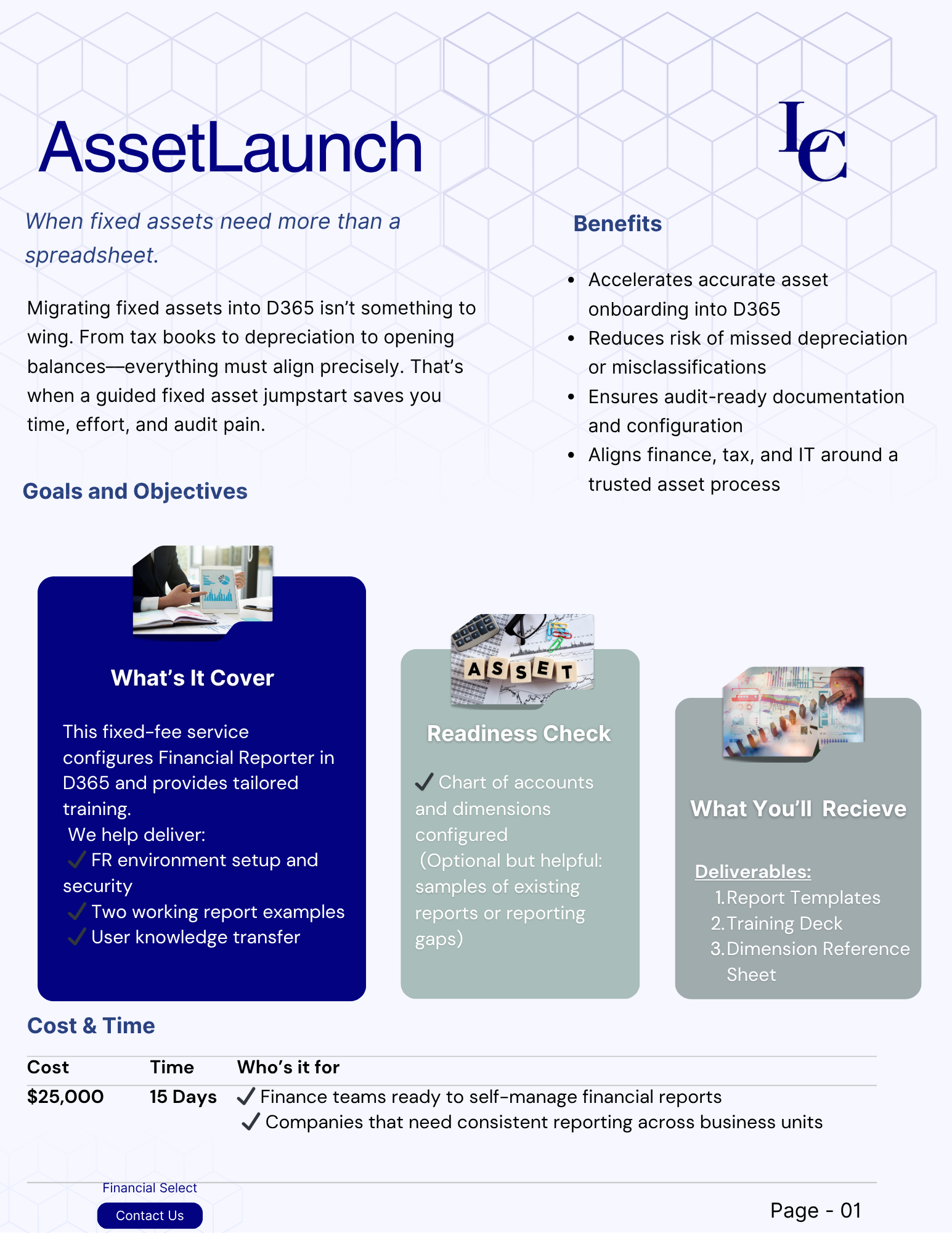
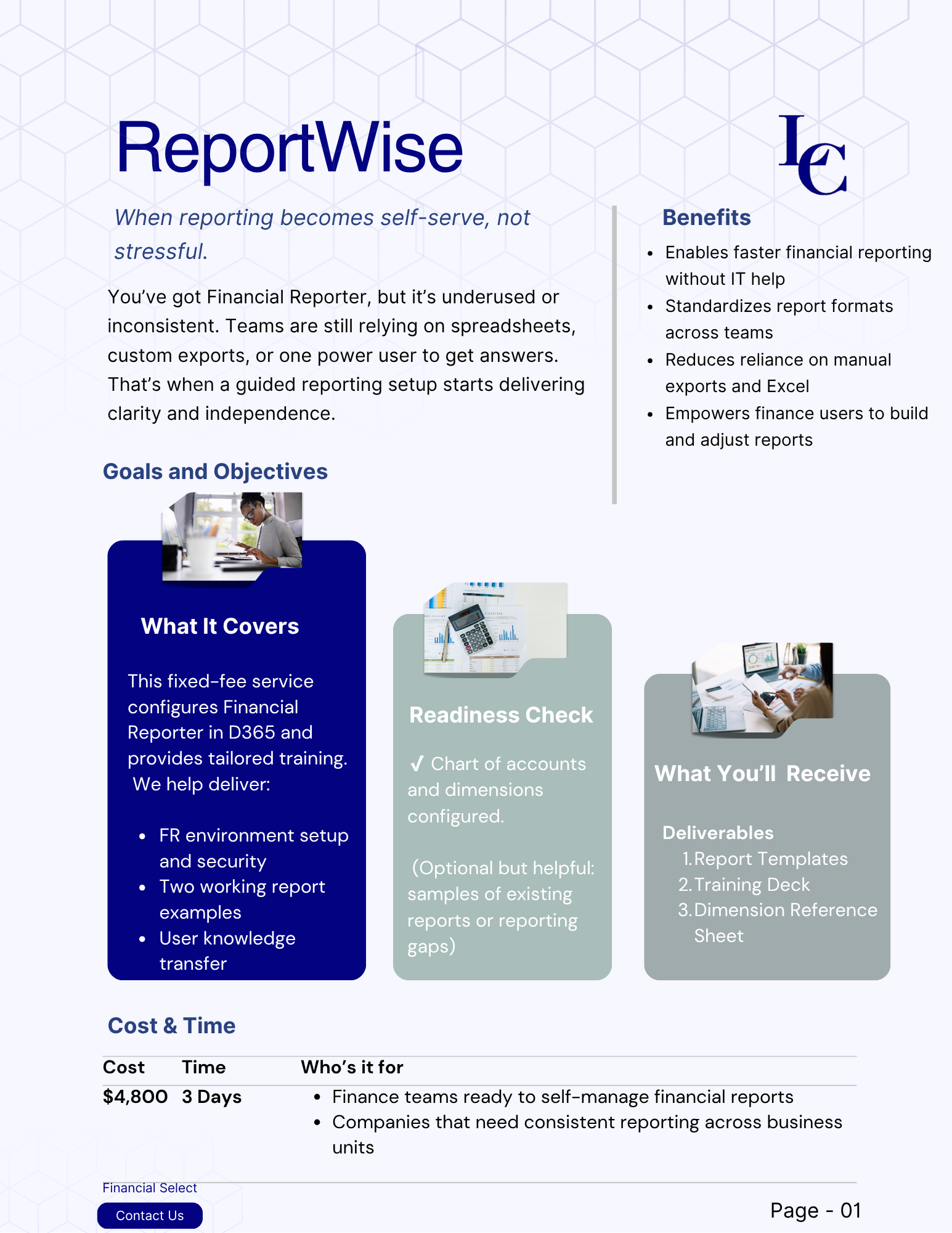
Closing the books can be one of the most time-consuming processes for any finance department. Through automation, D365 Finance helps businesses cut close times significantly.
Features such as automated journal processing, ledger consolidation, and advanced reporting templates allow finance teams to finalize reports quickly while maintaining accuracy and auditability.
5. Delivering Long-Term ROI Through Strategic Transformation
While the immediate ROI of financial automation often shows up in reduced costs and improved efficiency, the long-term value lies in the transformation of the finance function itself.
By shifting from manual processing to strategic analysis, finance teams become key business partners, helping organizations identify opportunities, mitigate risks, and plan for sustainable growth.
Final Thoughts
Financial automation with Microsoft Dynamics 365 Finance isn’t just about doing things faster, it’s about doing them better. The platform enables organizations to reduce costs, improve accuracy, and gain deeper insight into their financial health.
The true ROI lies not only in measurable cost savings but also in the agility and confidence that come from having a modern, intelligent financial system driving business strategy.
Next Steps: