



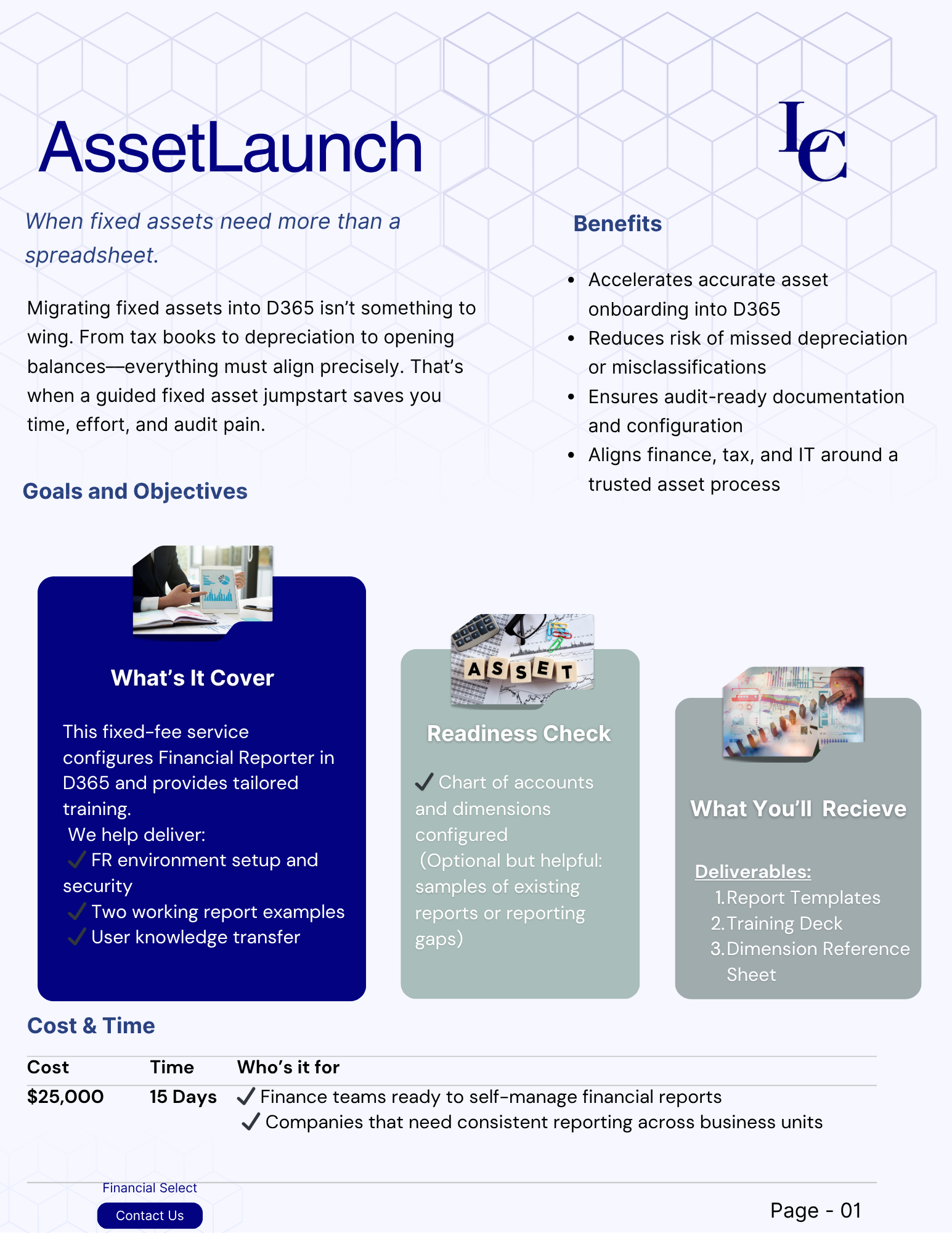
Reviews and corrects ledger-to-subledger alignment in D365 by fixing posting configurations, inventory profiles, reconciliation logic, GL mapping, and critical reporting procedures.
ERP System Upgrades: Why Accurate Subledger Migration Matters
Posted on: August 28, 2025 | By: Alexa Leitner | ERP Selection, QAD Business Process
Upgrading an ERP (Enterprise Resource Planning) system is a strategic move for organizations aiming to modernize operations, improve data integrity, and support evolving business requirements. These upgrades typically involve transitioning to more advanced platforms, integrating new capabilities, and optimizing workflows. However, one of the most critical, and often underrated, success factors is the accurate migration of financial data, especially subledger balances. Subledgers such as Accounts Payable, Accounts Receivable, and Fixed Assets contain granular transactional details that roll up into the general ledger. Ensuring these balances are correctly migrated and reconciled is essential for maintaining financial accuracy and continuity.
The alignment of subledger balances with the trial balance during migration is non-negotiable. The trial balance serves as the backbone of financial reporting and compliance. Any discrepancies between subledgers and the general ledger can result in audit findings, financial misstatements, and operational inefficiencies. Such mismatches may stem from data corruption, incomplete migration, or misconfigured mappings in the new system. To mitigate these risks, implementation teams must employ robust practices for migrating data. This ensures data integrity and instills confidence in the reliability of the upgraded ERP system.
Best Practices for a Smooth ERP Financial Data Conversion
A successful ERP data migration requires careful planning and execution of several foundational practices. One of the most effective strategies is the use of a clearing account during the import process. This temporary account acts as a balancing mechanism to validate the accuracy of financial data being transferred. During migration, subledger entries should be posted to their respective control accounts, with the offset directed to an associated clearing account. When importing the trial balance, subledger balances are loaded into the clearing accounts to offset the earlier postings. If executed correctly, the clearing account should net to zero, confirming that all subledger balances have been accurately reconciled with the trial balance. This method provides a clear audit trail and simplifies post-load validation, making it easier to identify and resolve discrepancies early.
Selecting the right effective date for the conversion is another key decision that impacts clarity and auditability. The recommended approach is to use the last day of the final period in the former system. This timing cleanly separates historical conversion entries from live operational transactions and aligns with the final month-end close in the legacy system. Applying a consistent effective date across all subledgers helps users and auditors distinguish between converted data and live activity, reducing confusion and improving transparency in financial reporting.
Thorough testing of the subledger and trial balance imports is critical to ensuring a smooth and error-free cutover. Testing helps validate that all data fields and mappings are correctly configured, preventing issues during the limited window available for final migration. It’s important to begin testing early and allow for multiple iterations, as this provides time to identify and resolve unexpected issues. Documenting the conversion and load process in detail is equally important, as it enables the team to execute the final cutover efficiently and consistently. A well-documented and tested process not only reduces stress during go-live but also builds confidence across the project team and stakeholders.
Finally, thorough post-load validation is crucial to confirm the success of the data migration. After all balances have been imported into the new ERP system, subledger reports should be generated and compared against the legacy system and the trial balance. This reconciliation process verifies that the data is accurate and that reporting tools are functioning correctly from day one.
Summary: A Strong Foundation for ERP Success
Subledger migration may not be the most visible part of an ERP upgrade, but its impact is far-reaching. Inaccurate subledger data can undermine the integrity of your financials, compromise reporting, and erode trust in the new system. By leveraging best practices—such as using a clearing account, selecting the right effective date, performing rigorous testing, and validating post-load data—organizations can ensure a smooth, compliant, and transparent transition. Getting the details right in subledger migration lays the foundation for long-term ERP success and financial confidence from day one.

Next Steps
If you’re ready to elevate your team’s QAD expertise, we’re here to help. Logan Consulting specializes in QAD training tailored to your organization’s unique needs. Contact us today at info@loganconsulting.com or call (312) 345-8817 to learn more about how we can support your team’s growth and development.