







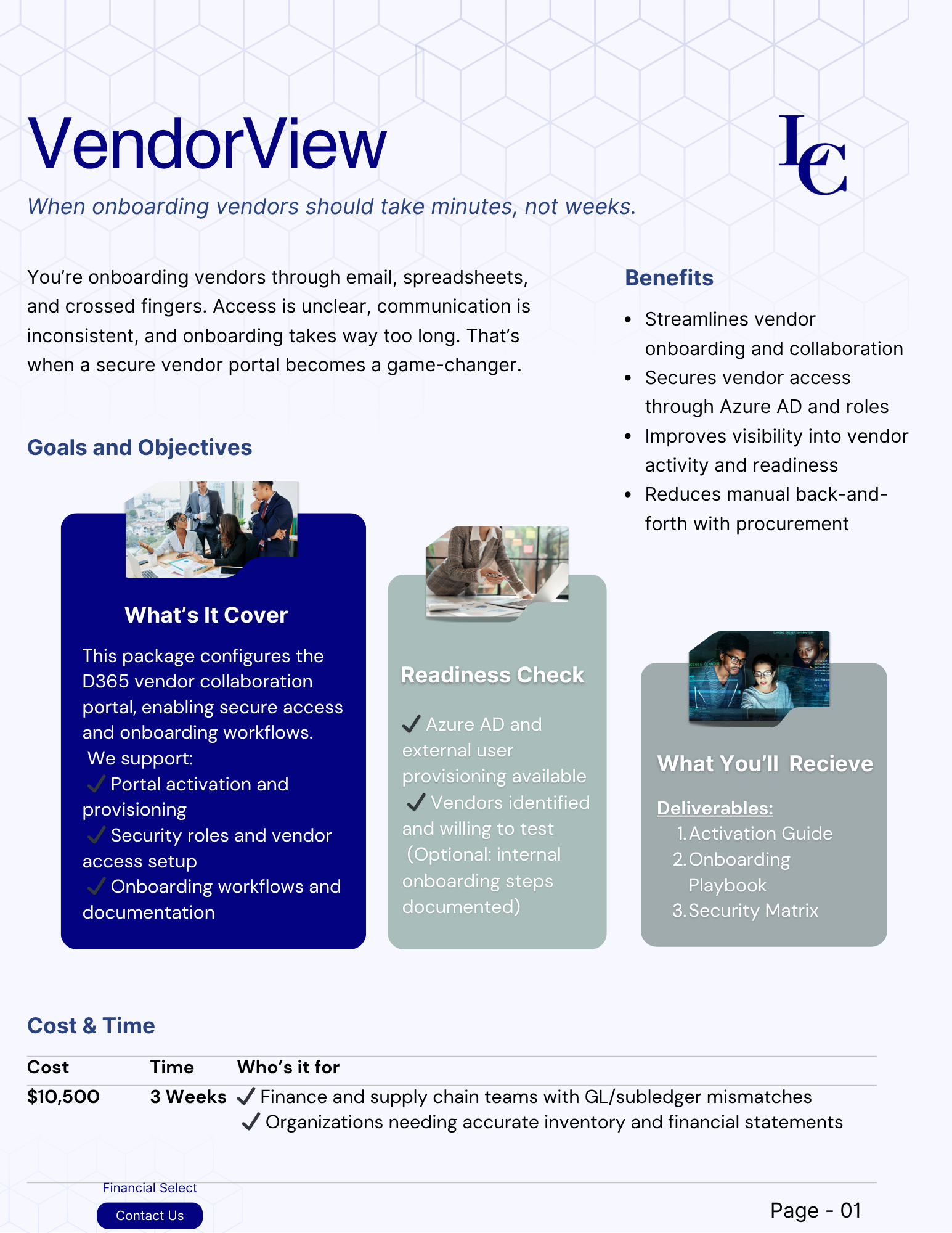


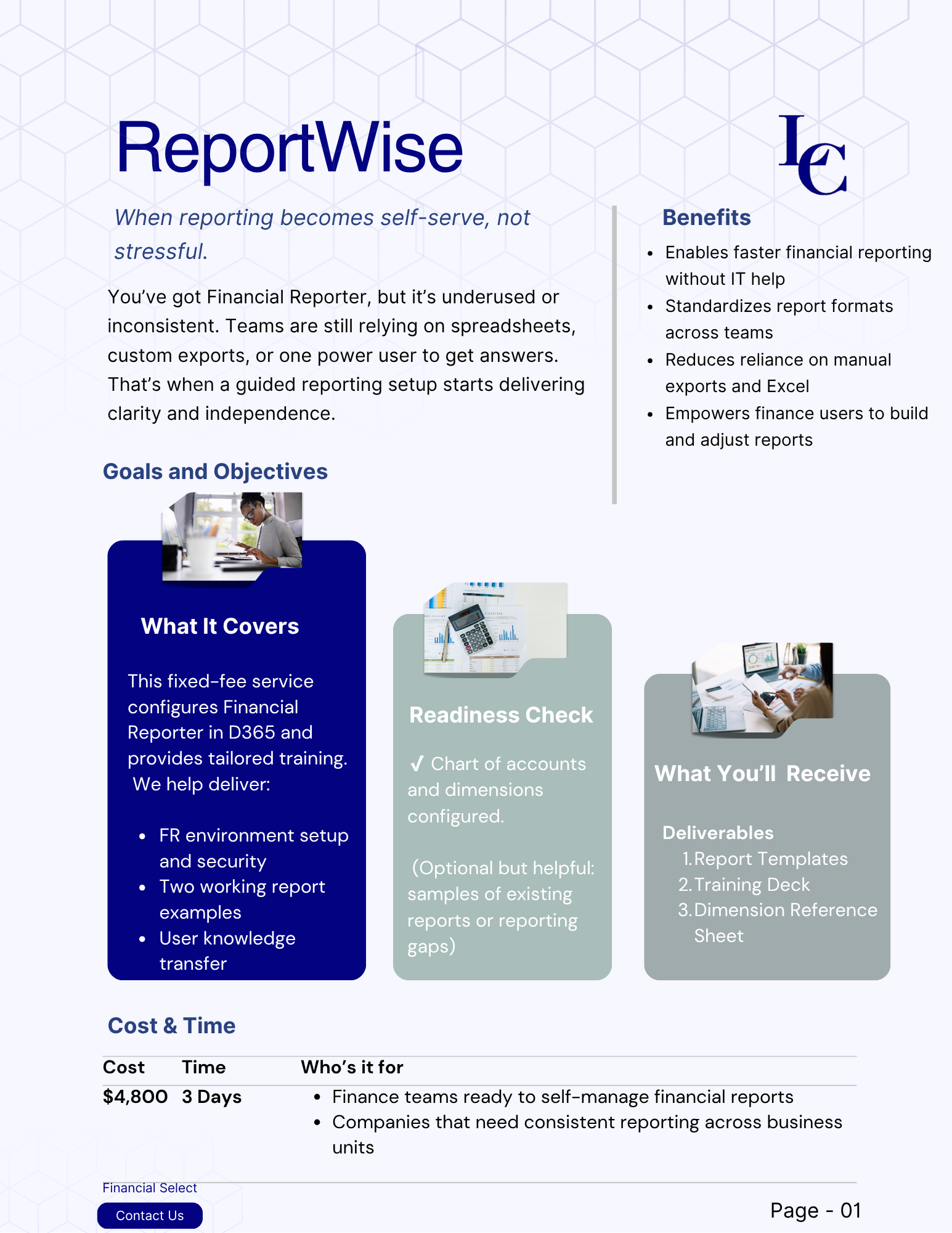
Reviews and corrects ledger-to-subledger alignment in D365 by fixing posting configurations, inventory profiles, reconciliation logic, GL mapping, and critical reporting procedures.
What EDI Integration Means for NetSuite
Posted on: June 10, 2025 | By: Page Wildridge | NetSuite, EDI
As modern businesses seek to improve efficiency and reduce manual processes, integrating Electronic Data Interchange (EDI) with cloud ERP systems like NetSuite has become increasingly important. EDI integration allows companies to automate the exchange of business documents such as purchase orders, invoices, and shipping notices between NetSuite and their trading partners. But what does EDI integration really mean for NetSuite users, and why is it such a game-changer?
Streamlining Business Operations
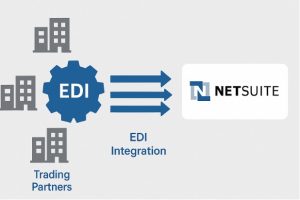
At its core, EDI integration connects NetSuite with external systems to enable seamless communication of standardized documents. Instead of manually entering data into NetSuite from emails or PDFs, EDI integration allows that data to flow automatically between systems in a structured format. This reduces the need for manual data entry, minimizes human error, and ensures faster transaction processing.
For example, when a customer submits a purchase order, an EDI-integrated system can instantly convert that document into a sales order in NetSuite. Likewise, when a shipment is confirmed, the shipping notice and invoice can be automatically transmitted back to the customer’s system. These real-time interactions lead to improved order accuracy and quicker fulfillment.
Enhancing Supplier and Customer Relationships
EDI integration also enhances relationships with trading partners. Many large retailers, logistics providers, and suppliers require EDI compliance as part of their business standards. By integrating EDI with NetSuite, companies demonstrate that they can meet these requirements efficiently and reliably.
With EDI integration, businesses can handle larger transaction volumes and onboard new partners more quickly. This capability helps NetSuite users expand into new markets or meet the needs of high-demand partners without overburdening their internal teams.
Improving Data Visibility and Control
One of the lesser known but powerful benefits of EDI integration with NetSuite is improved data visibility. Integrated EDI solutions often come with dashboards, alerts, and reporting tools that help businesses monitor document flow and identify issues in real time.
This level of transparency enables companies to act on data faster—whether it’s responding to order discrepancy, managing inventory, or resolving an invoicing error. Additionally, audit trails and compliance tracking become more manageable, which is especially important in regulated industries.
Supporting Scalability and Growth
As companies grow, so do their data volumes and complexity. Manual processes become increasingly unsustainable. EDI integration with NetSuite supports scalability by automating key processes and reducing the need for human intervention.
Whether you’re processing hundreds or thousands of transactions a day, EDI can scale with your business. Many EDI platforms also support integration with other systems such as shipping software, 3PLs, and marketplaces, giving NetSuite users a centralized and efficient workflow.
Next Steps
EDI integration transforms NetSuite from a standalone ERP system into a fully connected hub for business communication. It reduces manual effort, improves accuracy, enhances partner relationships, and sets the foundation for scalable growth. For NetSuite users aiming to compete in a fast-moving digital economy, EDI isn’t just a technical upgrade—it’s a strategic enabler.
By investing in the right EDI integration, businesses can unlock the full power of NetSuite while future-proofing their operations for tomorrow’s challenges.
Logan Consulting can help guide you through an EDI solution selection process, contact us at EDIInfo@loganconsulting.com for more information on how.